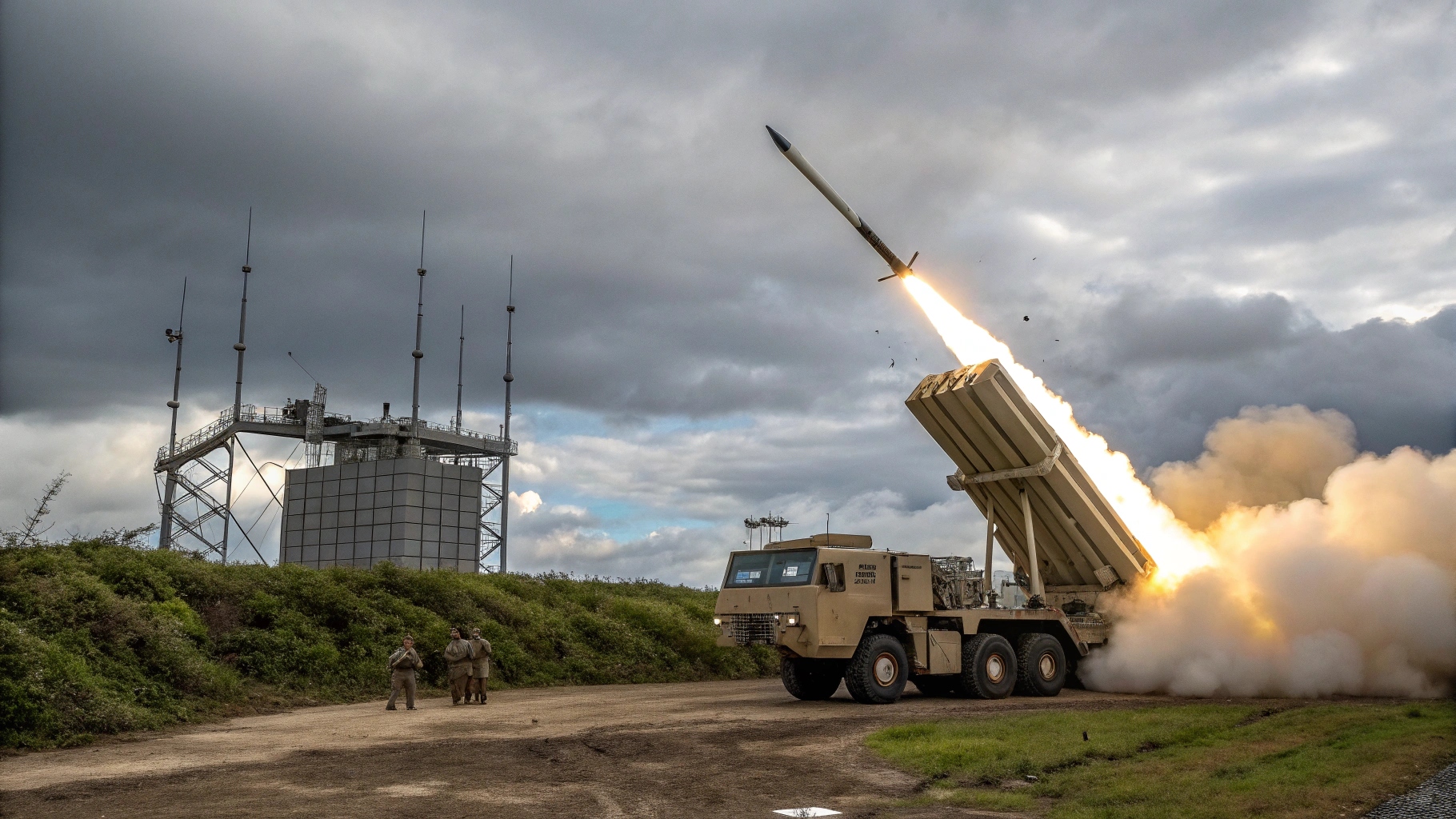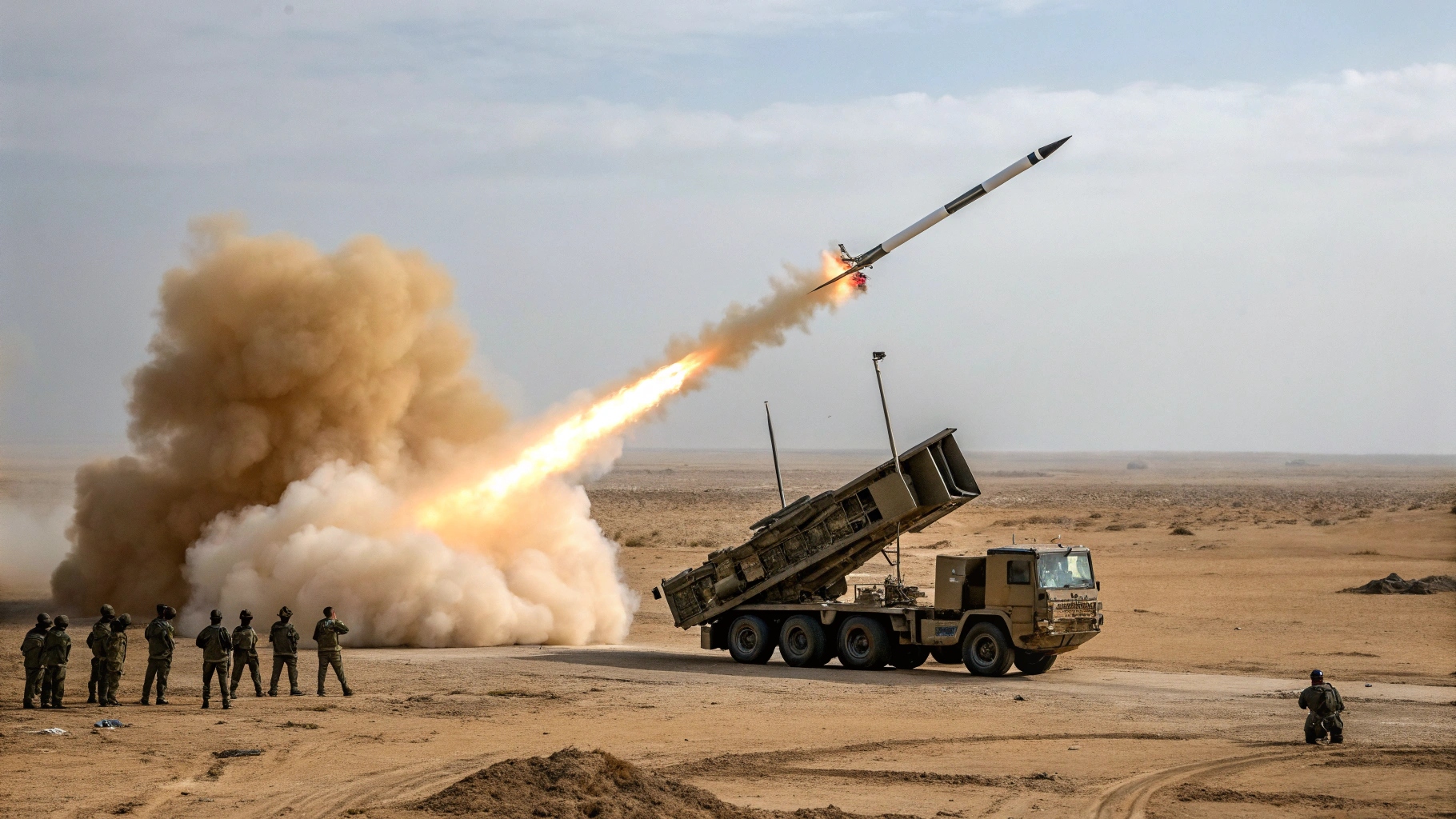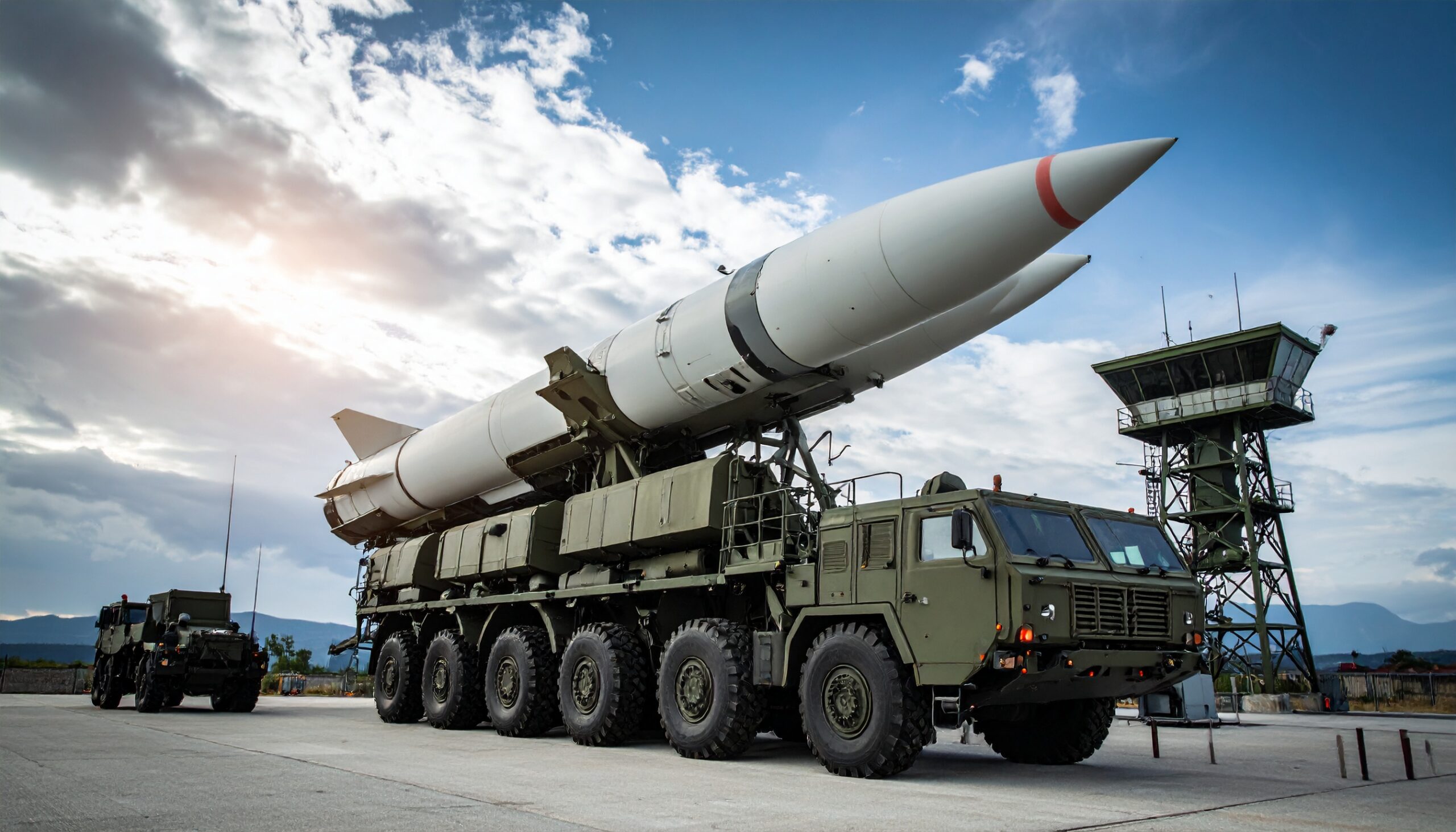
Lockheed Martin has reached a major production milestone with the delivery of its 750th High Mobility Artillery Rocket System (HIMARS) launcher, reflecting the system’s growing role in US and allied defense strategies worldwide. Initially introduced in 2005, HIMARS is a long-range, precision artillery platform designed for rapid deployment and minimal crew operation, making it a cornerstone of modern battlefield mobility and firepower.
Production at Lockheed Martin’s Camden, Arkansas facility has seen significant growth, doubling output from 48 to 96 launchers per year. The increase was driven by $2.9 billion in US Army contracts, enabling major upgrades to the factory, including new tooling, added assembly workstations, and strengthened supply chains. The site relies on a nationwide network of suppliers, many of them small businesses, to maintain a steady flow of precision components and ensure production meets escalating global demand.
The HIMARS launcher has been at the core of the US Army’s long-range precision fires initiative, evolving to support next-generation munitions like the Precision Strike Missile (PrSM) and Extended Range Guided Multiple Launch Rocket System (ER GMLRS). Over the past two decades, HIMARS has proven itself in numerous combat and deterrence operations, becoming a critical asset for NATO and Indo-Pacific partners.
The system’s global reach continues to expand, with 14 partner nations now fielding HIMARS. Estonia received six units in 2025 to reinforce NATO’s eastern defenses, while Italy has purchased 21 systems to enhance long-range strike capabilities. In the Indo-Pacific, Australia integrated HIMARS into Exercise Talisman Sabre 2025, marking its first live-fire deployment, and Taiwan conducted its own HIMARS test firings the same year, alongside plans to establish a dedicated HIMARS battalion. With its modular design, HIMARS supports rapid integration of new munitions, providing unmatched flexibility for evolving mission needs.