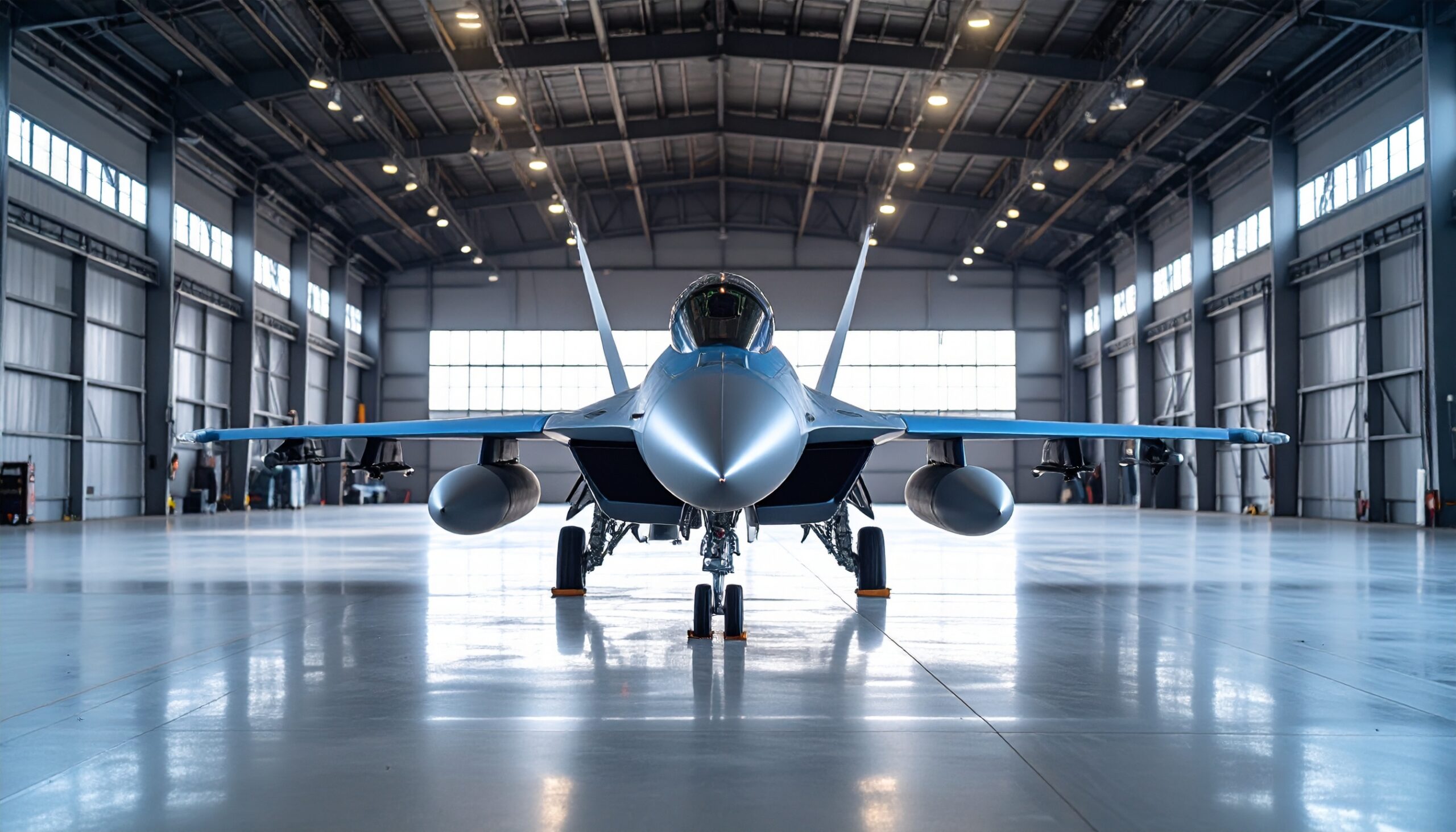
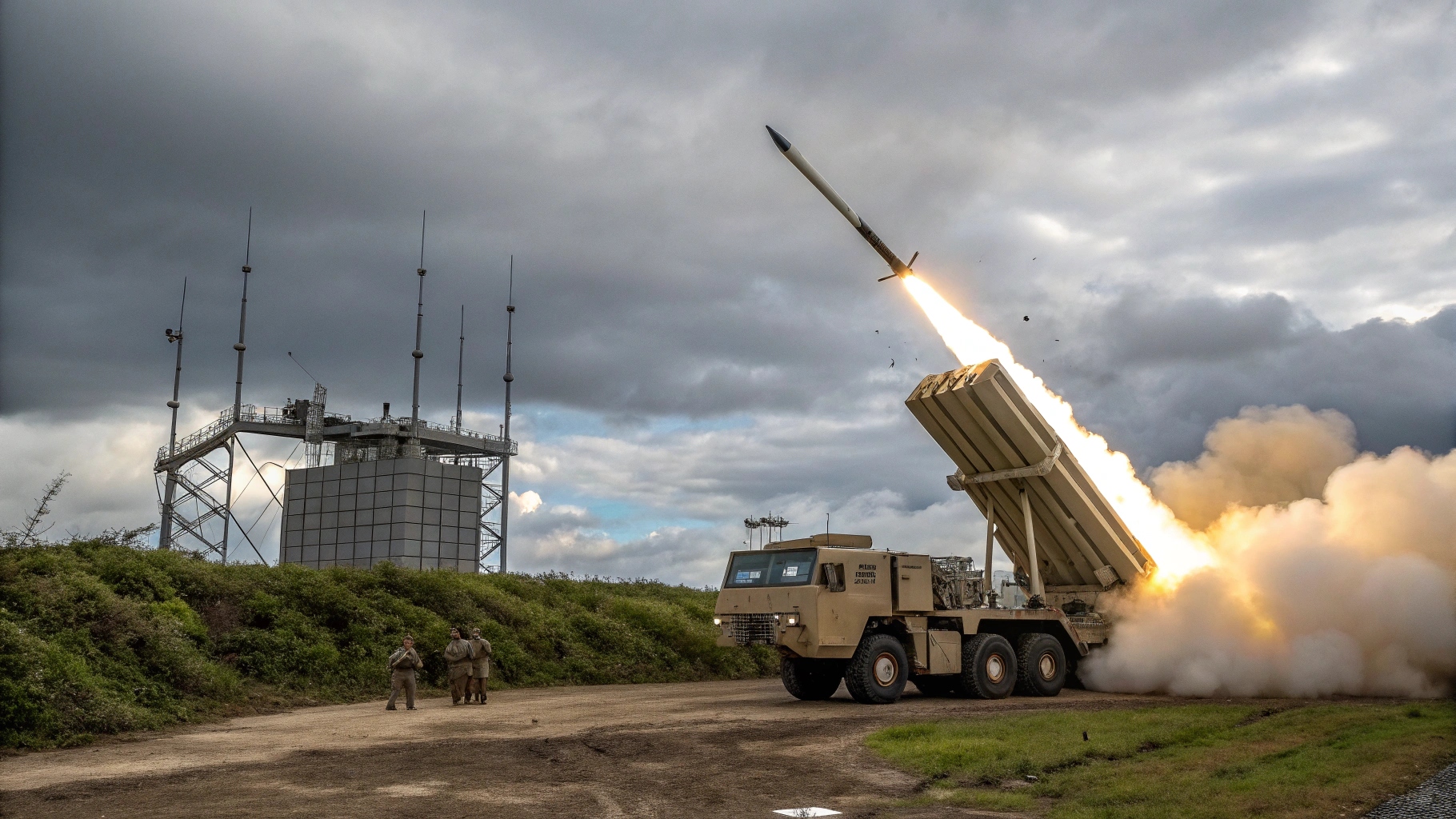
The U.S. Marine Corps has successfully conducted a low-altitude live-fire test of the Red Wolf launched-effects weapon from an AH-1Z Viper attack helicopter, L3Harris Technologies announced. The trial, carried out over the Atlantic Test Range, demonstrates the Marine Corps’ growing emphasis on long-range, networked, and cost-effective strike weapons designed to complement traditional cruise missiles. The test highlights how attack helicopters can deliver stand-off maritime strike capabilities while operating below enemy radar coverage.
According to L3Harris, the test was conducted as part of the Marine Corps’ Long Range Attack Missile (LRAM) initiative, with Red Wolf engaging a maritime target at extended range. Beyond the successful weapon launch, the demonstration showed Red Wolf functioning as an active node within a targeting network rather than a standalone munition. This aligns with the Pentagon’s broader pursuit of “affordable mass,” enabling large numbers of interconnected precision weapons to overwhelm adversary defenses while reducing reliance on expensive, limited-inventory missiles in high-intensity conflict scenarios.
Red Wolf is the kinetic strike variant within L3Harris’ “wolf pack” family of launched-effects vehicles, which also includes the Green Wolf electronic warfare platform. Designed for air, land, and maritime launch, the wolf pack concept enables cooperative sensing, jamming, deception, and strike missions. Red Wolf features fold-out aerodynamic surfaces, a cruise engine for sustained flight, and a modular payload architecture supporting multiple guidance options, including GPS, infrared, and radio-frequency seekers. With a reported range exceeding 200 nautical miles, the system supports in-flight retargeting, machine-to-machine coordination, and potential recovery for reuse, offering a flexible and economical solution for distributed maritime and joint-force operations.