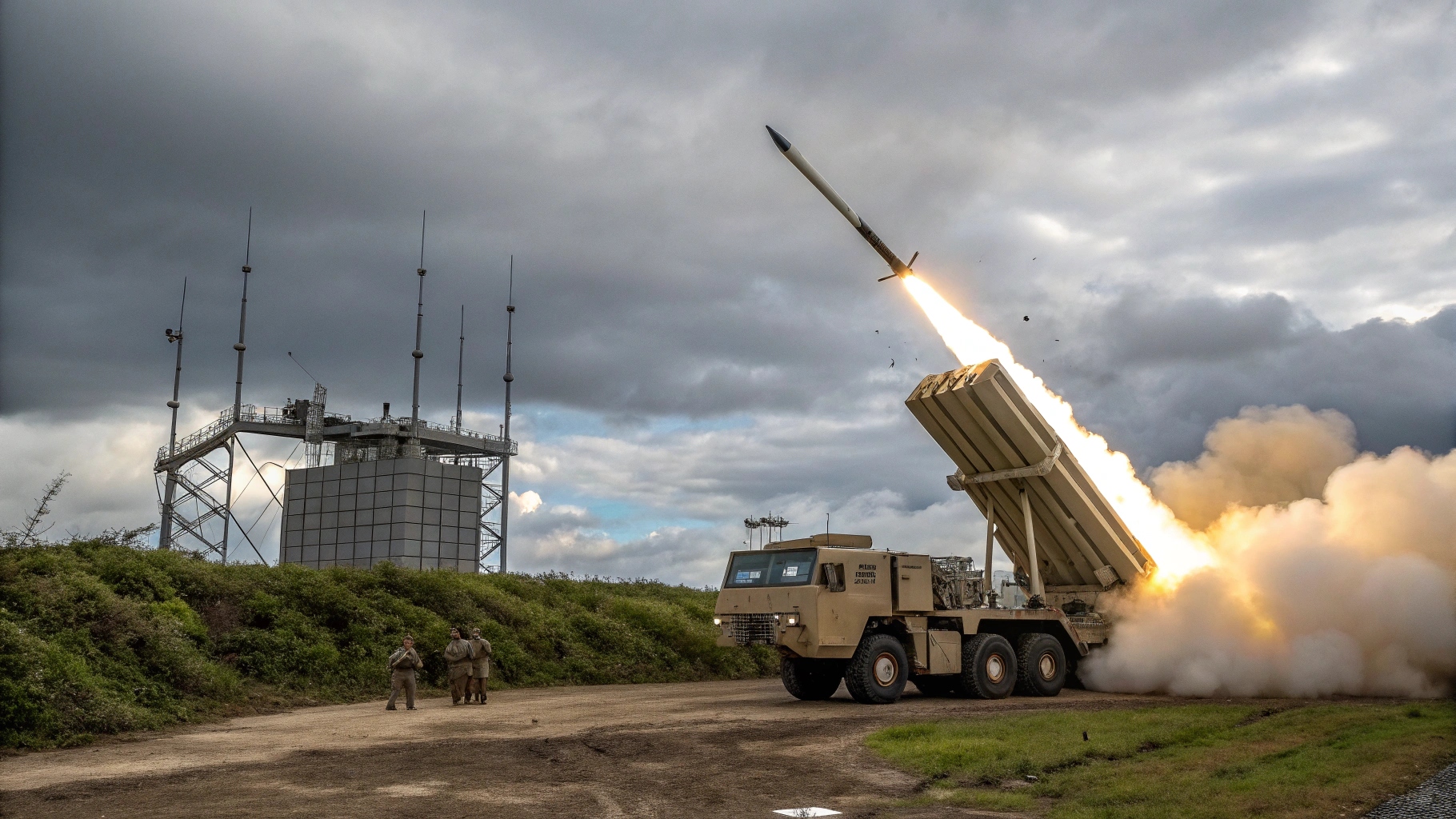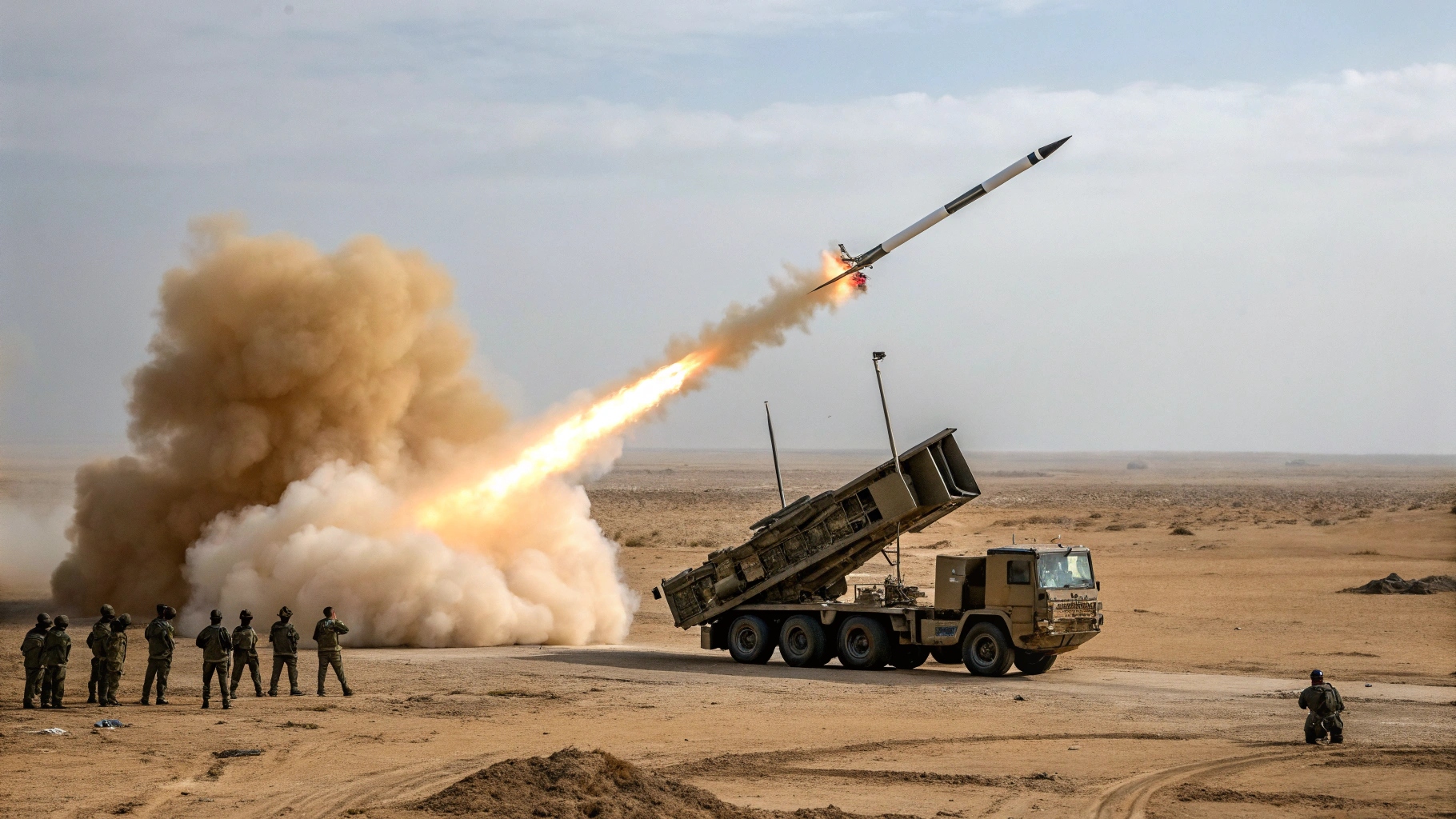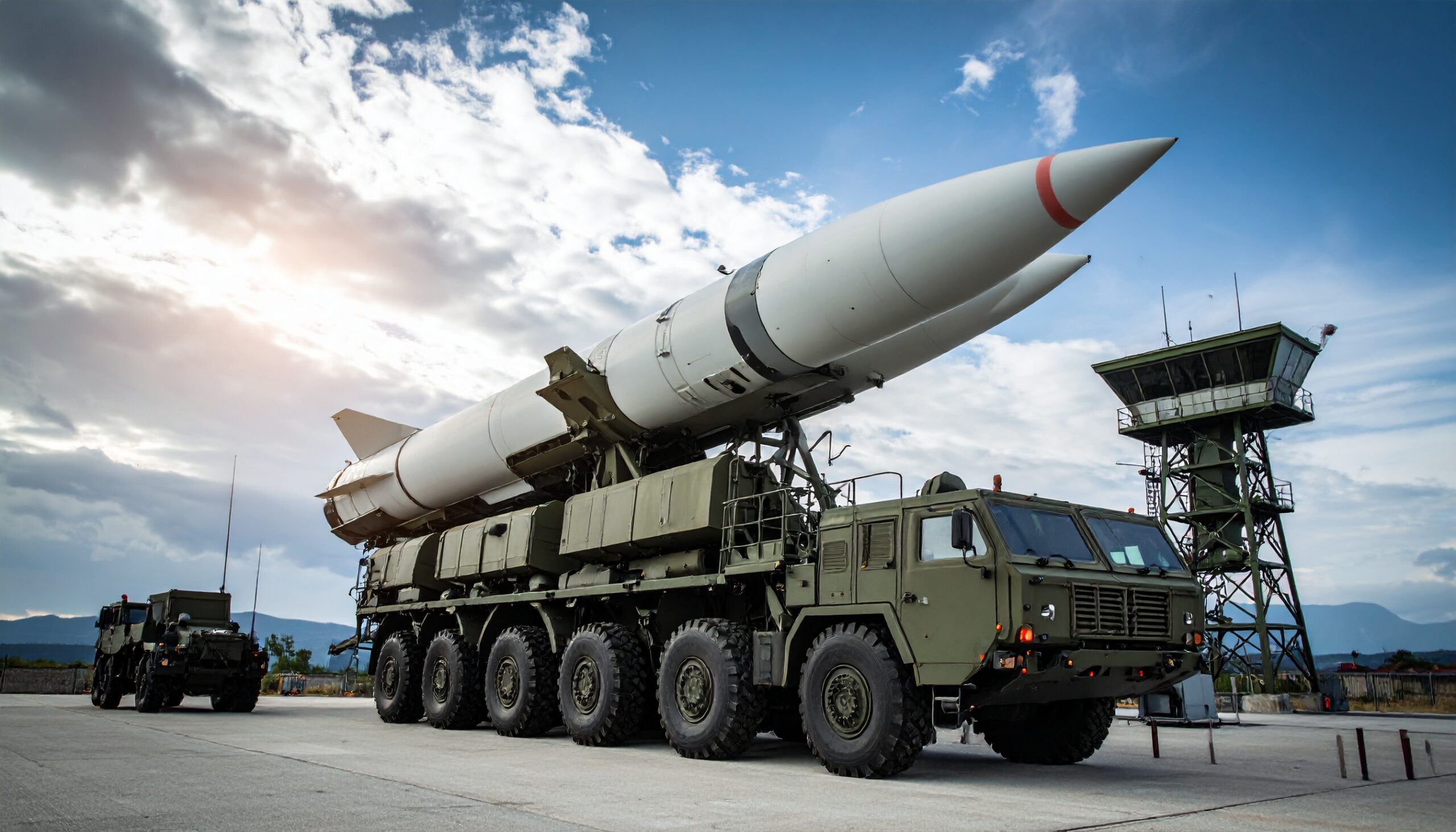
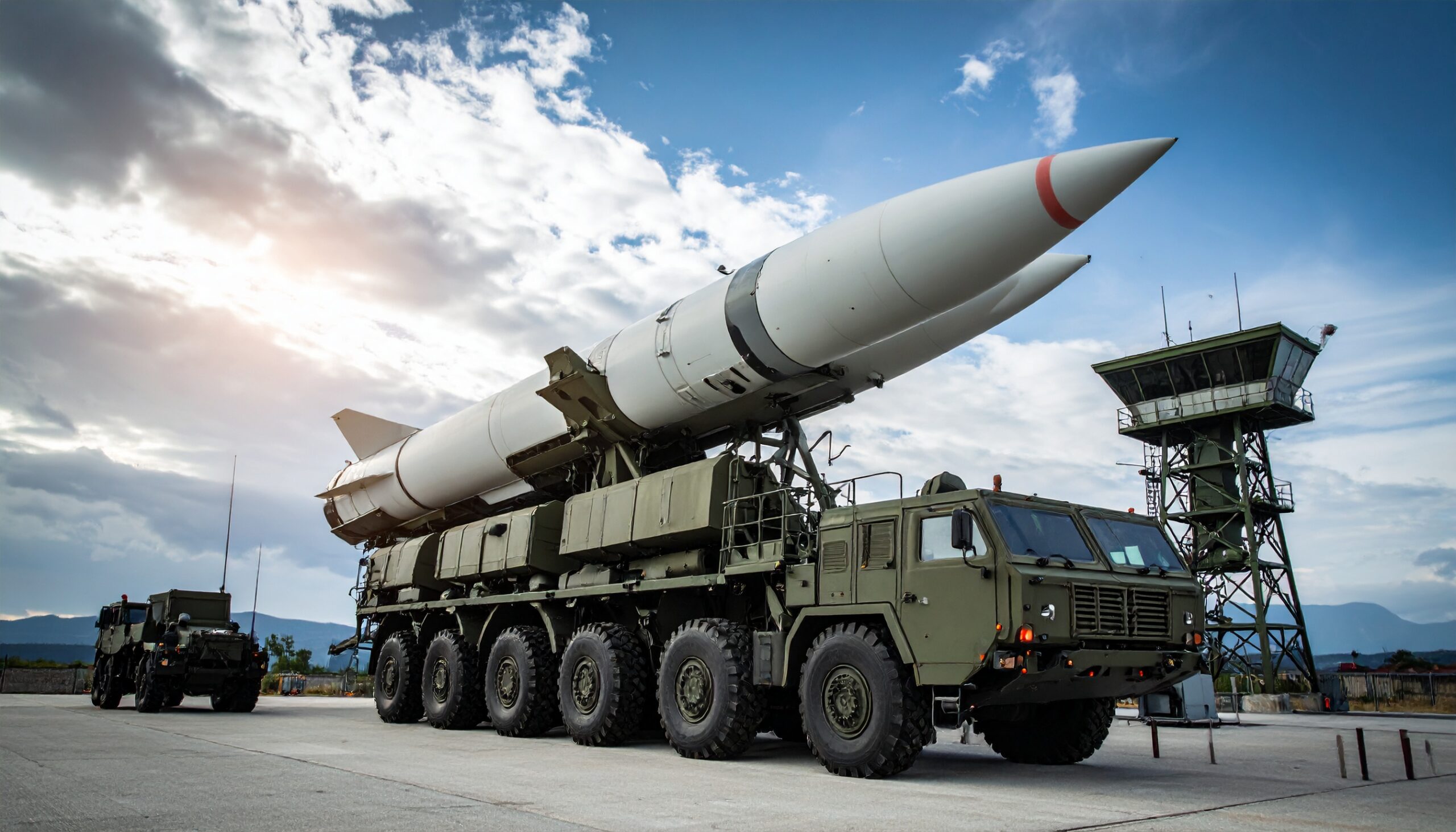
Russia has confirmed the combat use of its new Oreshnik intermediate-range ballistic missile (IRBM) in a strike against the Ukrainian city of Lviv, marking only the second known operational employment of the system. While the immediate battlefield damage was limited, Western defense analysts assess the launch as a strategic signal rather than a tactical strike, aimed squarely at NATO and the United States.
The Russian Ministry of Defense publicly acknowledged the missile launch a day after the attack, reinforcing concerns among U.S. and European officials that Moscow is deliberately showcasing a weapon designed to threaten targets well beyond Ukraine. With an estimated range exceeding 5,500 kilometers and sustained speeds above Mach 10, the Oreshnik is widely viewed as a repurposed evolution of the RS-26 Rubezh program, rapidly fielded to expand Russia’s hypersonic strike portfolio.
Analysts note that the missile’s architecture enables it to reach major European capitals such as Paris or Berlin in under 20 minutes, while forward-deployed or Arctic launch positions could theoretically place parts of the continental United States within range. Although the Lviv strike reportedly used a conventional payload, the system is assessed to be capable of carrying multiple warhead configurations, including nuclear MIRVs, significantly raising its strategic implications.
The missile’s lethality stems not only from speed but from its ability to overwhelm missile defenses. The Oreshnik is believed to deploy up to six maneuverable reentry vehicles, each capable of releasing multiple submunitions, saturating radar and interceptor systems simultaneously. Its depressed flight path and maneuvering profile further compress warning times for NATO early-warning networks, particularly across Central and Western Europe.