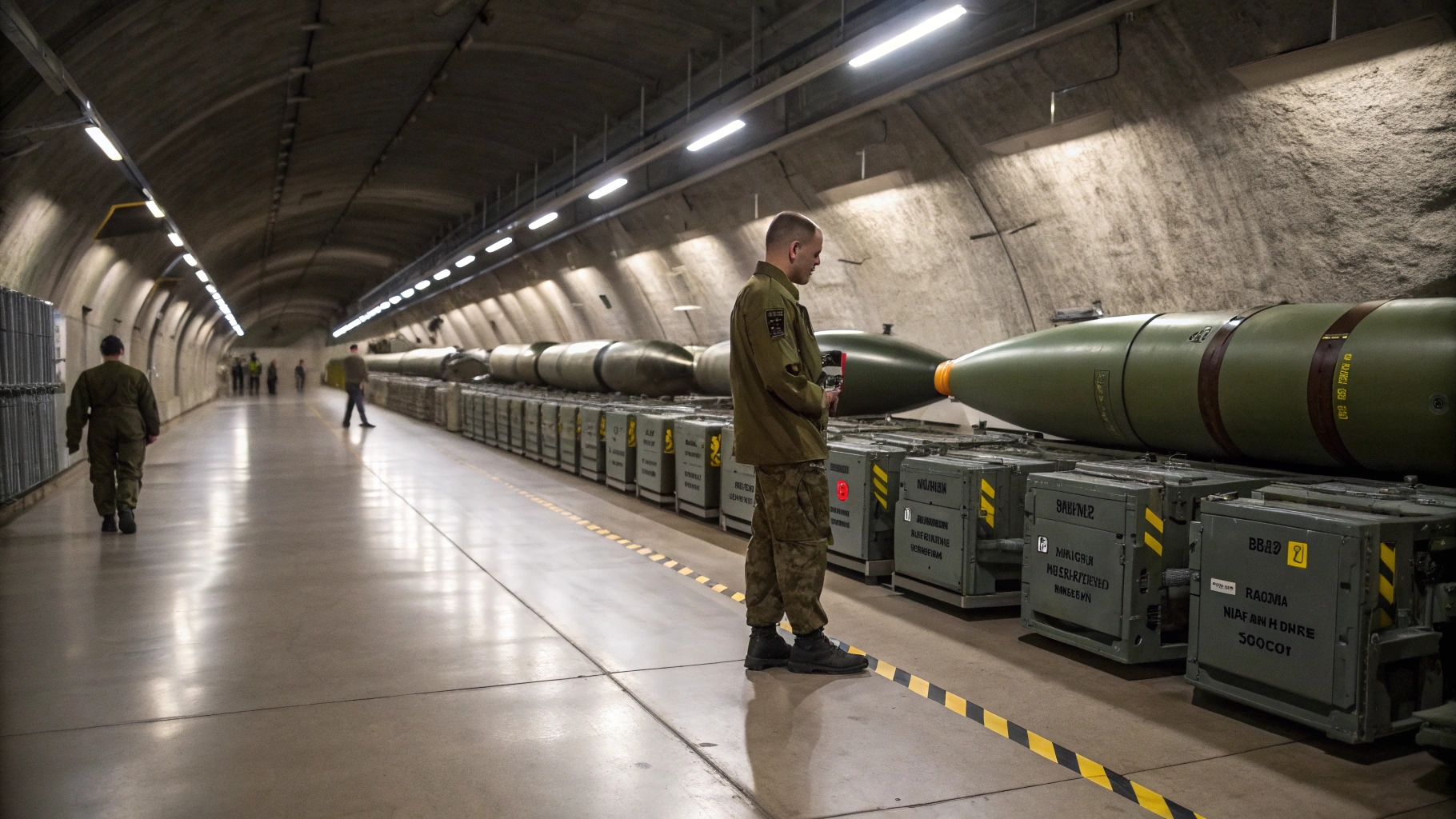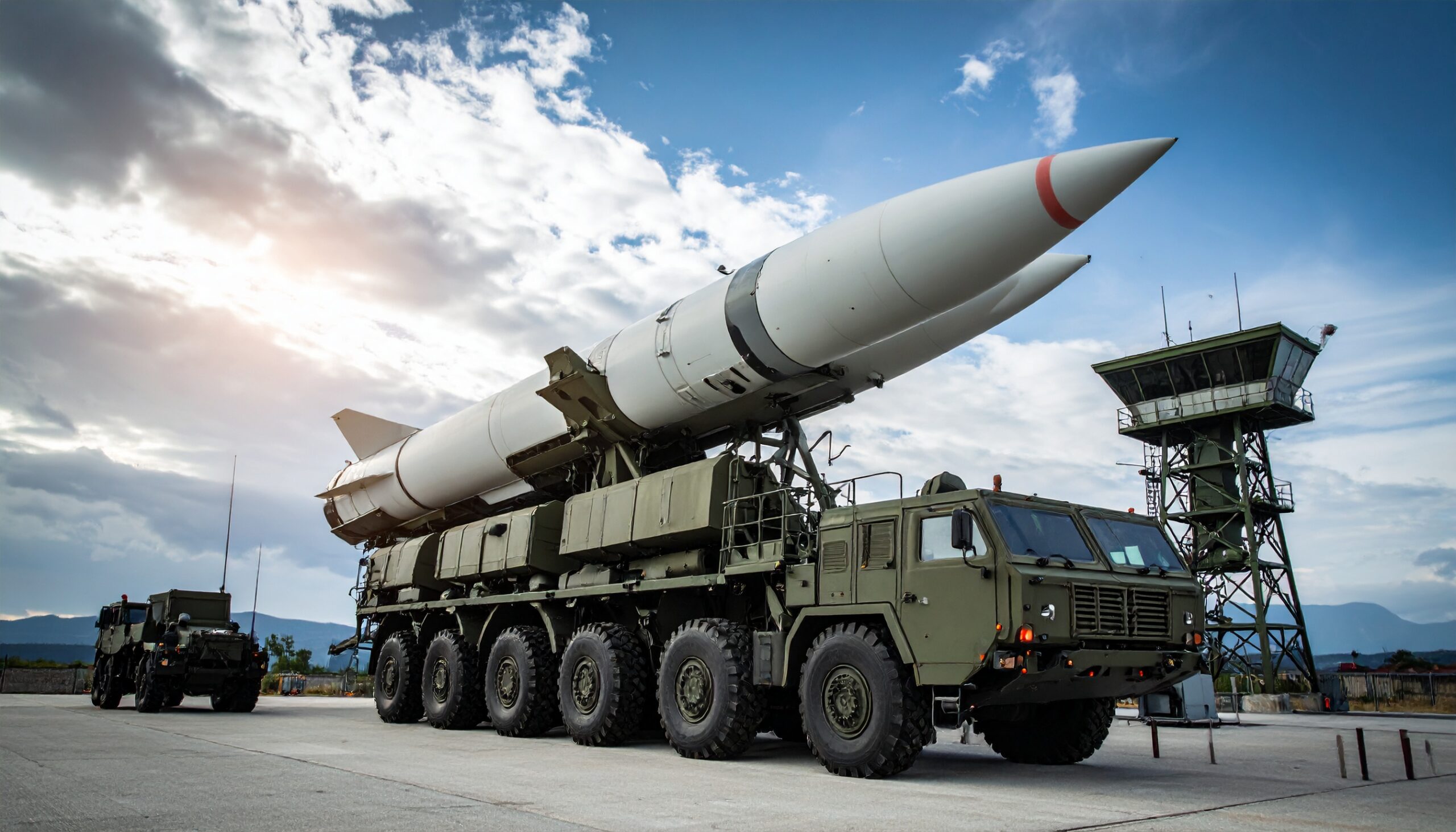
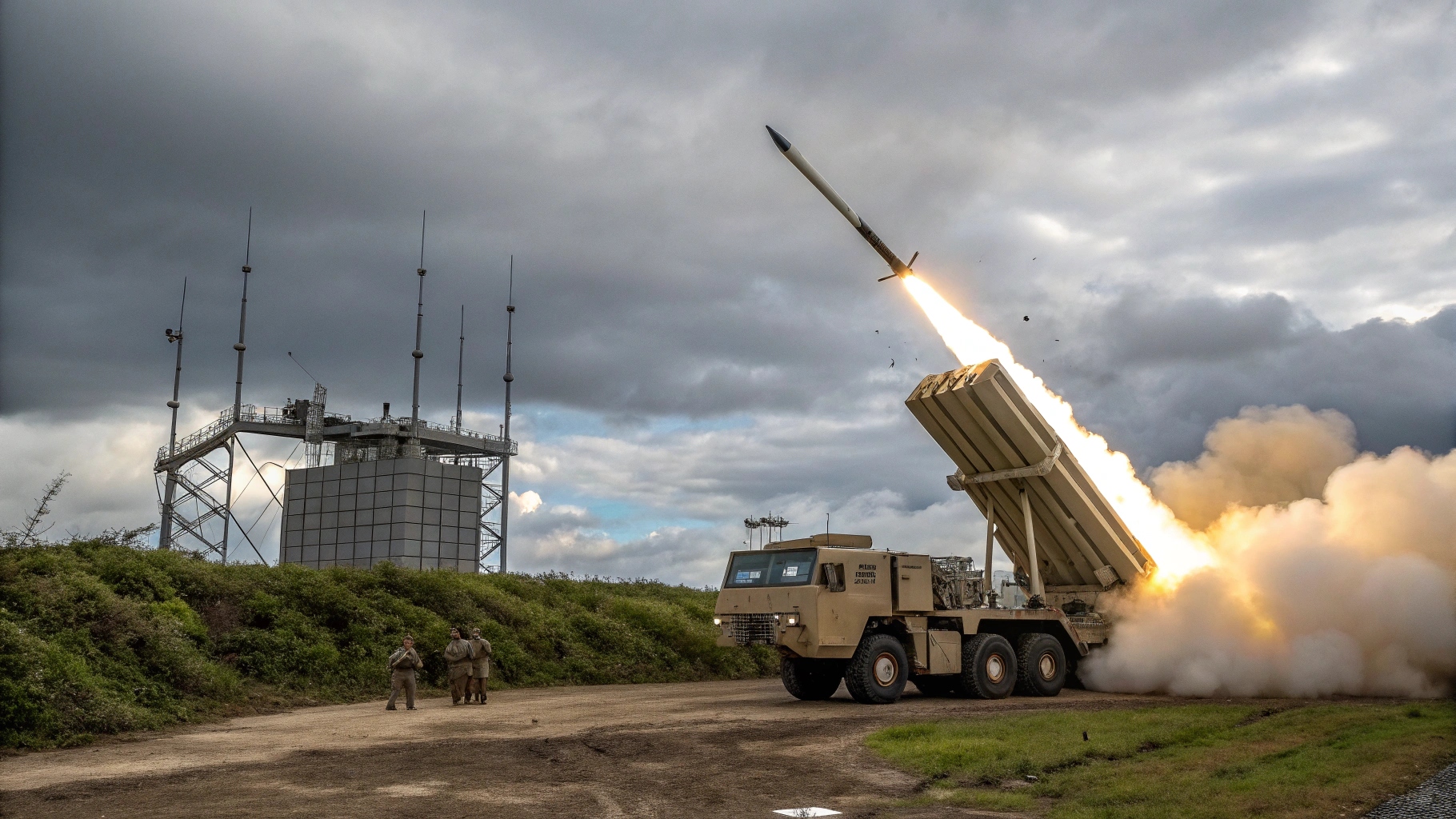
The U.S. Navy has awarded Northrop Grumman a $94.3 million contract to develop a new 21-inch second-stage solid rocket motor intended to extend the performance of the Standard Missile-6 (SM-6) family. The contract highlights the Navy’s near-term approach to countering advanced air, surface, and hypersonic threats by enhancing propulsion systems rather than pursuing a completely new interceptor design.
Northrop Grumman confirmed the award, noting that the effort focuses on the design, qualification, and initial production of a full-diameter second-stage rocket motor optimized for extended-range missile applications. By targeting propulsion as a key performance driver, the Navy aims to increase missile reach, speed, and terminal energy while leveraging existing launch systems and operational concepts. This approach reflects a broader trend toward rapid capability upgrades within established weapons architectures.
The contract includes low-rate initial production of 60 rocket motors, with manufacturing and testing centered at Northrop Grumman’s Propulsion Innovation Center in Elkton, Maryland. The production quantity indicates a full qualification pathway rather than a limited technology demonstration, supporting extensive static firing tests, environmental evaluations, and early flight integration. These steps are essential for transitioning the motor from development into an operational supply chain.
Technically, the shift to a 21-inch diameter second stage represents a significant performance leap. Compared to the smaller sustainers used in current SM-6 variants, the larger motor offers substantially greater propellant volume and optimized grain geometry, resulting in higher total impulse and improved energy retention during the missile’s terminal phase. This enhancement is widely viewed as a key enabler for the SM-6 Block IB, the Navy’s planned extended-range evolution designed to counter increasingly fast and maneuverable threats while remaining compatible with the Mk 41 Vertical Launch System.