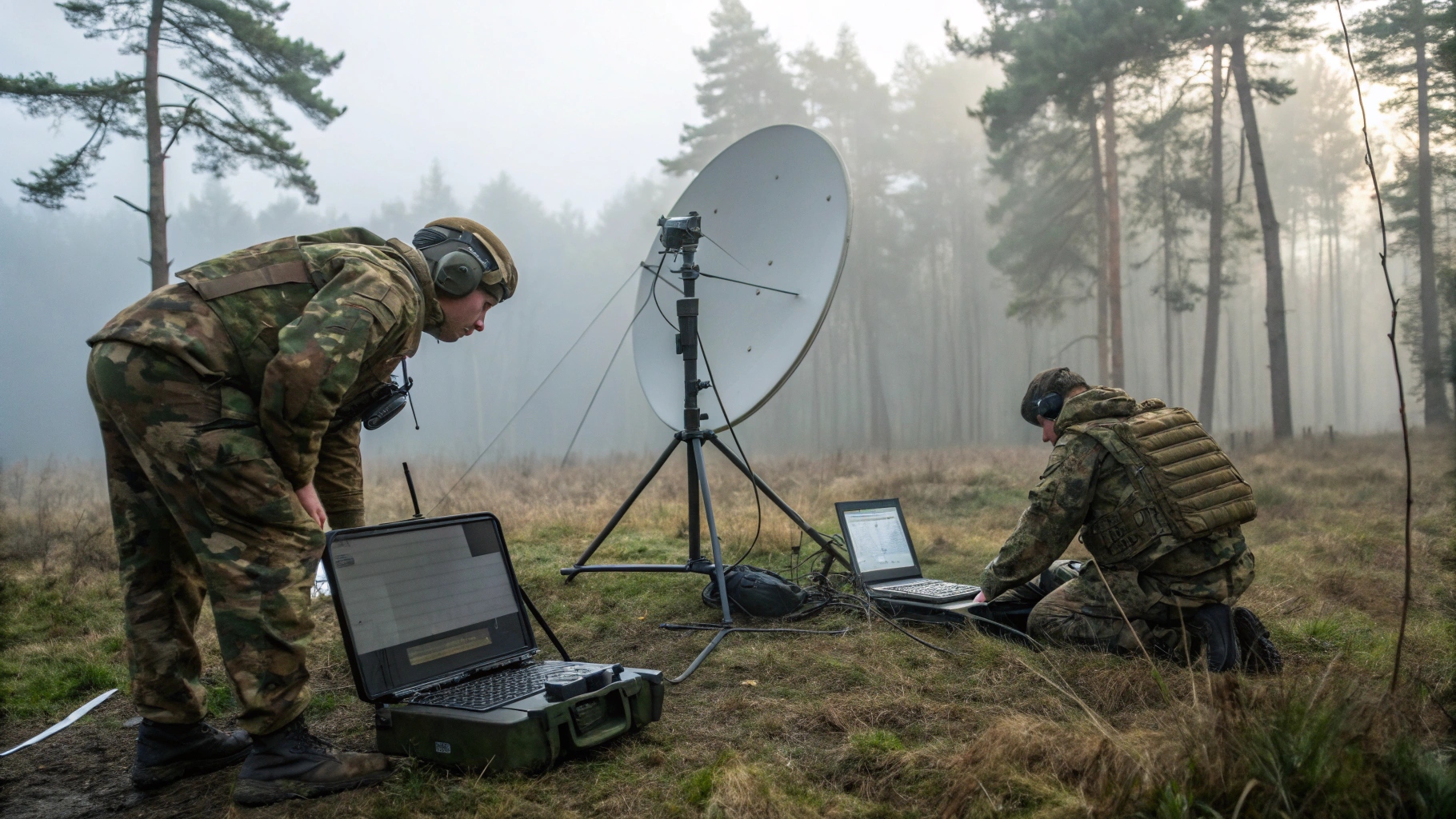
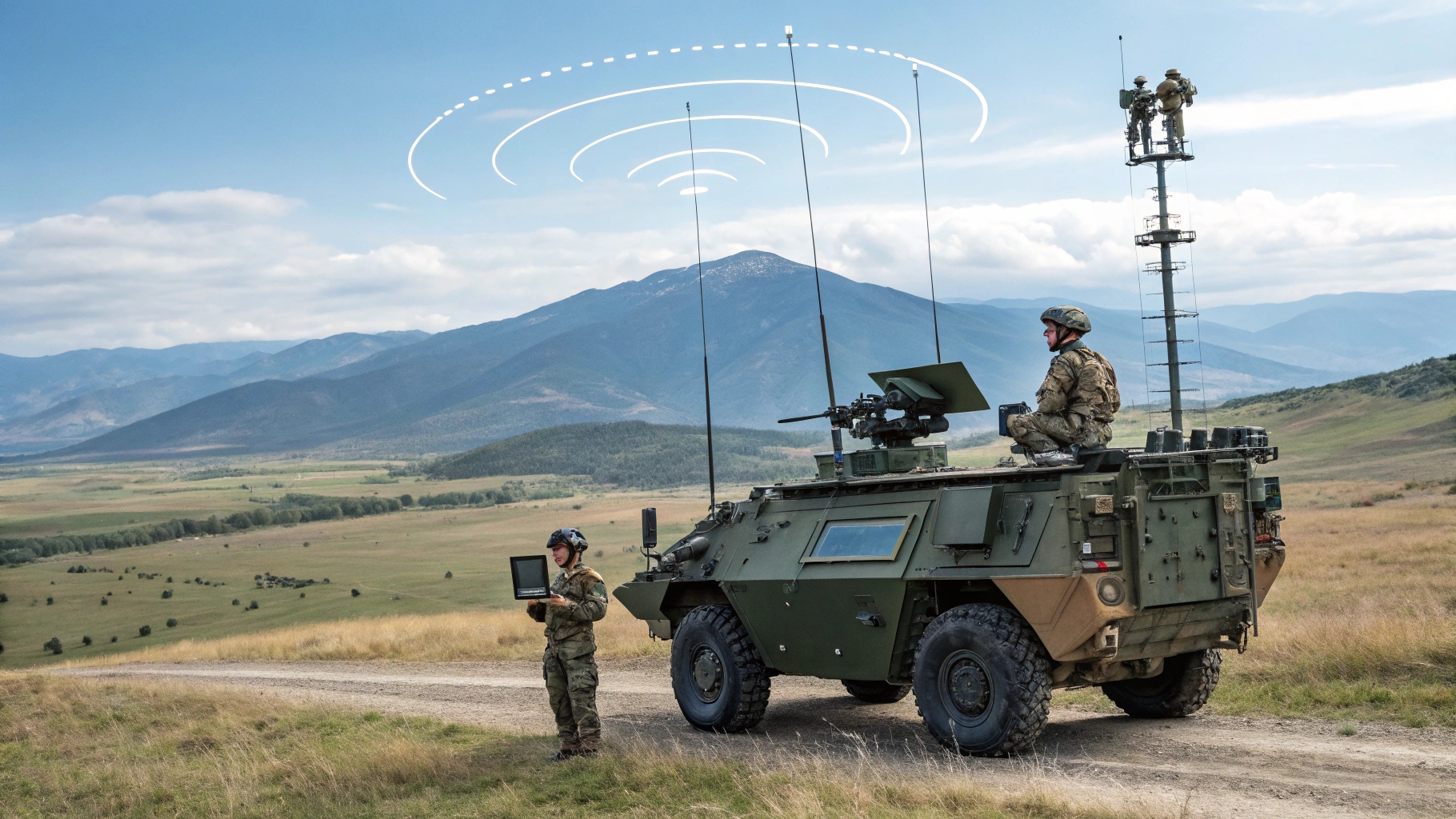
Finland’s Patria has reached an agreement to supply its MUSCL passive radar system to an unidentified European NATO member. The system will be used to detect and track aircraft and drones, with the package including several sensor stations intended to provide surveillance coverage across designated areas. The agreement also includes spare parts, technical support and training, allowing the customer to bring the capability into service quickly and develop operational expertise. Patria has not disclosed the identity of the NATO customer, contract value or delivery schedule. MUSCL Passive Radar SystemPatria MUSCL is a transportable passive radar designed to detect and track airborne targets in real time. Unlike conventional active radar, it does not transmit its own detectable radar signal. Instead, the system uses existing broadcast transmissions as illuminators of opportunity to identify and track targets. This passive operating principle provides a low-observable surveillance capability that can be particularly useful against low-altitude and stealth-related threats. Its covert characteristics also make it suitable for deployment in populated or urban environments where conventional radar emissions could present operational disadvantages. Multiple MUSCL stations can work independently or be connected into a larger network. When networked, the system can provide 360-degree aerial surveillance with detection ranges extending to hundreds of kilometres, depending on conditions and configuration. The system can be installed in either transportable or fixed configurations and can connect with existing command-and-control architectures. Patria positions MUSCL as a cost-effective solution for both area and point surveillance, with applications including airspace monitoring, drone detection, protection of critical infrastructure and border surveillance.