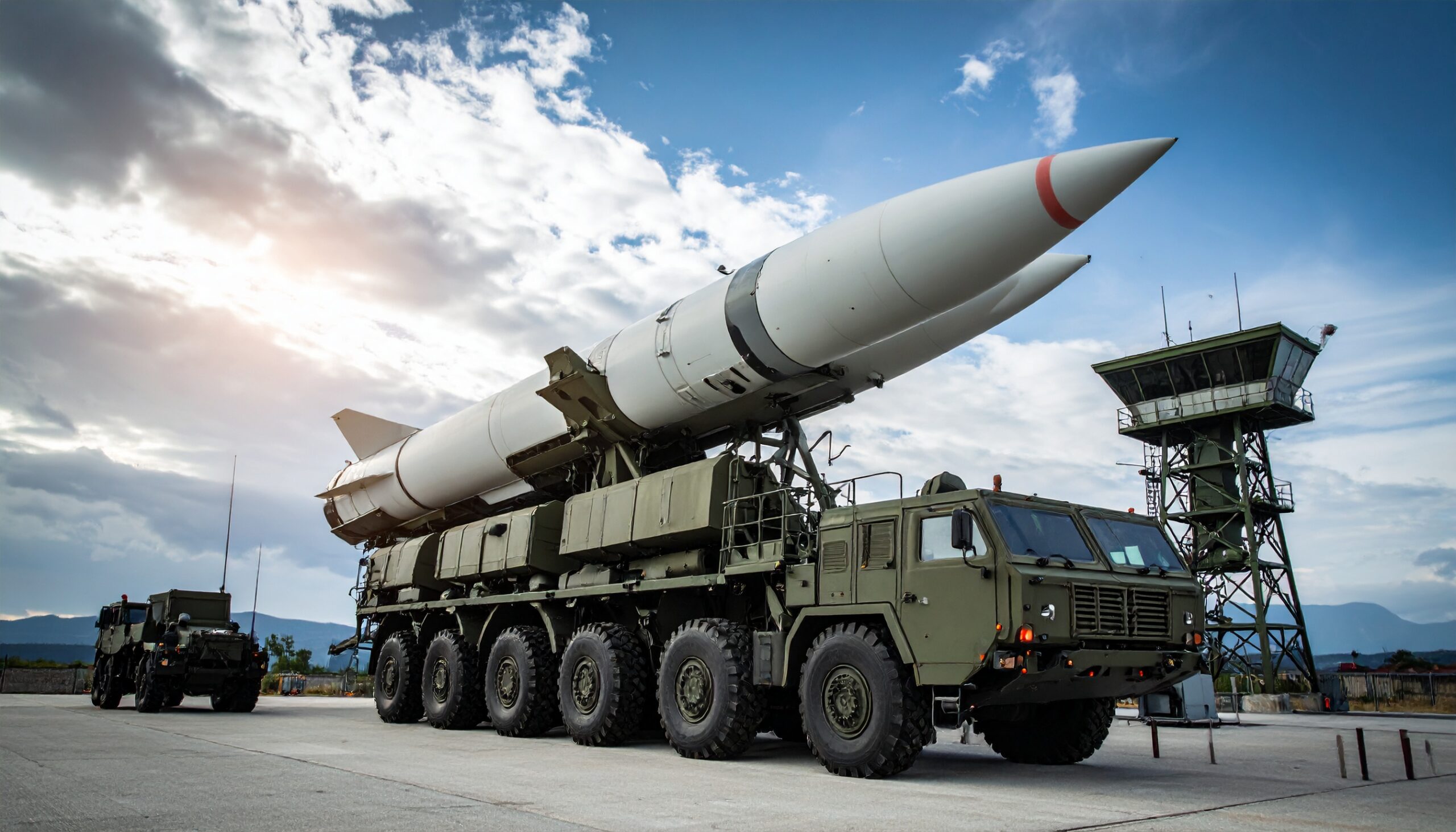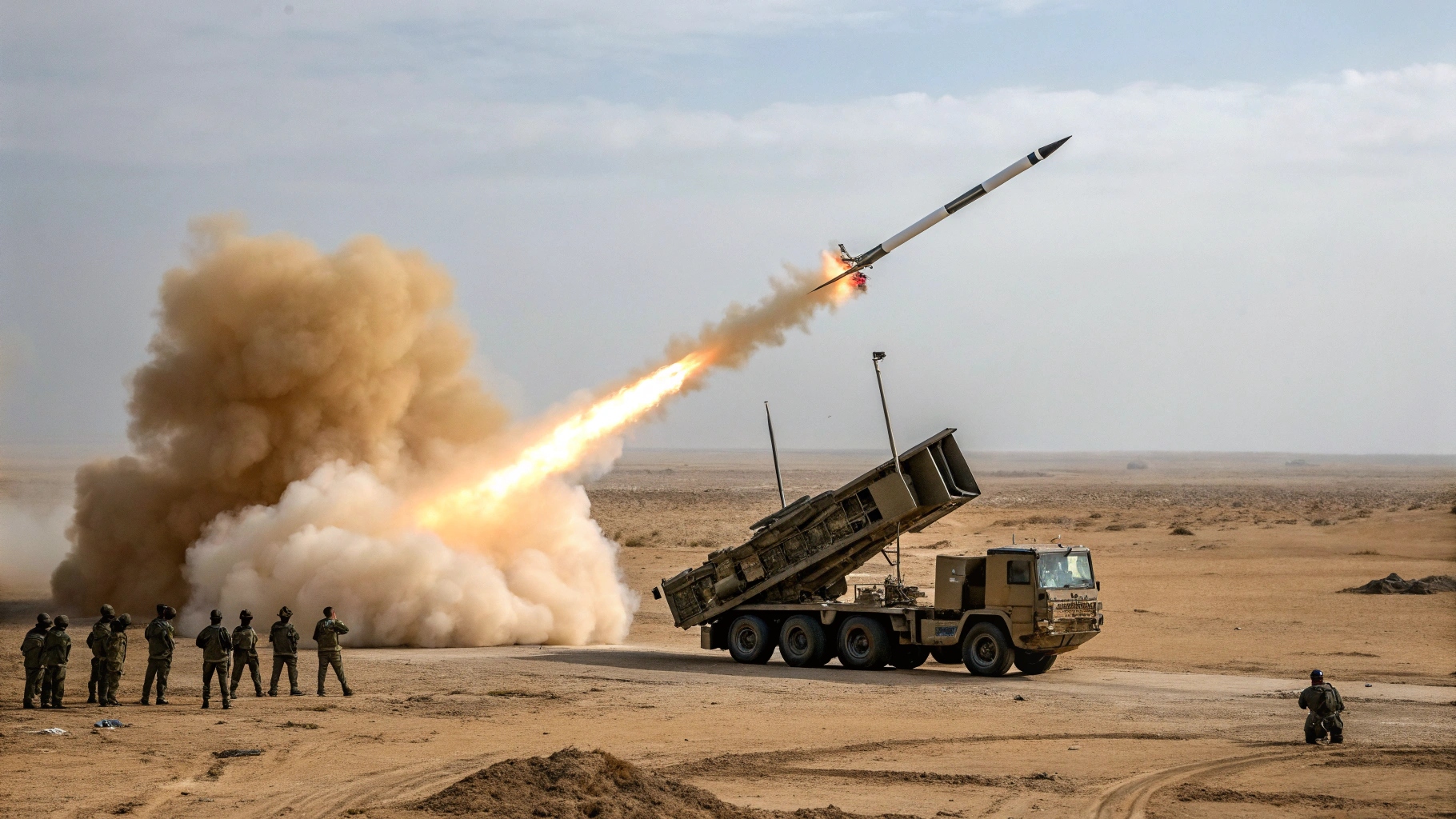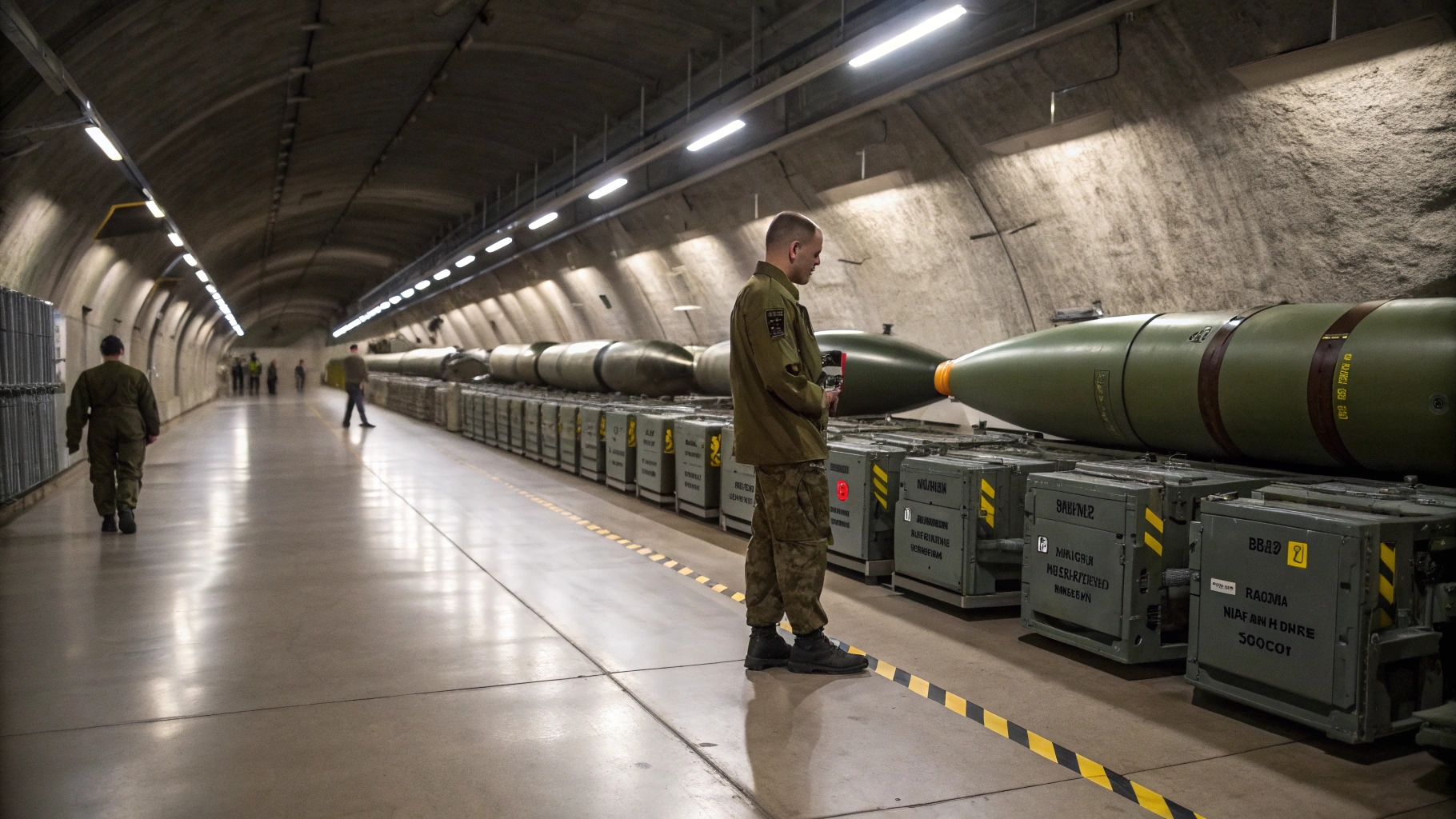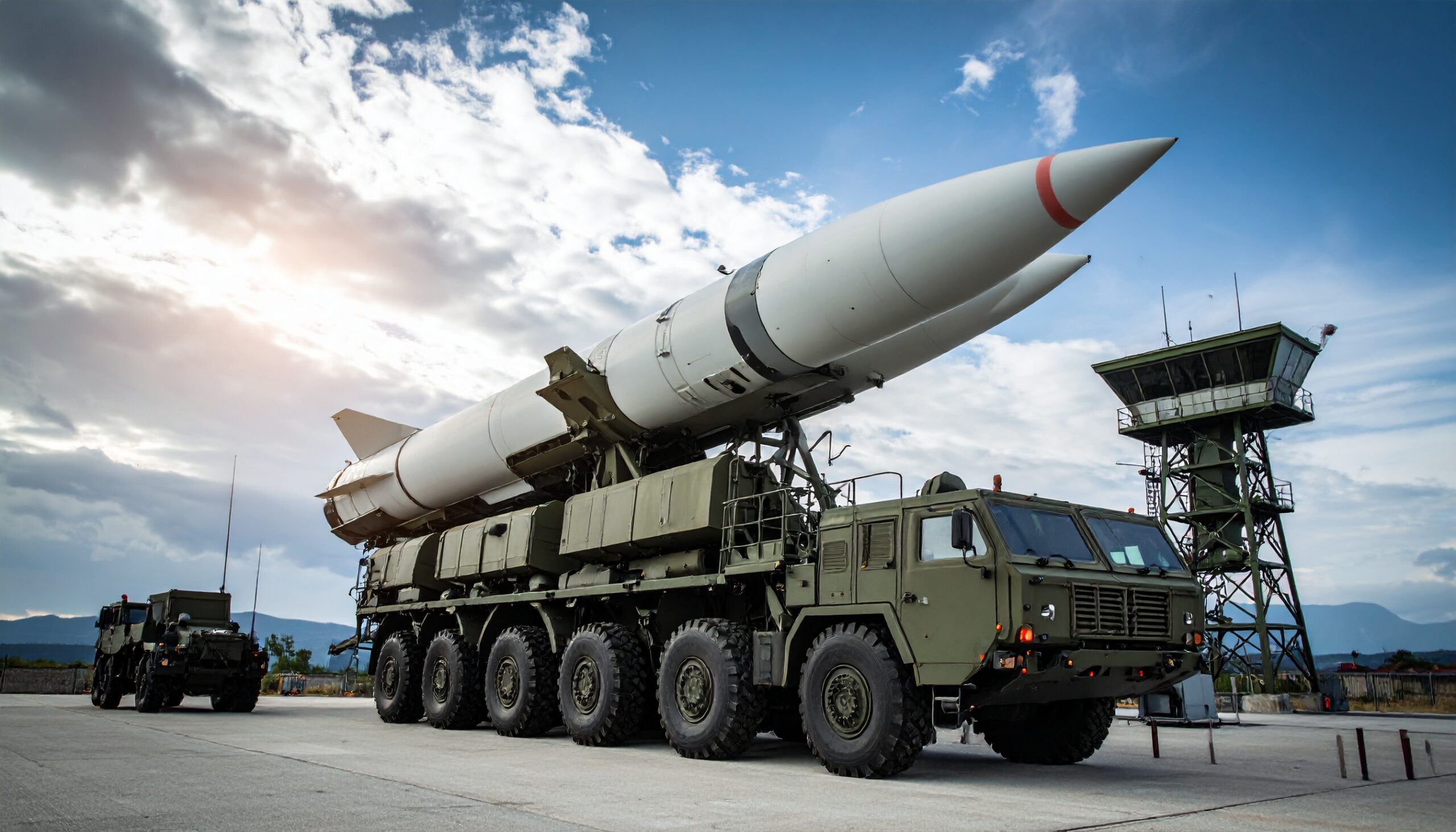
Russia has confirmed that its first air and missile defense regiment equipped with the S-500 Prometheus system has officially entered combat duty, marking a major milestone in the country’s strategic air defense modernization. The system is operated by the Russian Aerospace Forces and represents the most advanced layer of Russia’s integrated air and missile defense network.
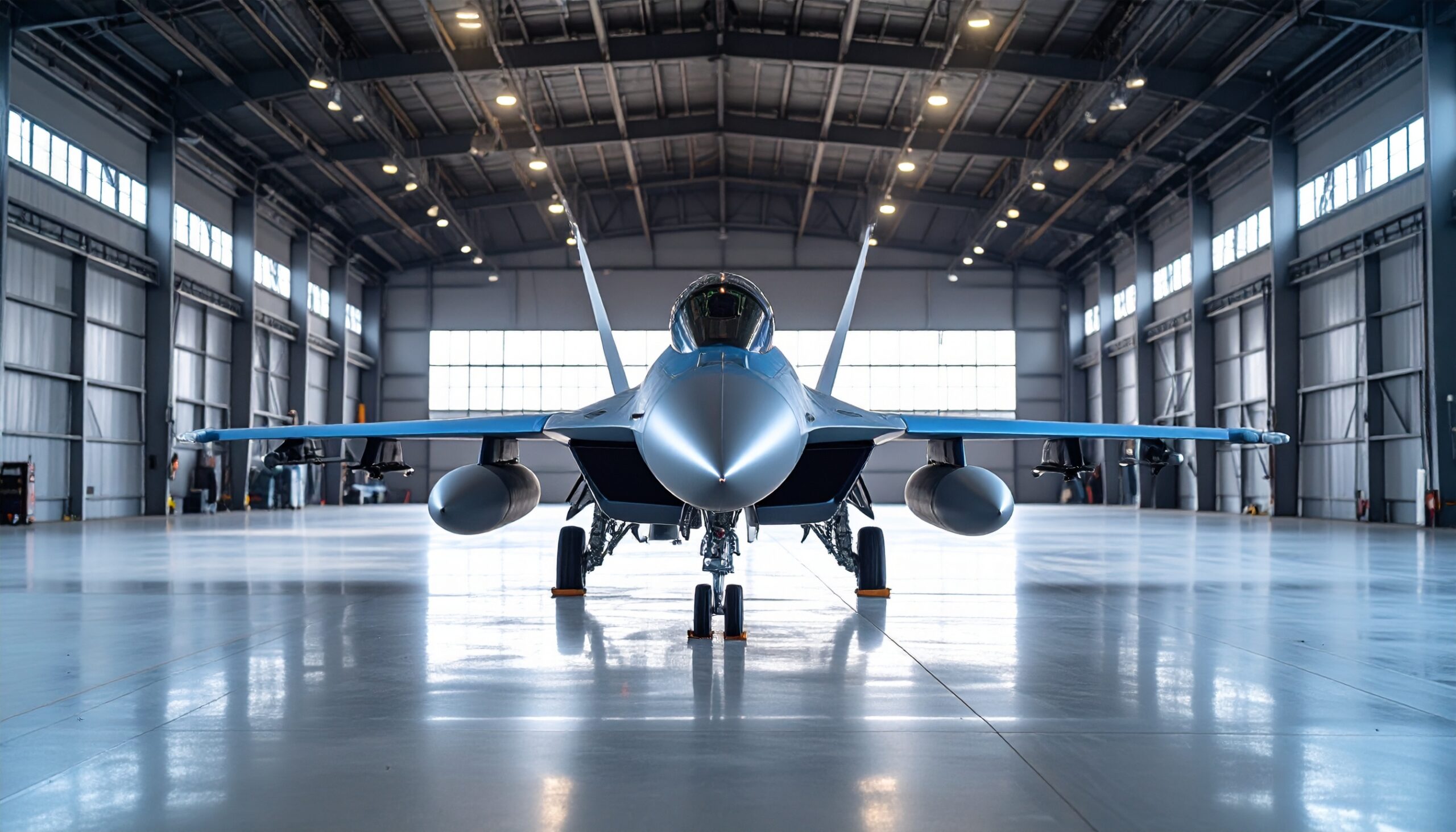
The S-500 Prometheus is designed to counter a broad spectrum of high-speed, long-range, and high-altitude threats, including fifth-generation fighter aircraft, ballistic and cruise missiles, and low-Earth orbit satellites. Development of the system began in 2010, shortly after Russia deployed its first S-400 air defense systems in 2007, reflecting Moscow’s push toward next-generation interception capabilities.
According to Russia’s state-run TASS news agency, the S-500 was developed to complement existing systems such as the S-400, bridging the gap between tactical air defense platforms and strategic missile defense systems. The system is intended to enhance layered defense coverage against both aerial and ballistic threats.
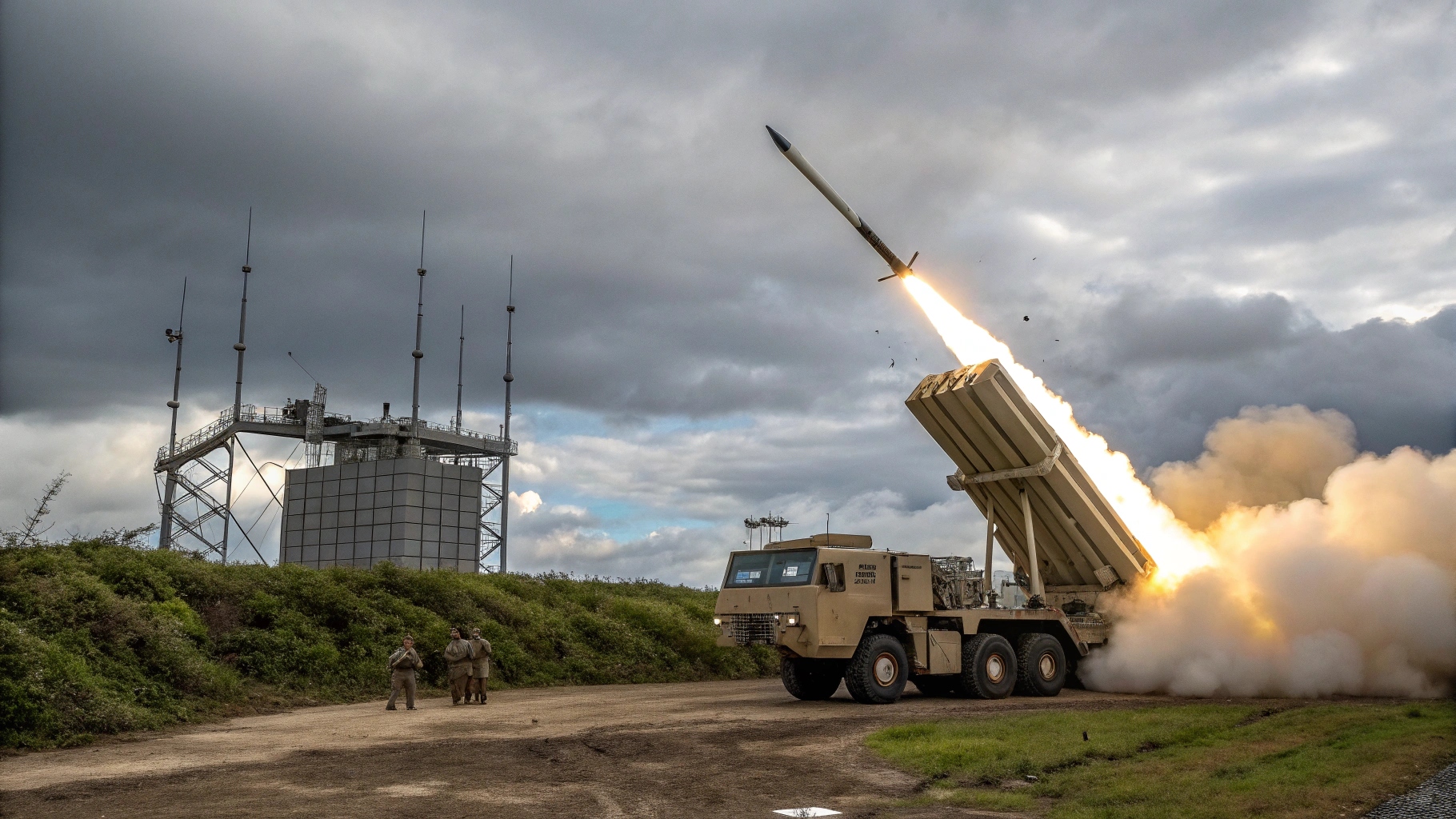
Developed by defense firm Almaz-Antey, the S-500 employs either four 40N6M long-range surface-to-air missiles or two 77N6 series interceptor missiles, deployed from mobile launchers. The 40N6M missile reportedly has a range of up to 400 kilometers, while the 77N6 interceptors are believed to reach distances of around 600 kilometers, enabling engagement of targets beyond the atmosphere.
The system’s advanced radar architecture integrates long-range surveillance radars with specialized engagement radars, allowing rapid detection, tracking, and fire control. Analysts note that the radar complex enables detection of ballistic targets at ranges of up to 2,000 kilometers and aerial targets at approximately 800 kilometers, significantly extending Russia’s early-warning and interception capabilities.