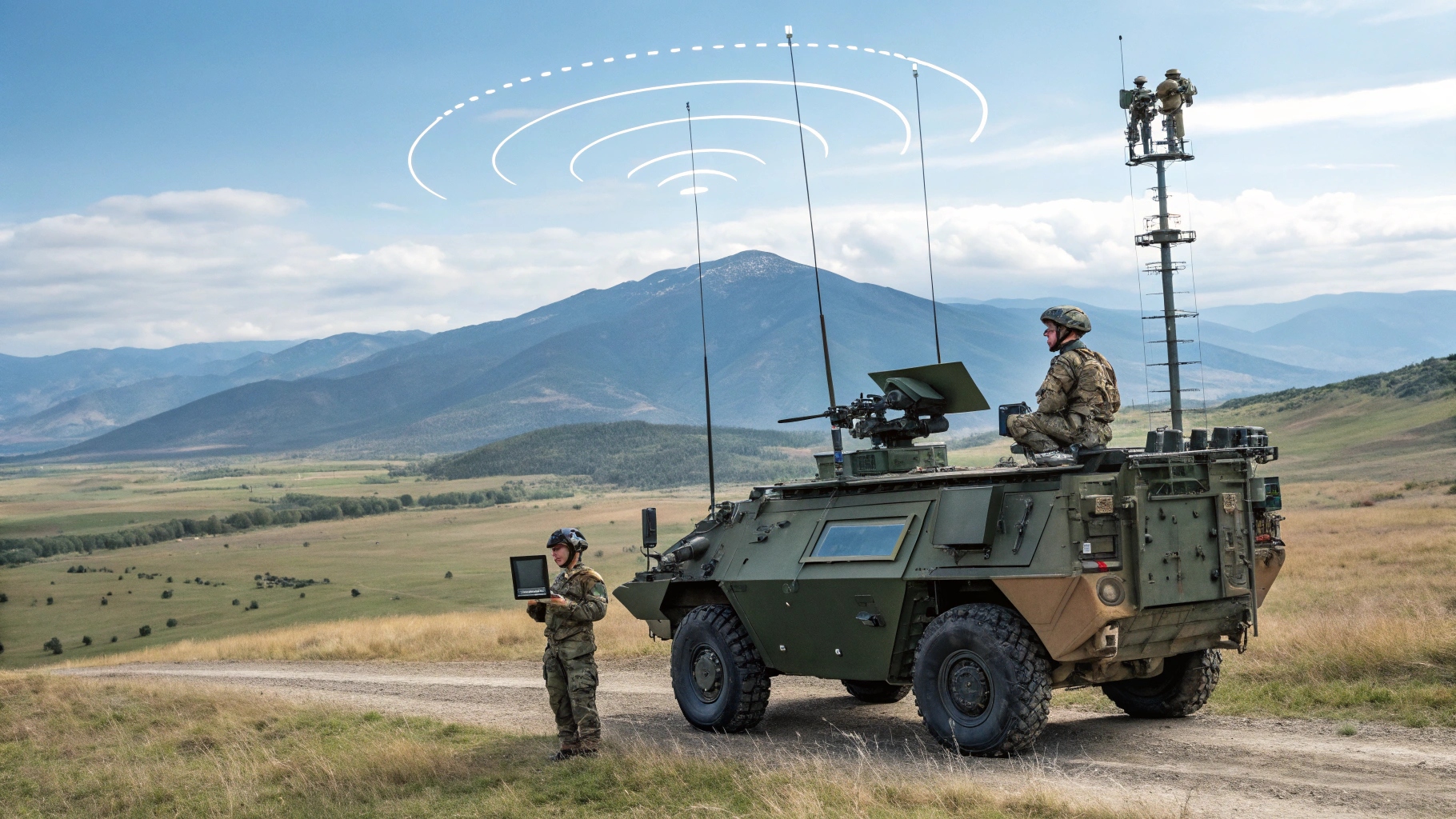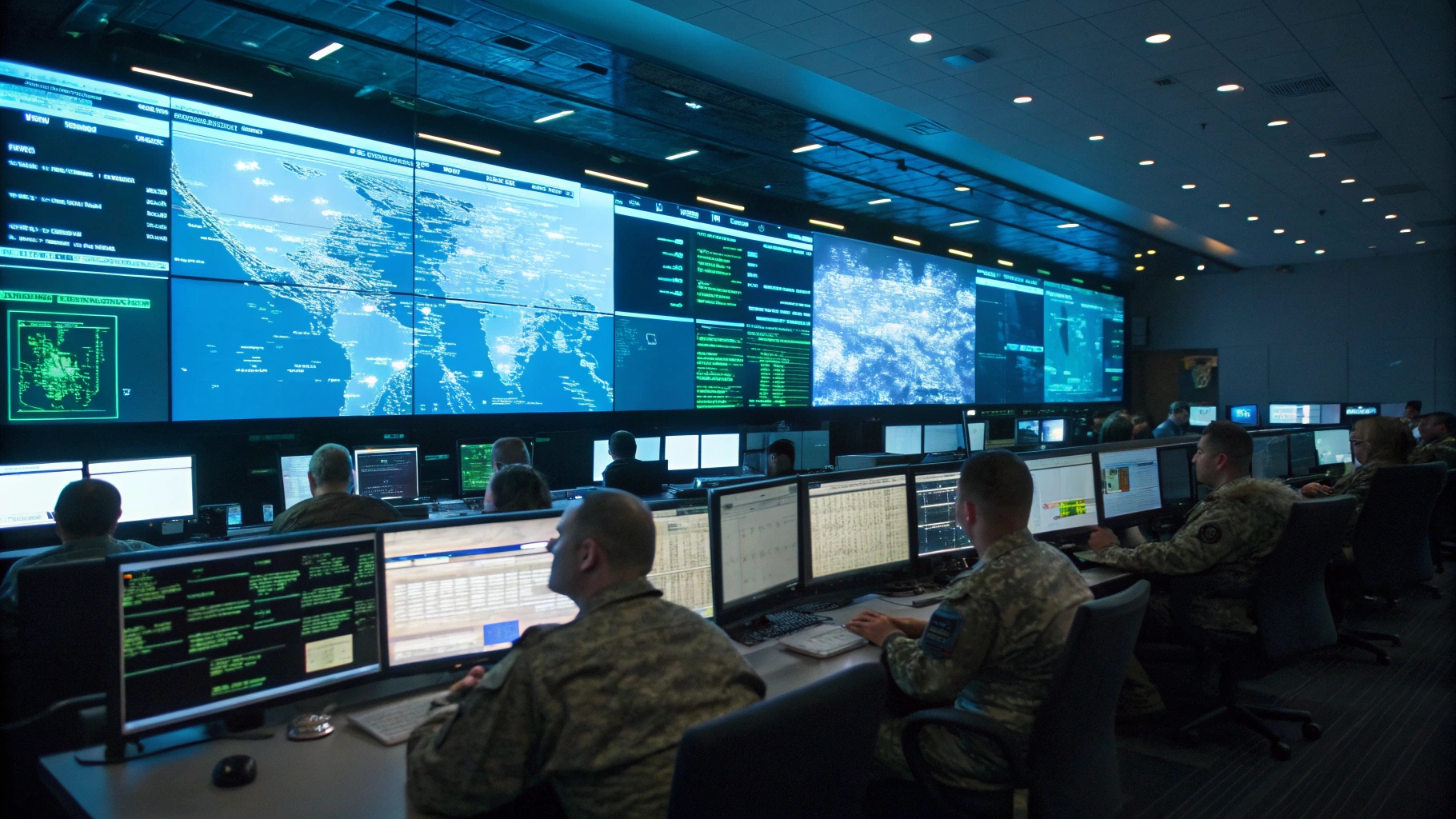
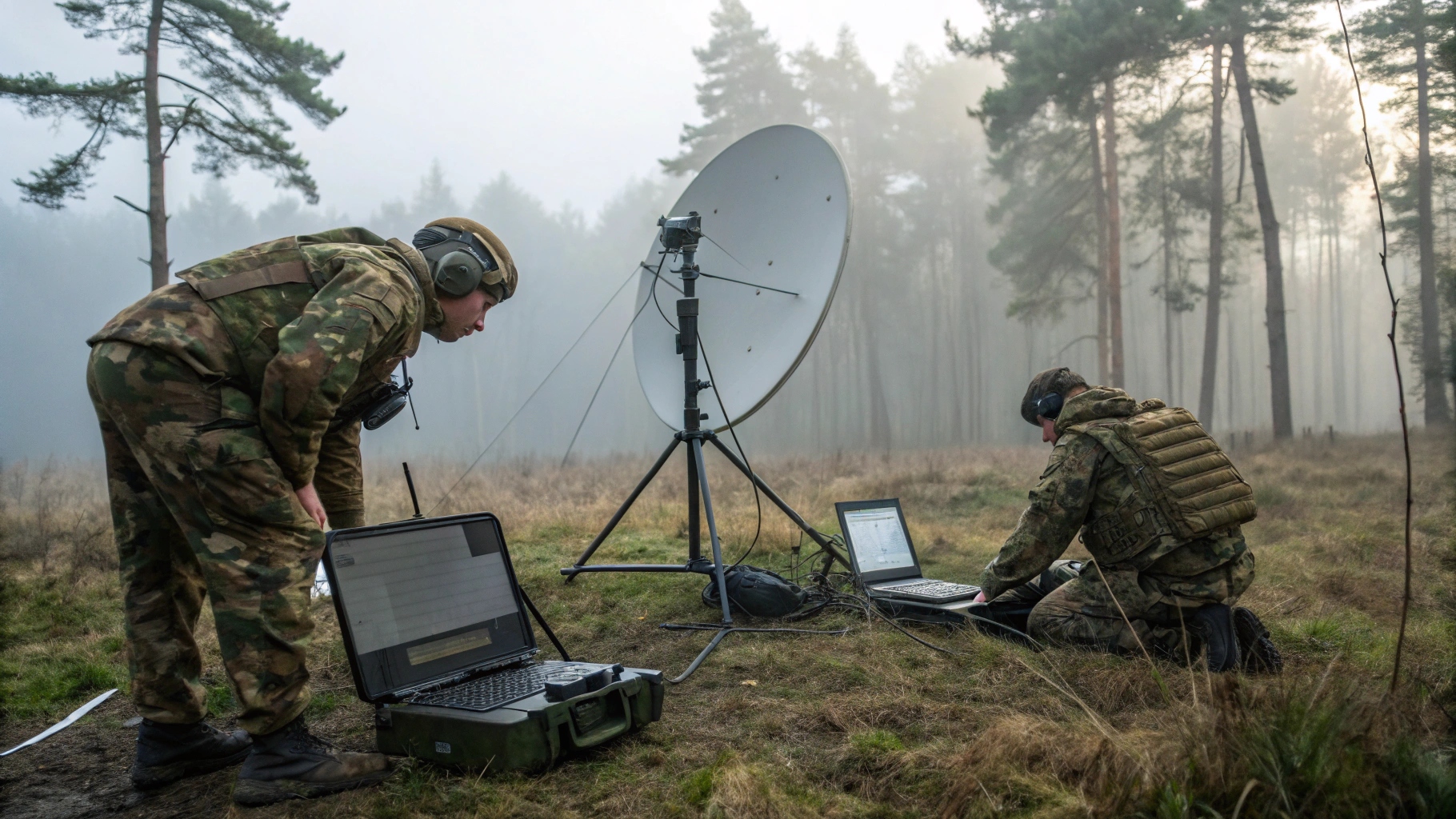
BAE Systems has introduced a new system designed to enable military units to exchange intelligence and operational information across networks with different security classifications without directly connecting those networks. The XTS Tactical solutions suite combines hardware and software to control the transfer of sensitive information in forward operating environments. According to the company, the system supports both one-way and two-way transfers of sensor feeds, intelligence, video, and mission data between separate networks. This allows military personnel to access information across different security domains while maintaining controls over the networks where the data is stored. The product family includes four configurations designed for different operational requirements. XTS Diablo is intended for compact tactical environments, while XTS Apollo is a ruggedized solution for command posts and medium-to-large platforms. XTS Artemis is designed for larger installations, including maritime and airborne platforms, while XTS Hercules provides ruggedized two-way data transfer with computing capacity for tactical operations. All four configurations use BAE Systems’ Interactive Link Tactical software. The company has not announced pricing, customer commitments, or an operational service entry date. Protecting Military Data: Military networks contain information that can expose operational plans, intelligence assessments, equipment capabilities, and personnel identities. Unauthorized access or disclosure can compromise security, endanger individuals, and provide adversaries with information about military activities. A September breach at the US Defense Manpower Data Center highlighted the risks of exposing sensitive information. A vulnerability in a file-sharing system allowed unauthorized users to access unencrypted files containing personal information, including Social Security numbers and military personnel data. The Pentagon later confirmed that the incident affected more than three million people with military connections. Cybersecurity risks also extend to companies supporting defense programmes. A March report by the Government Accountability Office stated that the Department of Defense relies on approximately 200,000 private companies for goods and services, many of which store sensitive government information. The report noted that malicious cyber actors have targeted defense contractors to obtain government and proprietary data.