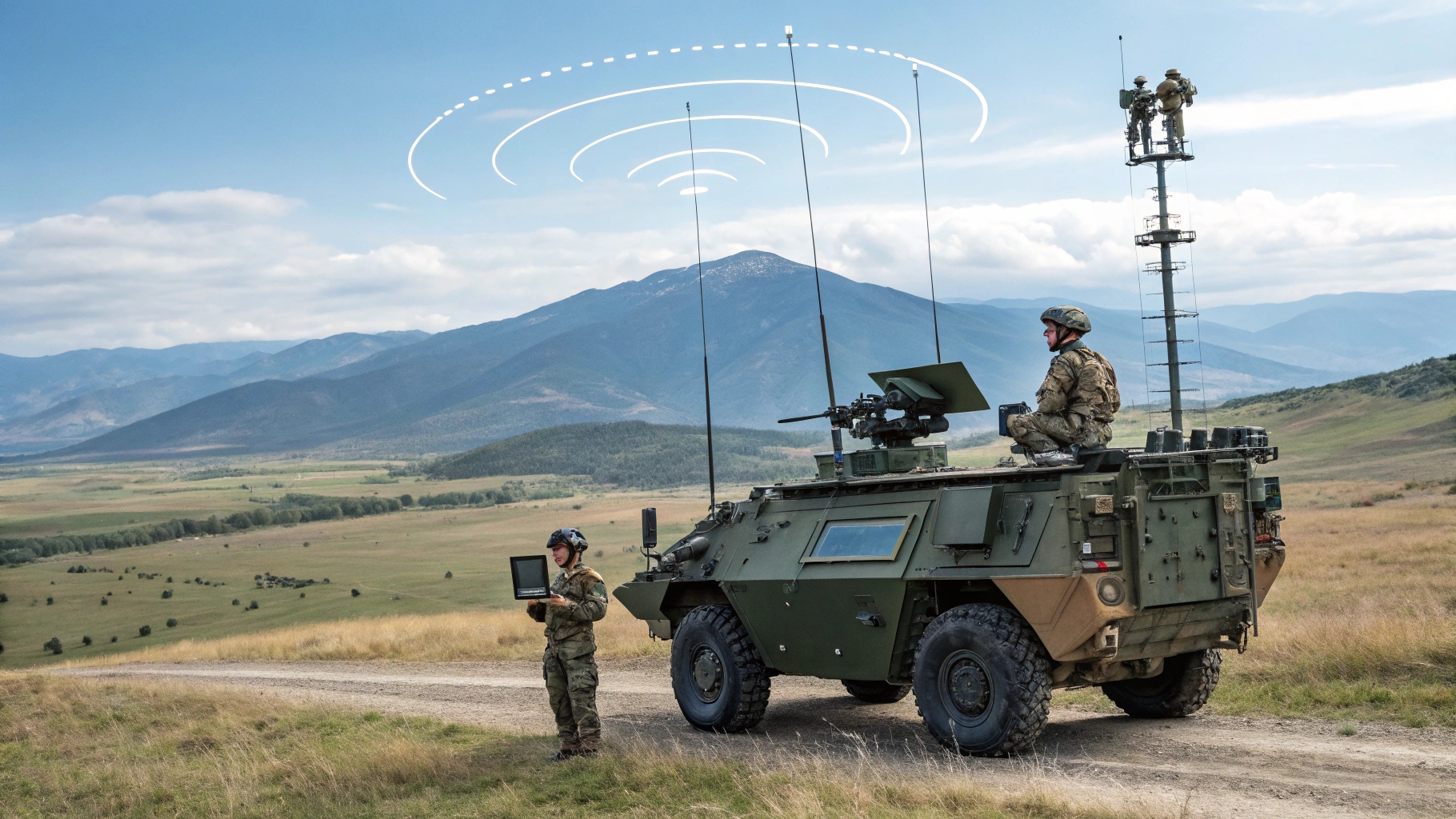
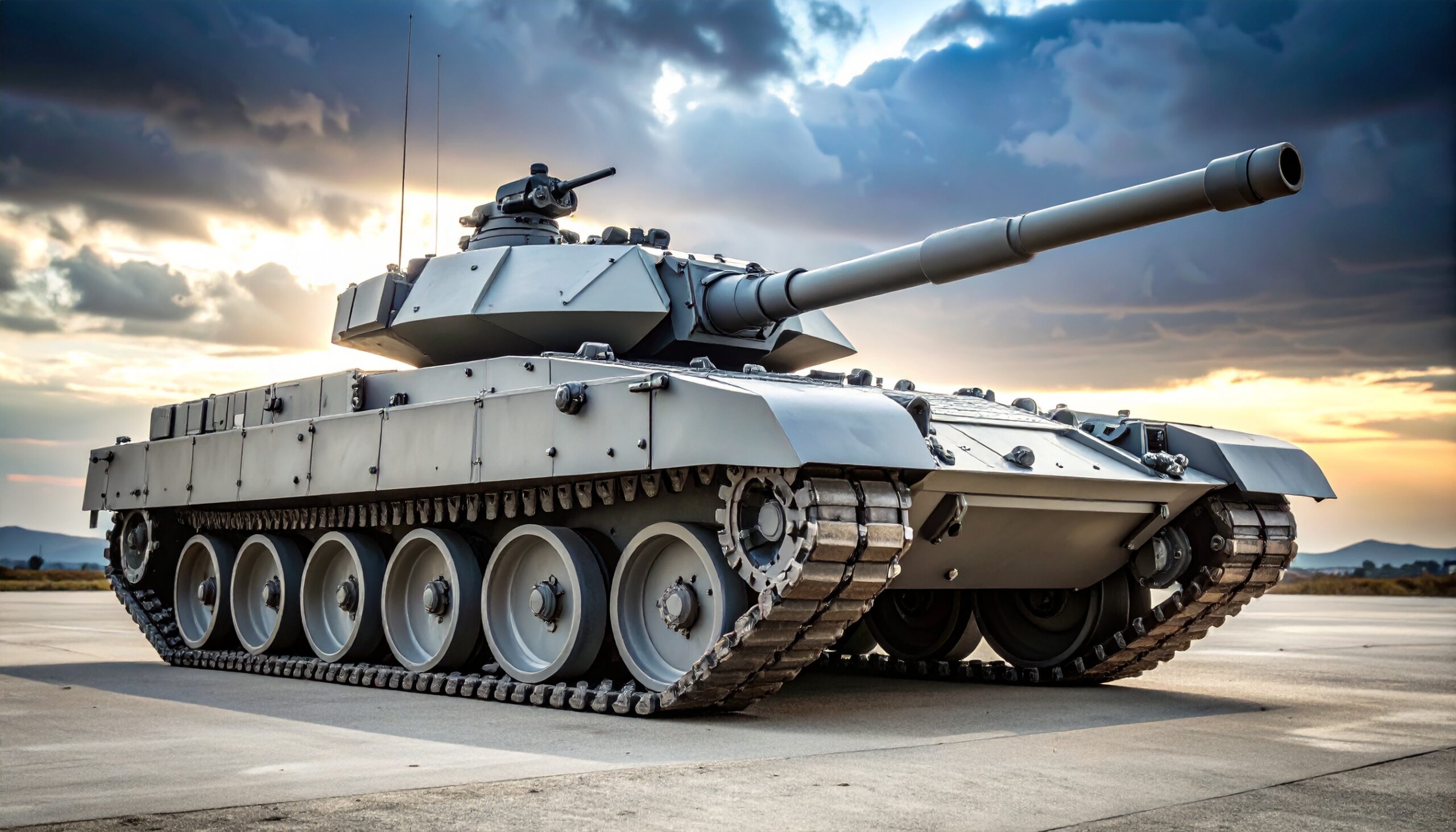
Germany and the Netherlands have strengthened their defense collaboration with the signing of a €4.5 billion contract through OCCAR to acquire 222 new SCHAKAL infantry fighting vehicles, further expanding joint Boxer fleets and reinforcing NATO’s protected mobility and resilience on the battlefield. This contract milestone, formalized in Bonn, marks a central stage in European land combat modernization and confirms the Boxer program’s role as a future-ready, modular platform across participating nations. The deal adds critical capacity, medical capability, and advanced infantry fighting options at a time of heightened demand for protected mobility within NATO, elevating total OCCAR-managed Boxer activities to over €10 billion and paving the way for future upgrades and variants.
Under the agreement, OCCAR will oversee the delivery of 270 Boxer vehicles for Germany and the Netherlands, including specialized Driver Training Vehicles and upgraded Ambulance variants for Germany. These ambulances feature improved C4I and visual systems, with a medical equipment uplift for enhanced battlefield care in existing fleets. The centerpiece is the SCHAKAL variant, jointly developed by Germany and the Netherlands, which integrates the high-performance PUMA RCT30 remotely controlled turret—equipped with a 30 mm cannon and state-of-the-art optics—on the Boxer 8×8 chassis.
The contract includes initial in-service support and employs the latest Boxer drive module configuration, aiming to set a common operational and technical standard for OCCAR member states and streamline lifecycle management. The Boxer family’s continuous evolution through joint national developments provides synchronized schedules, pooled requirements, and the advantages of industrial specialization, ensuring that upgrades are efficiently distributed across fleets.
Strategically, the SCHAKAL adds IFV-grade lethality to 8×8 mobility, influences urban and combined-arms tactics, and fosters cross-border sustainment within NATO’s mechanized forces. Its modular nature also facilitates rapid fleet expansion and readiness, as well as integrated medical and training improvements, highlighting the transformative impact of European industrial collaboration in shaping land warfare capabilities.