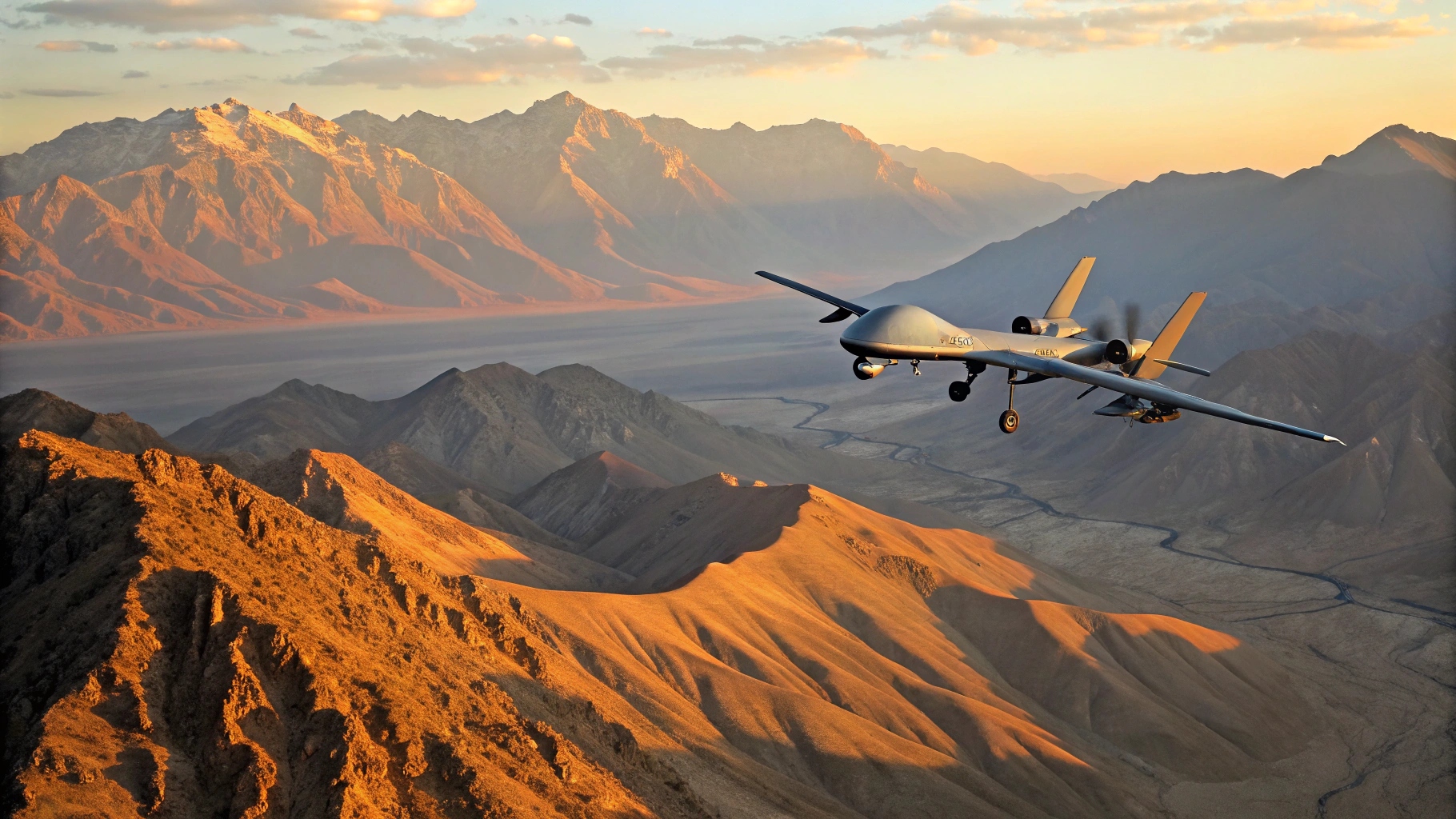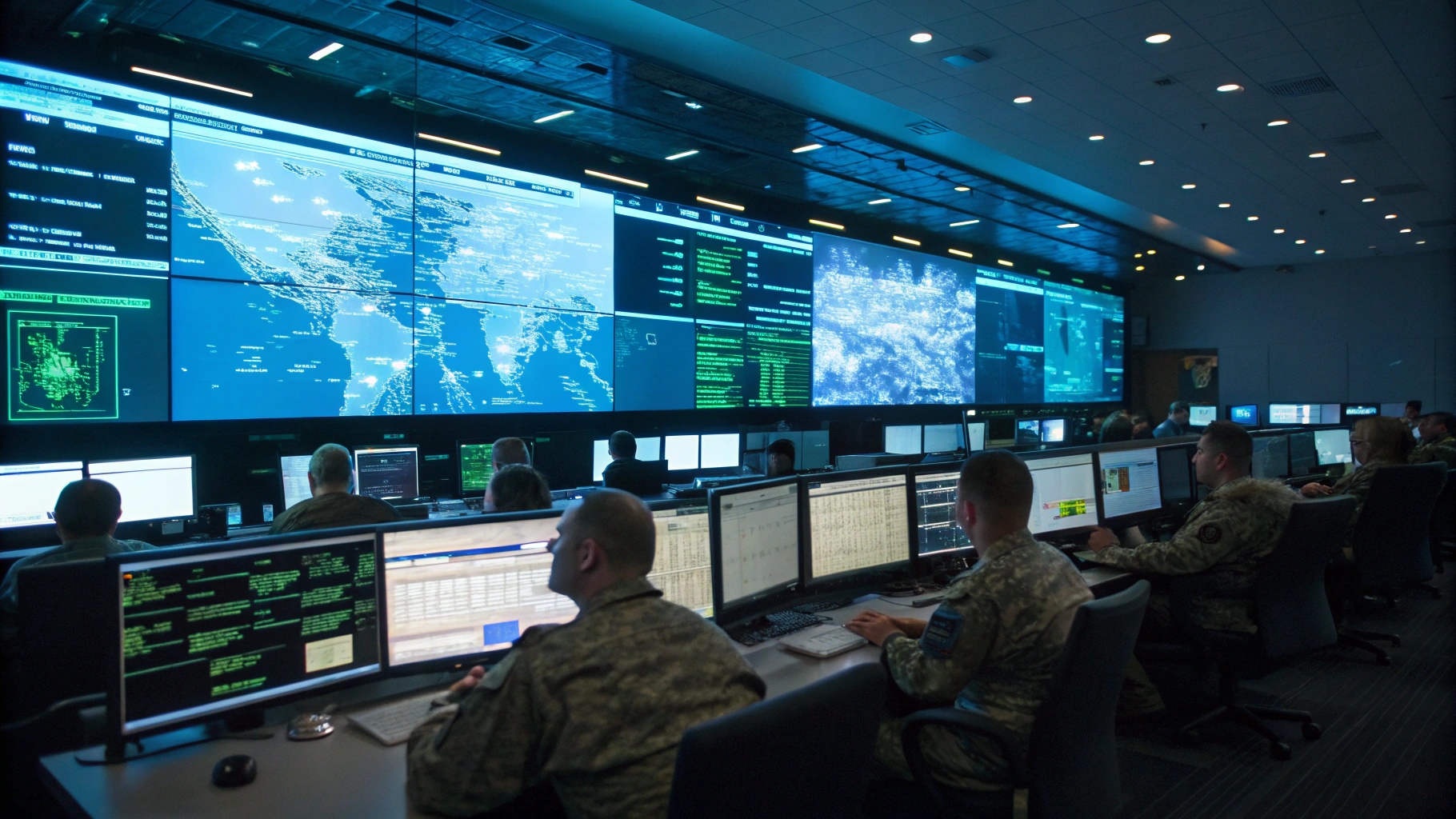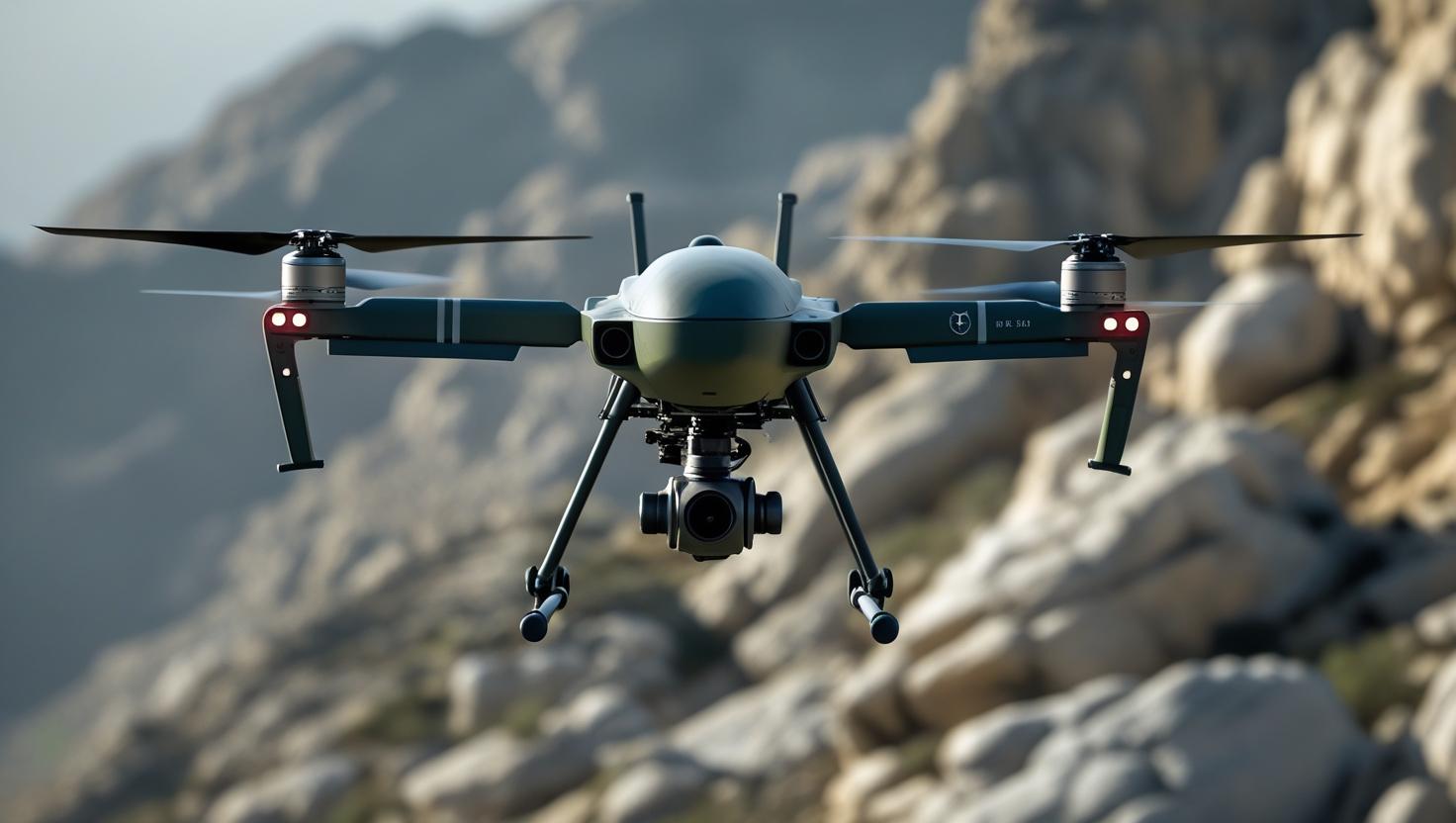
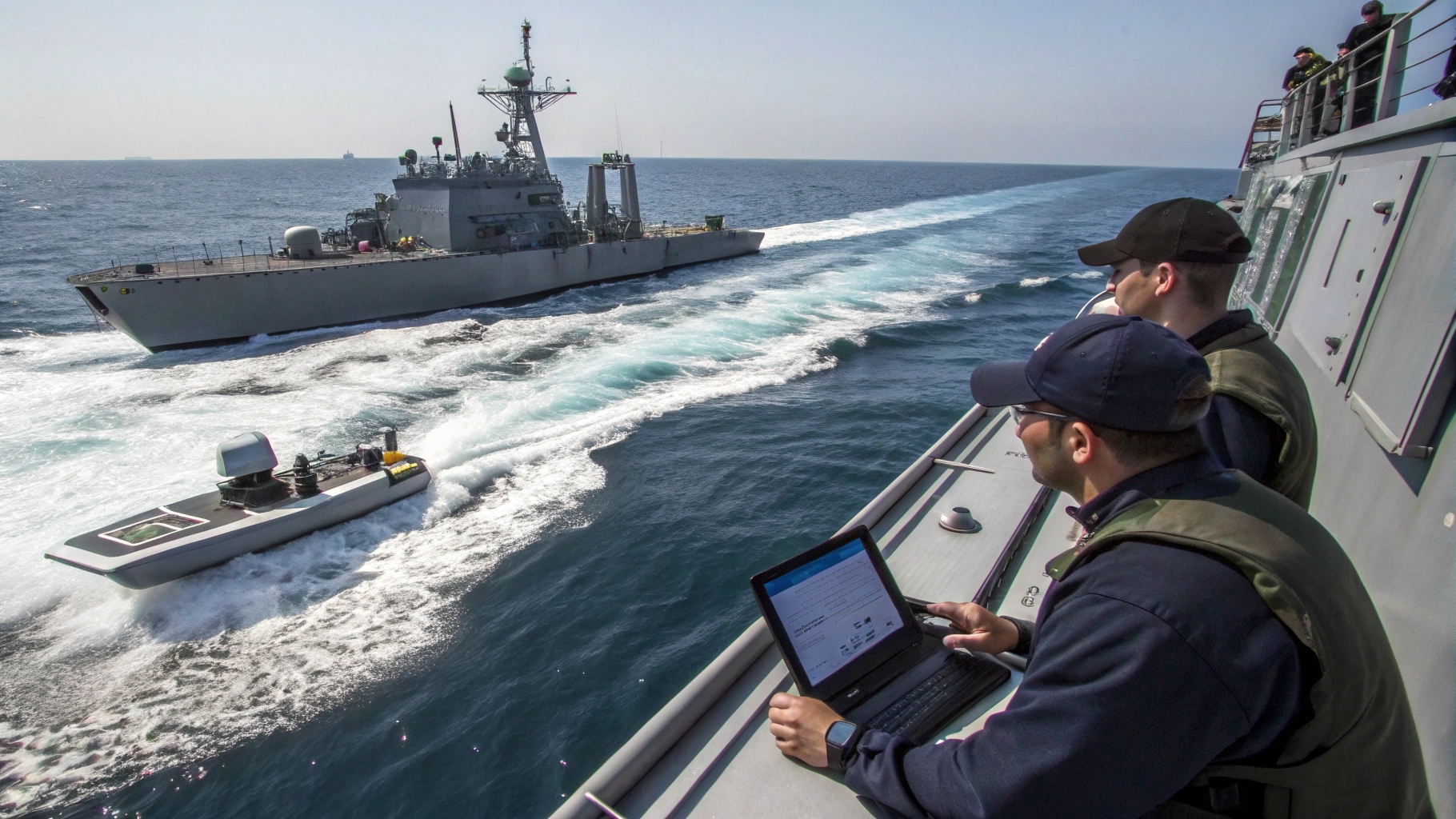
General Atomics Aeronautical Systems (GA-ASI) and the US Navy have demonstrated mission-planning software that allows uncrewed aircraft to interpret commanders’ instructions, coordinate with other platforms and adjust their actions as threats evolve.The trial used an MQ-20 Avenger operating from GA-ASI’s Gray Butte facility near Palmdale, California, alongside a mission operations centre in Poway. A live, virtual and constructive environment combined the aircraft with simulated platforms and computer-generated participants in a scenario featuring land, air and maritime threats. This approach enabled the team to assess force-wide coordination without requiring every represented aircraft to fly. The test also examined the effect of autonomous decisions on mission timing and the interaction between human operators and the software.To support the demonstration, the team connected the Navy’s existing mission-planning system with GA-ASI’s Tactical Autonomy Ecosystem (TacACE), which manages autonomous activity aboard the MQ-20. Structured information was added to the Navy planner to describe mission objectives, operating constraints and anticipated threats. The data followed the government’s Autonomy Government Reference Architecture, allowing the autonomy software to interpret the operational context.Operators could specify objectives, allocate tasks, establish priorities and define coordination rules. TacACE then interpreted the commander’s intent and developed actions within those boundaries. GA-ASI said the software coordinated crewed and uncrewed participants and adjusted plans in real time as the simulated battlefield changed.The demonstration builds on earlier autonomy work. In April, the Navy and GA-ASI launched the Collaborative Autonomy Mission Planning and Debrief project to develop planning and assessment workflows for uncrewed missions. Planned scenarios included air patrol, threat neutralization and connectivity with aircraft such as the F/A-18 Super Hornet. Earlier in the year, GA-ASI reported that an MQ-20 had used onboard sensors to track a piloted aircraft, calculate an intercept and execute a simulated shot autonomously. Tests also assessed its ability to remain within designated operating areas and avoid restricted airspace.