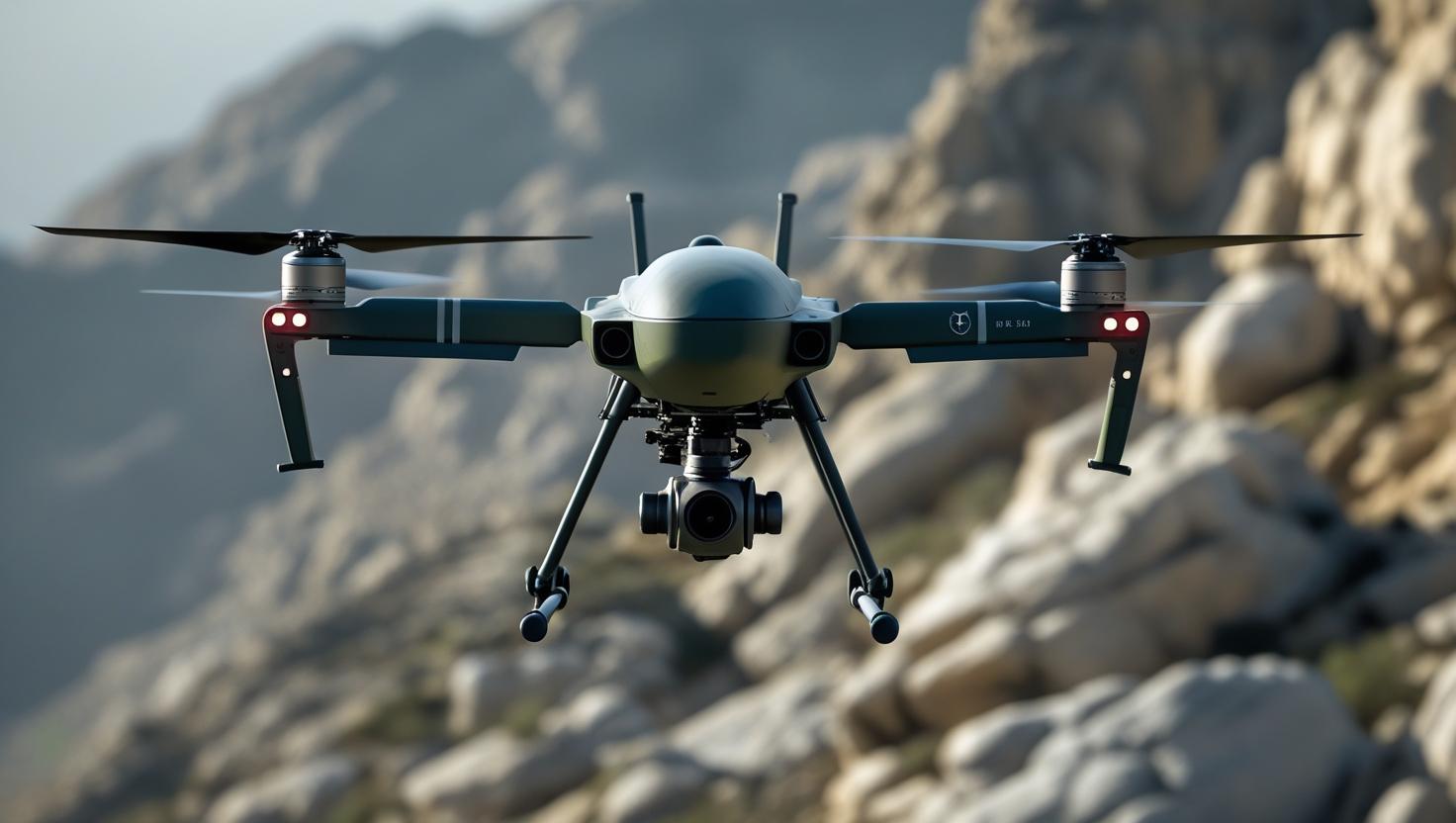
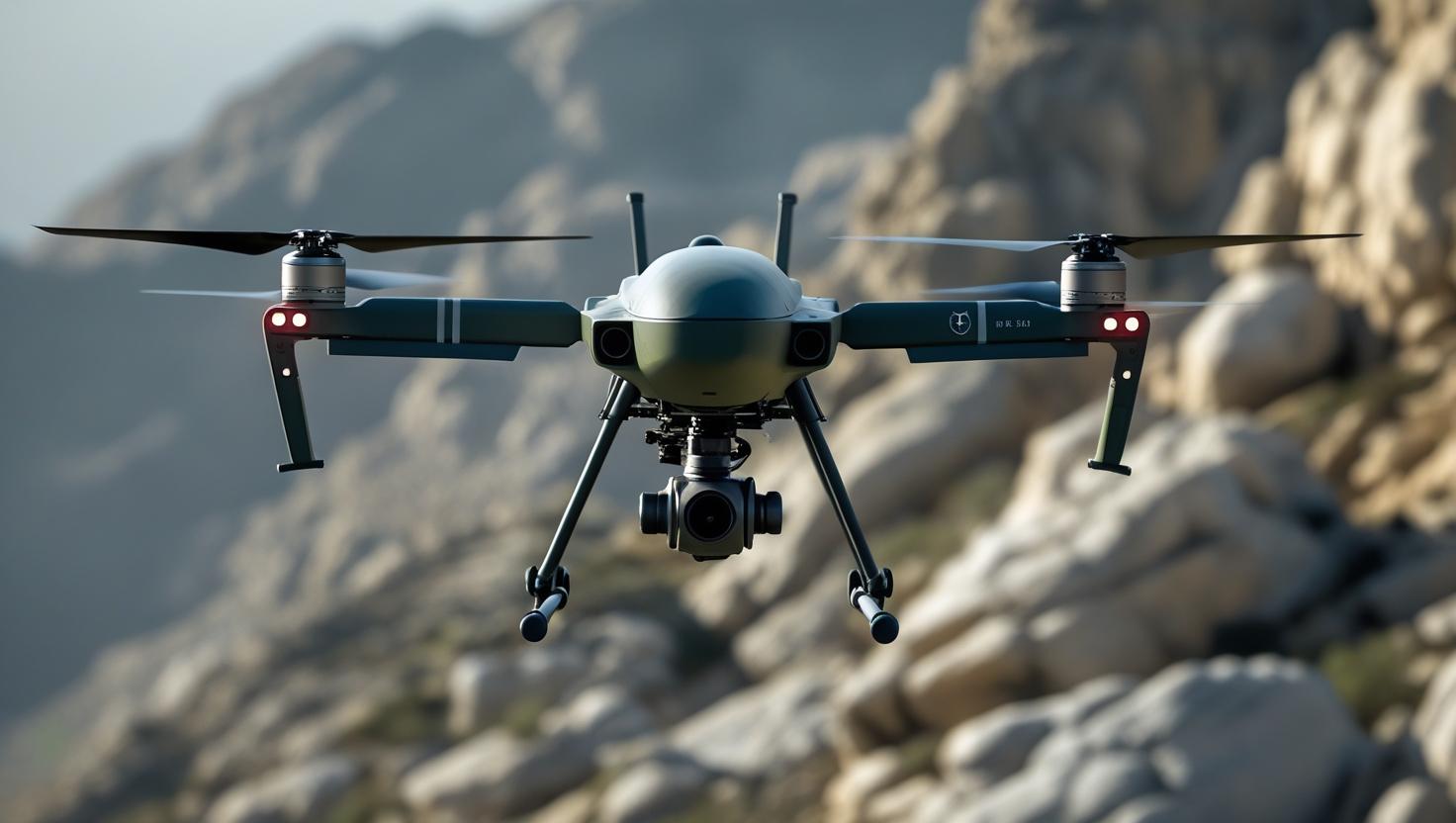
Greece is expanding its fleet of Shield AI V-BAT unmanned aircraft under a new procurement that will provide the army and navy with a common platform for intelligence and surveillance missions across the Aegean Sea. The NATO Support and Procurement Agency (NSPA) placed the order for additional vertical takeoff and landing aircraft on behalf of the Hellenic Armed Forces. The number of aircraft and contract value have not been disclosed. The purchase adds to Greece’s existing V-BAT fleet, which is already used for intelligence, surveillance, and reconnaissance operations over land and at sea. Operating a common platform across both services could simplify training, maintenance, and logistics while enabling the army and navy to share operational experience. The procurement falls under the NSPA’s Uncrewed Aerial Systems Support Partnership, a framework that enables participating countries to acquire unmanned systems and arrange support throughout their service lives. Shield AI’s V-BAT: The V-BAT is a Group 3 uncrewed aircraft system featuring a ducted-fan propulsion arrangement that enables vertical takeoff and landing without a runway or separate launch equipment. According to Shield AI, the aircraft can remain airborne for more than 12 hours and carry an electro-optical and infrared sensor payload. It uses a heavy-fuel engine, while its enclosed rotor allows it to operate from confined locations, including ship decks and remote coastal sites. Greece joins several other European countries acquiring the platform. In June, Poland signed an agreement to procure V-BAT systems for its navy, with the aircraft intended for maritime surveillance from a Polish naval vessel in the Baltic Sea. Earlier, in March, the Royal Netherlands Navy approved the V-BAT for operational use and began acquiring 12 aircraft, with eight naval vessels being equipped to support their deployment.