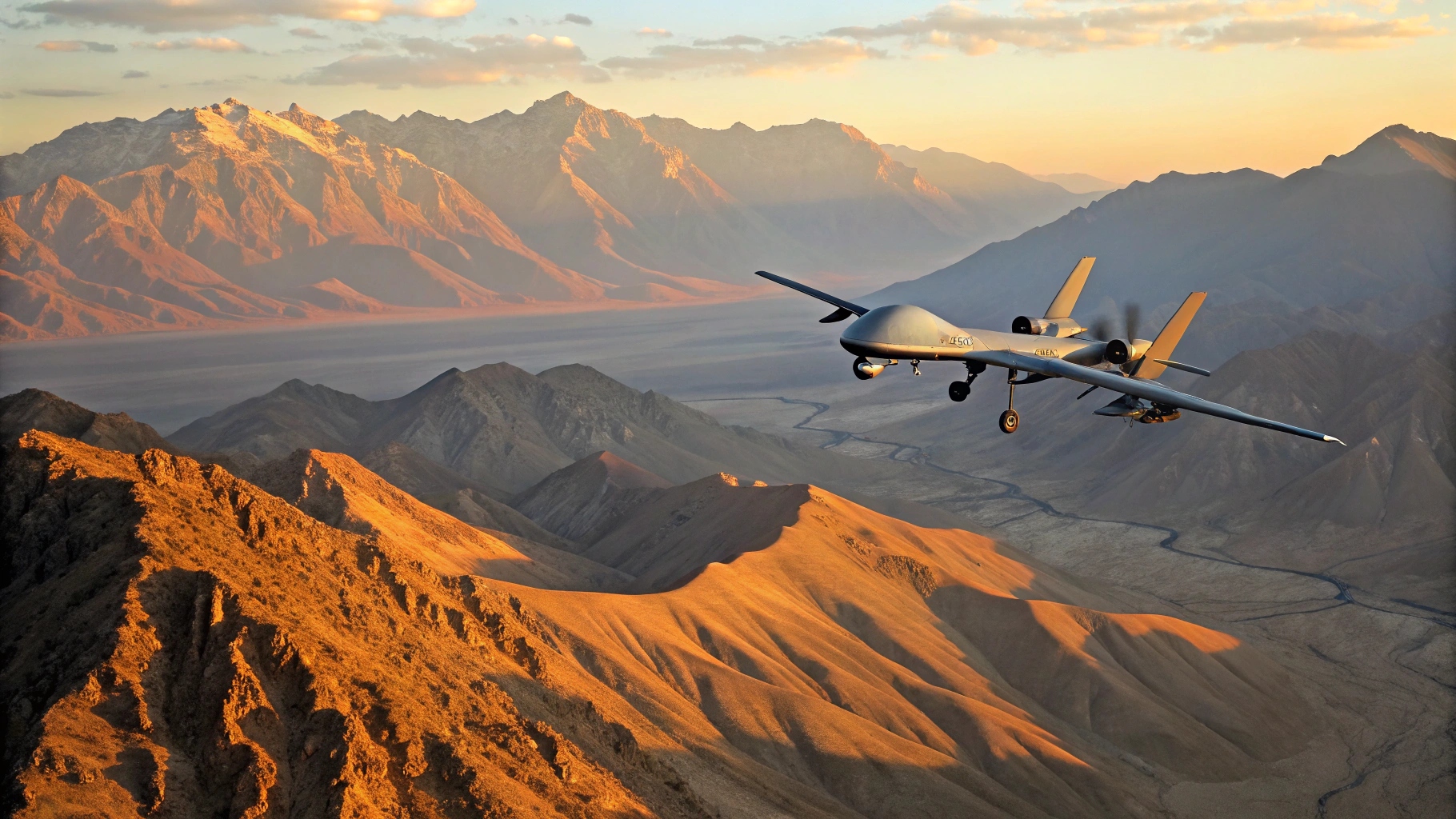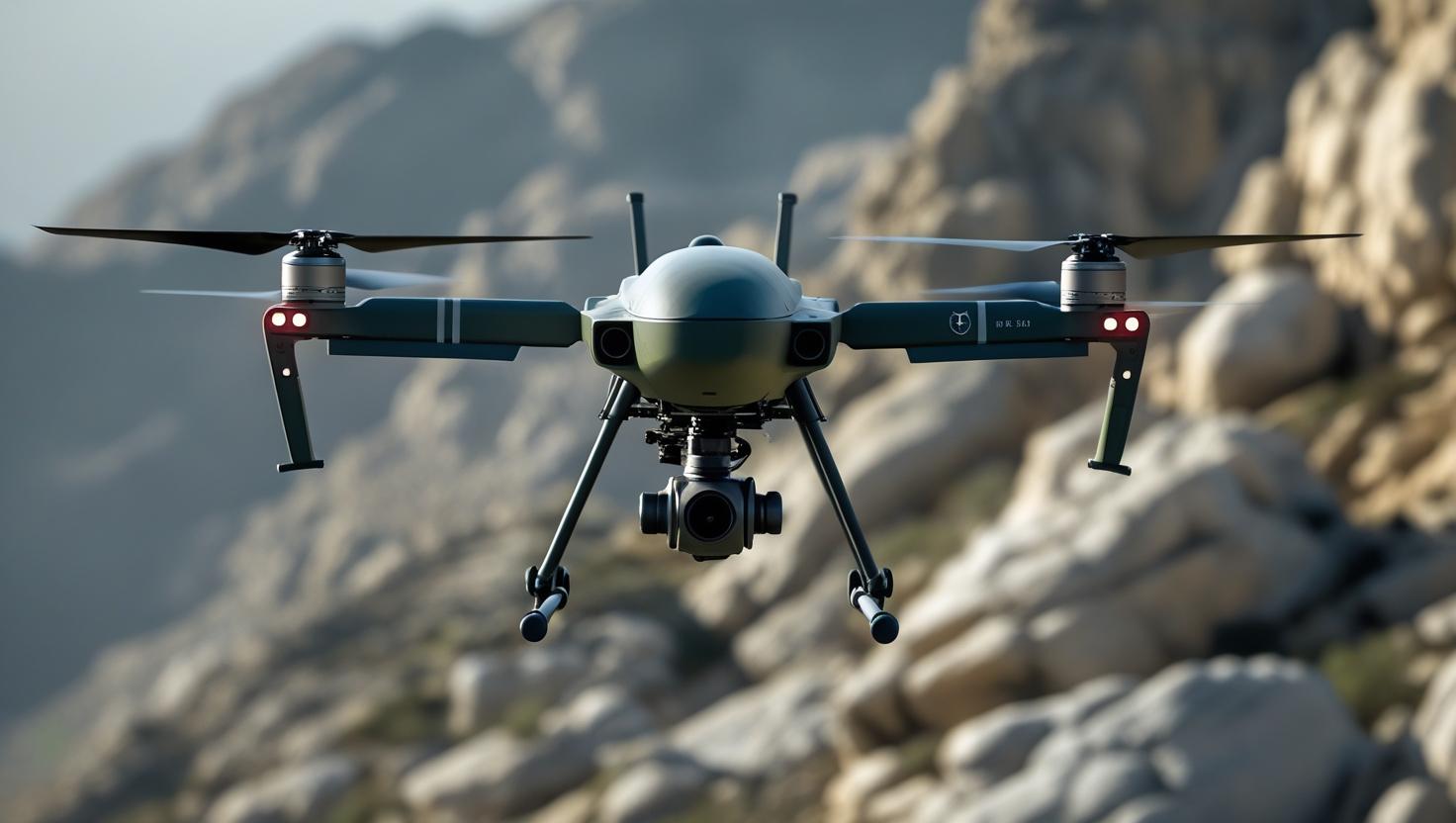
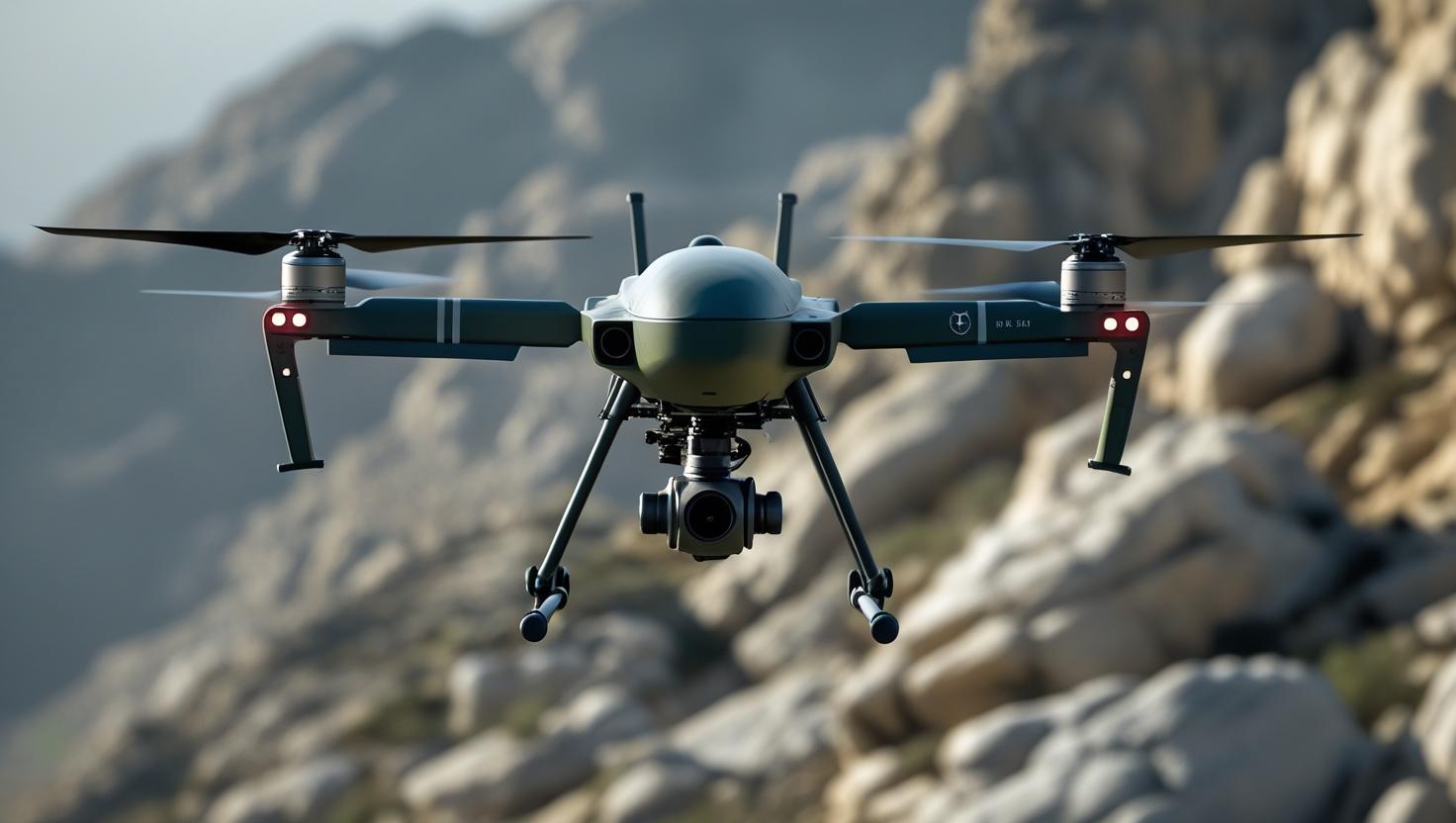
India is increasingly integrating unmanned aerial systems directly into frontline military formations, reflecting lessons drawn from recent operations and the growing importance of drones in modern warfare. The Army is institutionalizing drones across different combat arms rather than treating them solely as assets controlled by higher headquarters. Nearly 385 infantry battalions are reportedly being equipped with Ashni platoons, each consisting of 10 drones. Four are intended for surveillance while six are configured as kamikaze-style loitering munitions. This gives frontline commanders a more immediate ability to observe and engage targets without depending entirely on higher-level strike requests.The armoured corps is following a similar model through Shaurya Squadrons, which were tested during Exercise Amogh Jwala near Jhansi. These formations place drone operators within tank regiments equipped with T-90 and Arjun platforms, giving armoured units their own surveillance and strike capability. Artillery formations are also receiving Divyastra batteries that integrate drones with gun units to support target acquisition and precision fires. At the same time, light infantry is being reorganized into Bhairav commando battalions designed around rapid operations with integrated unmanned systems.India is also accelerating procurement of larger unmanned platforms. The country is fast-tracking 87 indigenous Medium Altitude Long Endurance drones with at least 60% local content. The programme represents a major shift because private-sector manufacturers are being involved in a MALE drone contract of unprecedented scale for India, potentially reducing long-standing dependence on imported Israeli systems. MALE platforms can remain airborne for extended periods and conduct surveillance and precision-strike missions over border regions.DRDO’s unmanned-aircraft portfolio is also expanding. Archer-NG is moving beyond its original surveillance role toward an armed configuration capable of carrying precision bombs and air-to-air missiles. The Ghatak stealth combat drone is intended to penetrate hostile air-defence networks and conduct deep-strike missions without putting pilots at risk. TAPAS-BH is being developed as a long-endurance surveillance platform for India’s northern and western borders. These programmes are progressing toward eventual induction, while the HALE category provides an even greater endurance and altitude capability for monitoring large areas.India currently lacks an indigenous operational HALE platform, leaving leased American MQ-9B SeaGuardian aircraft to fill the high-altitude surveillance requirement while domestic programmes mature. The drone architecture is being supported by a parallel expansion of counter-drone systems. The Army’s Akashteer network links radars, guns and missile systems into an automated air-defence architecture and was tested during Operation Sindoor alongside the IAF’s IACCS and the Navy’s Trigun network. Akash Tarang is expected to add another layer, including upgraded L-70 guns, while Mission Sudarshan Chakra represents the broader objective of creating a layered, AI-enabled national air-defence network by 2035.Pakistan is also strengthening its counter-UAS and electronic-warfare capabilities. Under the reported Mecca Pact, Islamabad has introduced Turkish Korkut 35mm guns and Sahin counter-UAS systems, along with Chinese HQ-17AE missiles. Satellite imagery has also reportedly indicated an expanding electronic-warfare footprint, including a suspected electronic-support-measures site near Dadyal in Pakistan-occupied Kashmir and additional ELINT infrastructure near hardened facilities at PAF Base Sindhri. Such systems could threaten India’s drone operations by interfering with GPS and radio communications through jamming, spoofing or interception.India is responding by expanding its own electronic-warfare capabilities. DRDO-developed systems carried by Su-30MKI and Rafale fighters, together with ground-based jamming systems deployed near the LoC and LAC, are intended to protect India’s unmanned assets in contested electromagnetic environments. The evolving contest therefore involves not only drones and counter-drone weapons but also control of the electromagnetic spectrum.