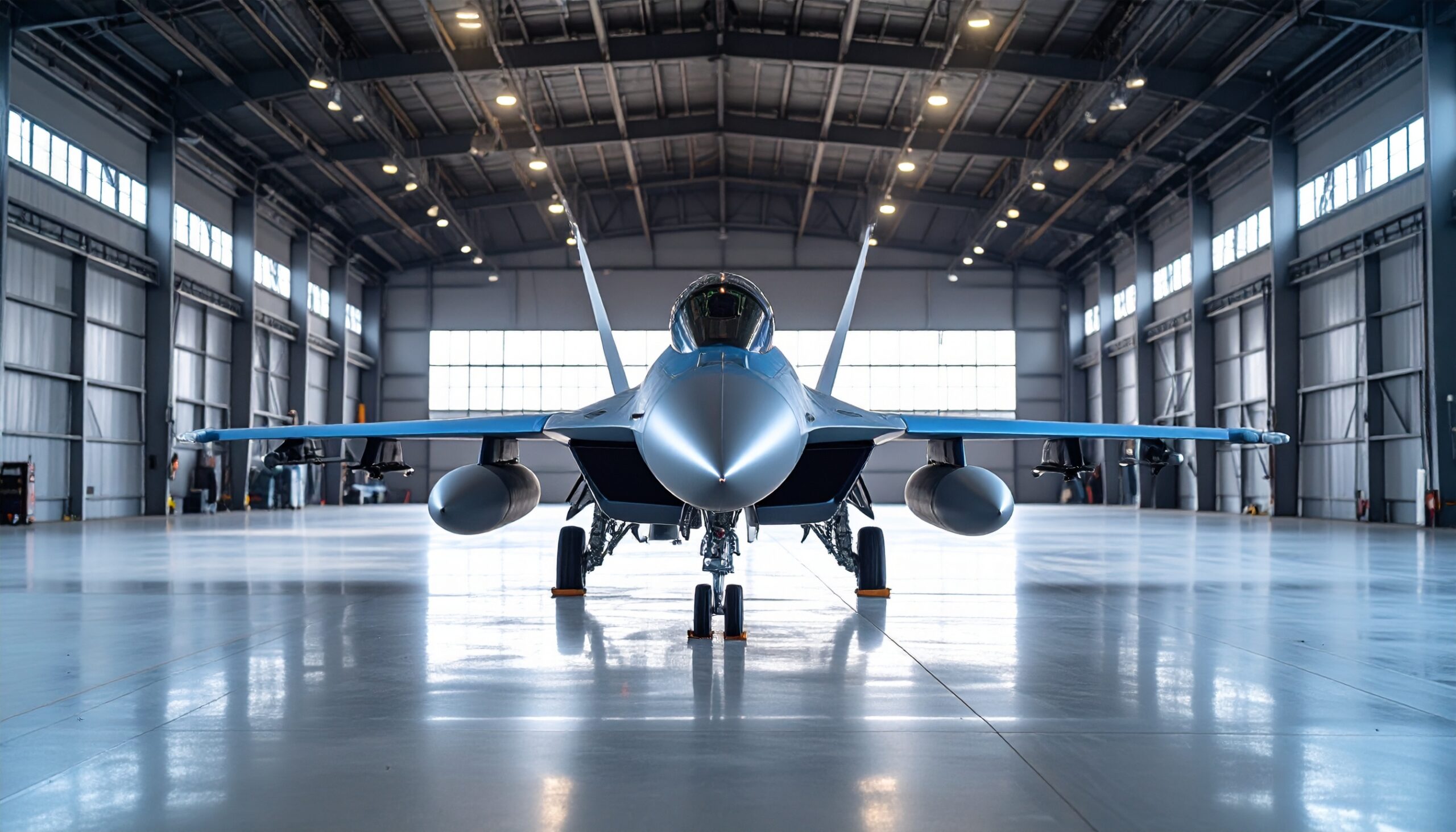
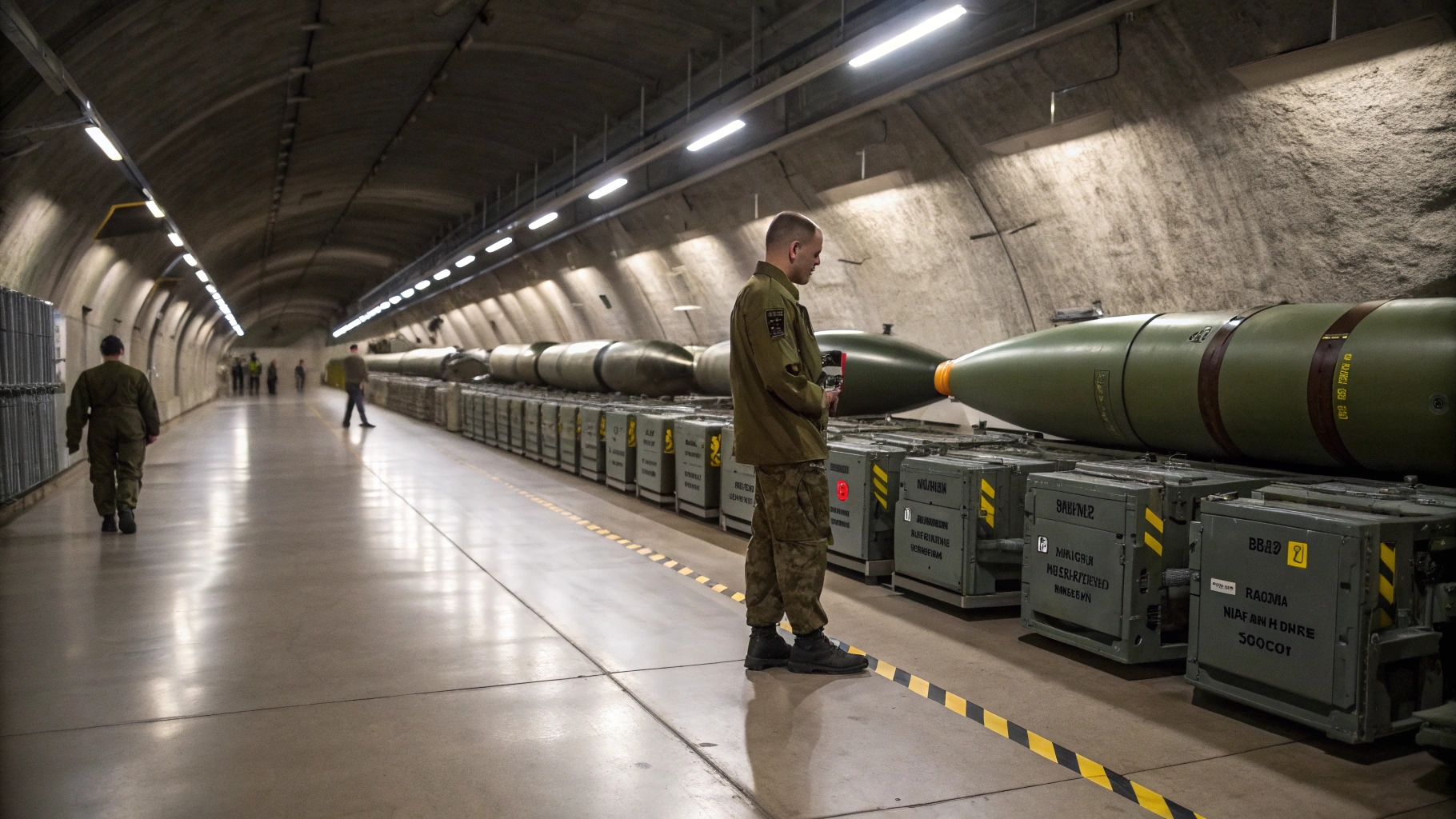
India is reportedly exploring an unconventional defence barter arrangement with Brazil that could involve the exchange of Embraer’s C-390M Millennium transport aircraft for Indian defence exports such as the Tejas Mk1A fighter jet and Akash missile systems. The proposal reflects a strategic shift toward balancing defence procurement with export-driven industrial partnerships. The initiative aligns with India’s ongoing Medium Transport Aircraft (MTA) programme, which has received Defence Acquisition Council approval for the acquisition of 60 aircraft to replace ageing transport fleets. A formal RFP is expected soon, opening competition for global manufacturers. The C-390M is considered a strong candidate due to its modern design, payload capacity, and operational flexibility. However, India’s evaluation will depend on compliance with requirements such as 60 percent indigenous content and transfer of technology provisions. On the Brazilian side, interest in the Tejas Mk1A fighter jet is growing as a replacement for its aging F-5 fleet, alongside evaluations of India’s Akash air defence systems, including upgraded variants like Akash NG. Under the proposed barter mechanism, each country would procure equipment while offsetting financial exposure through reciprocal orders, effectively balancing payments between HAL, BDL, and Embraer. If implemented, this structure could mark a significant evolution in India’s defence trade strategy, integrating exports directly into procurement decisions. However, several challenges remain. One critical factor is the availability of GE F404 engines for Tejas Mk1A production, as supply delays could impact both domestic and export commitments. Lifecycle support, maintenance infrastructure, and long-term sustainment agreements will also play a decisive role in Brazil’s evaluation. Similarly, India must assess the C-390M’s operational compatibility, including range, payload, and integration with existing logistics systems. If successful, the barter arrangement could establish a precedent for future defence procurement models involving reciprocal industrial partnerships rather than traditional cash-based transactions.