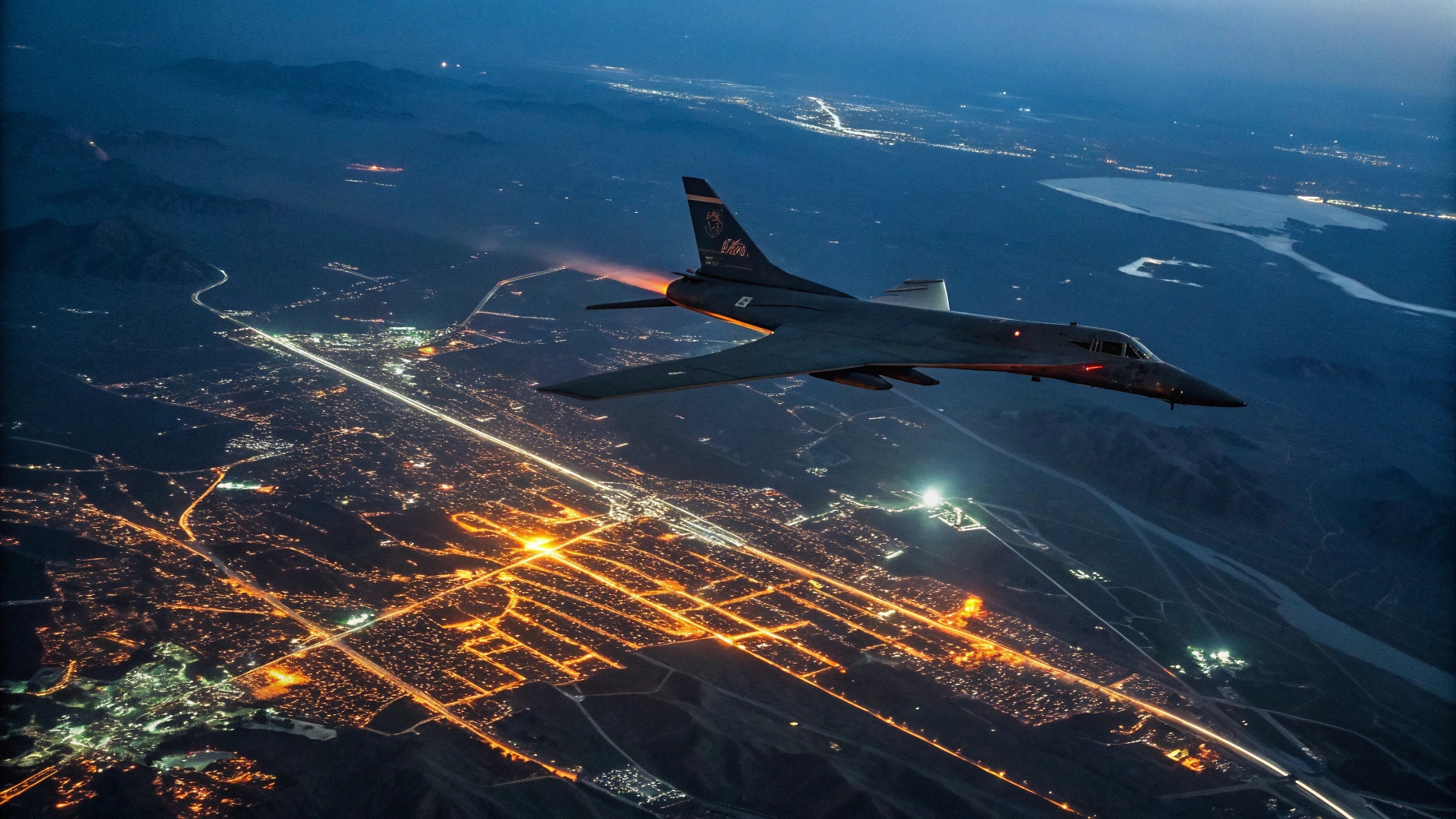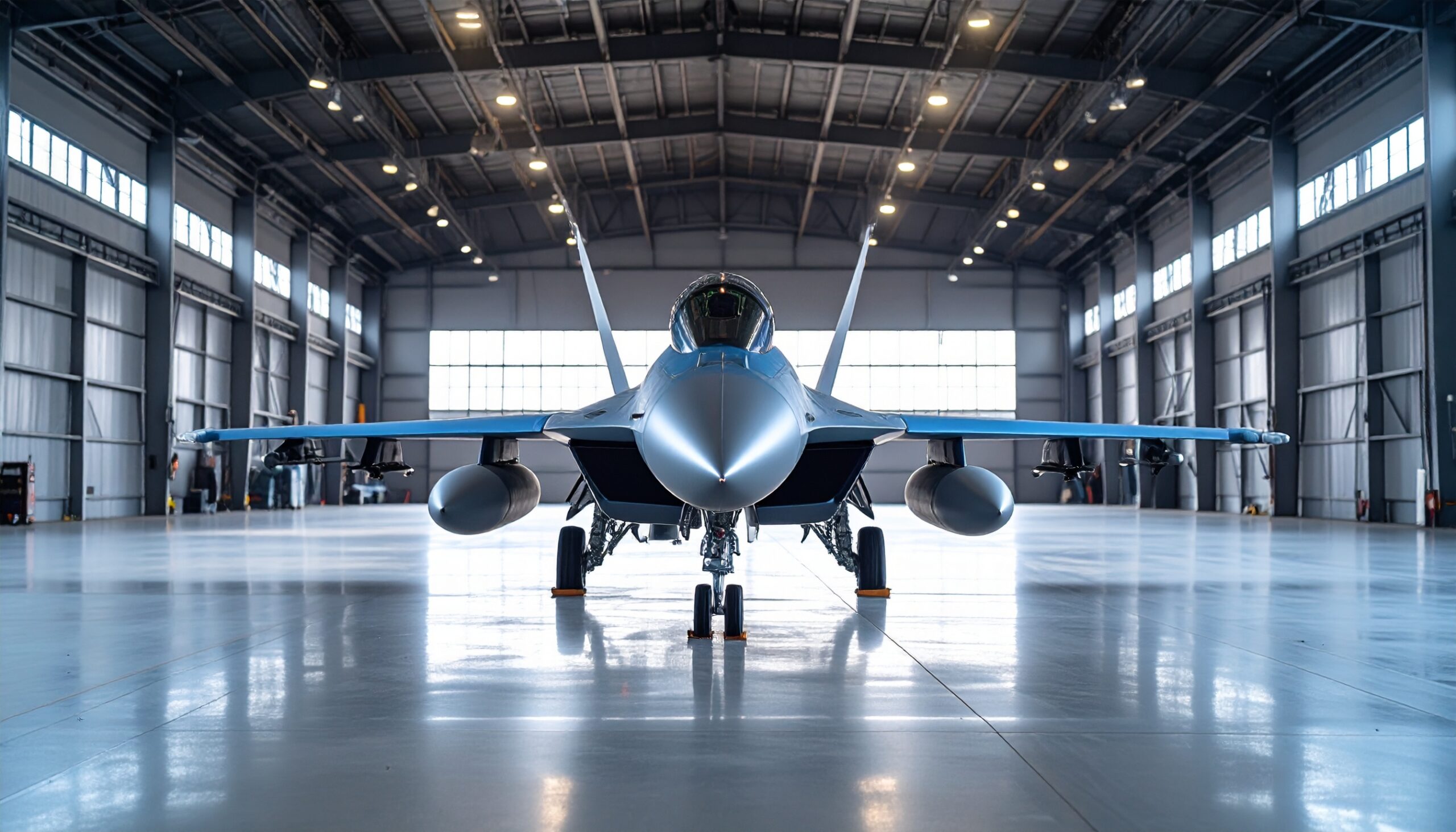
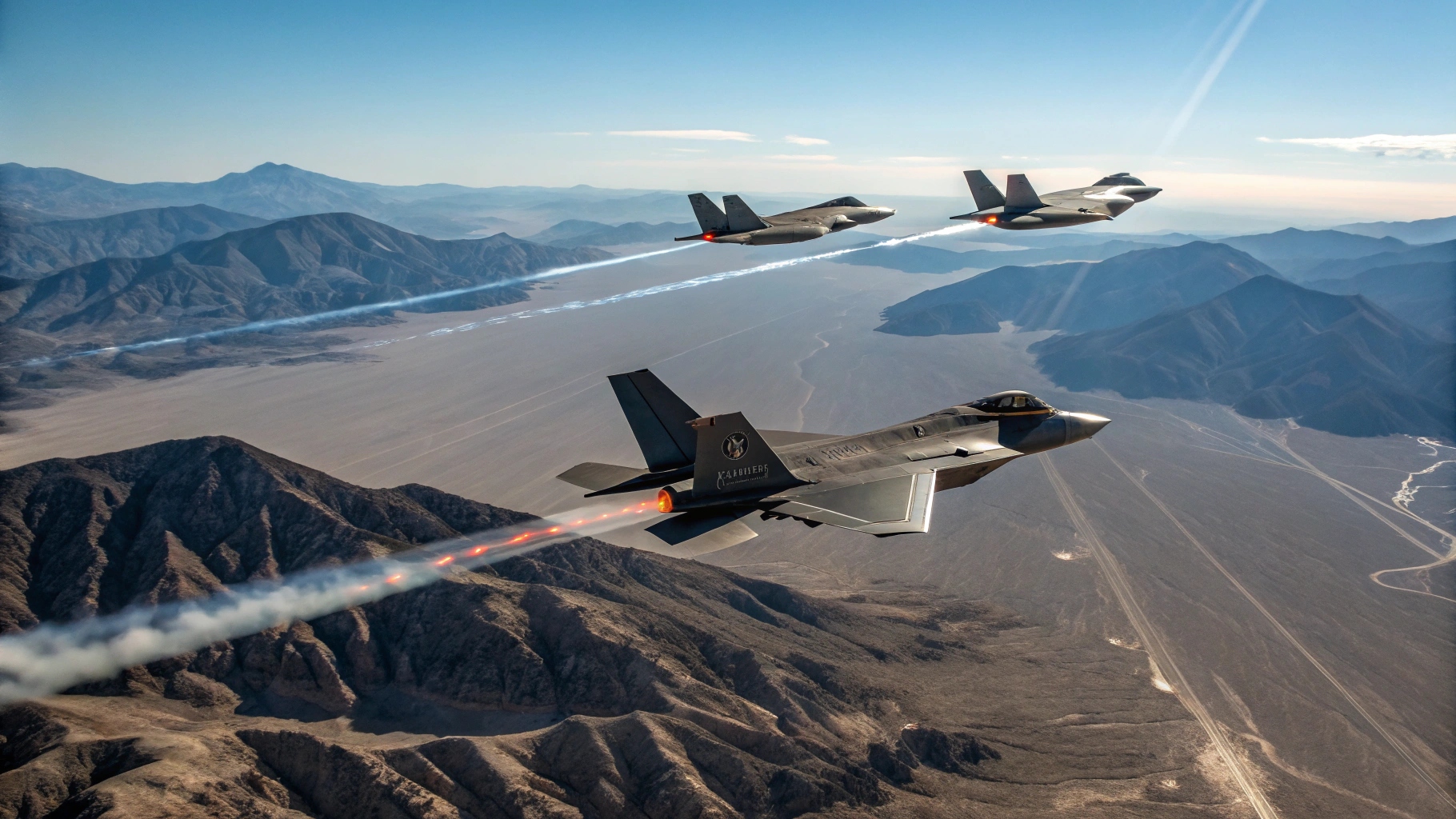
The Indian Ministry of Defence has reportedly indicated interest in engaging with Europe’s next-generation sixth-generation fighter programmes, marking a potential strategic shift in India’s long-term air combat planning. As outlined in recent briefings to parliamentary defence committees, this move reflects concerns within the Indian Air Force over maintaining technological parity in an era of rapidly evolving aerial warfare capabilities. The objective is to ensure access to platforms that exceed current fifth-generation fighters, including India’s AMCA programme, the American F-35, and Russia’s Su-57. Two major European initiatives are central to this consideration: the Global Combat Air Programme (GCAP), led by the United Kingdom, Italy, and Japan, and the Future Combat Air System (FCAS), led by France, Germany, and Spain. GCAP, evolving from the Tempest concept, appears more structurally stable, with clearer partnership alignment and fewer internal disputes. However, its workshare arrangements are already locked among core members, significantly limiting India’s ability to contribute meaningfully to development phases. Any involvement would likely be restricted to an eventual off-the-shelf acquisition rather than co-development. FCAS, on the other hand, faces deeper structural challenges, particularly disagreements between Dassault Aviation and Airbus Defence over industrial workshare distribution. These unresolved tensions have delayed progress and raised uncertainty regarding program timelines. For India, historical defence ties with France through Rafale acquisition make FCAS a logical consideration; however, the risk of delays or program fragmentation remains significant. Both GCAP and FCAS are targeting mid-2030s entry into service, but defence analysts caution that complex stealth and AI-integrated systems often experience extended development timelines. This raises concerns for India, which faces an immediate requirement to modernize its fighter fleet amid regional security pressures. At the same time, India’s indigenous AMCA programme remains central to its airpower strategy. Designed as a fifth-generation stealth platform tailored to national requirements, AMCA ensures sovereignty over design, production, and upgrades. Over-reliance on foreign sixth-generation programmes could potentially divert funding and delay domestic capability development. Emerging unmanned systems, including collaborative combat aircraft and drone swarms, may partially bridge capability gaps by enabling networked combat operations without full dependence on manned sixth-generation fighters. Ultimately, India’s interest in GCAP and FCAS reflects a balancing act between immediate operational requirements, long-term technological access, and strategic autonomy in defence development.