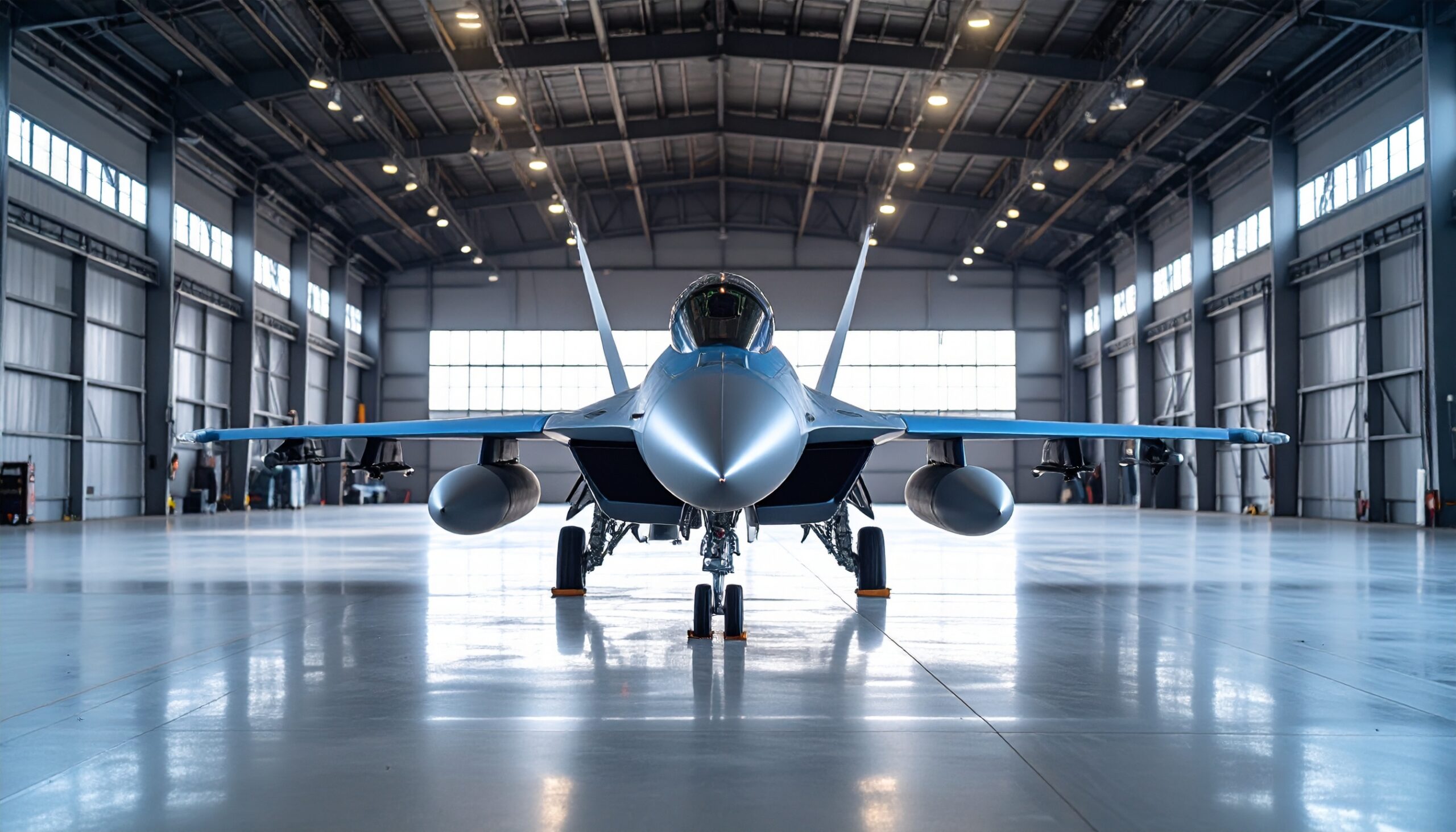
India’s Advanced Medium Combat Aircraft (AMCA) MkII is being developed as a 5.5-generation stealth fighter featuring advanced artificial intelligence systems, including an AI-based “E-Pilot” designed to function as a digital mission assistant. While the programme is fully indigenous under the Aeronautical Development Agency (ADA), growing India–France defence cooperation may support technological alignment in areas such as avionics, AI integration, and network-centric warfare. The E-Pilot system is designed to act as a cognitive assistant rather than replacing the human pilot. It will process large volumes of sensor data in real time, enabling faster decision-making during combat. Key functions include sensor fusion, threat identification, target prioritization, and mission management. This reduces pilot workload in high-intensity environments and improves reaction speed. The AMCA MkII integrates multiple onboard sensors, including AESA radar, infrared search and track systems, and electronic warfare suites. The E-Pilot fuses this data into a unified battlefield picture, enhancing situational awareness. The aircraft is also designed around network-centric warfare principles, enabling secure data exchange with command centres, naval platforms, airborne early warning systems, and other fighters. This creates a “combat cloud” ecosystem similar to emerging sixth-generation fighter concepts. India’s cooperation with France under the Innovation Roadmap 2030 may contribute to areas such as AI mission computing, advanced propulsion, and integrated avionics. French experience from Rafale upgrades and future combat systems could complement India’s indigenous development efforts. Both nations are moving toward system-of-systems warfare, where manned aircraft operate alongside drones, sensors, and command networks. The AMCA is expected to integrate with unmanned “loyal wingman” drones for reconnaissance, electronic warfare, and strike support missions. The AI-assisted E-Pilot will coordinate these assets in real time. Importantly, the AMCA programme is not dependent on foreign technology for AI integration, but international collaboration could accelerate development timelines and improve system maturity. The long-term goal is to position AMCA as a central node in a fully networked battlefield ecosystem.