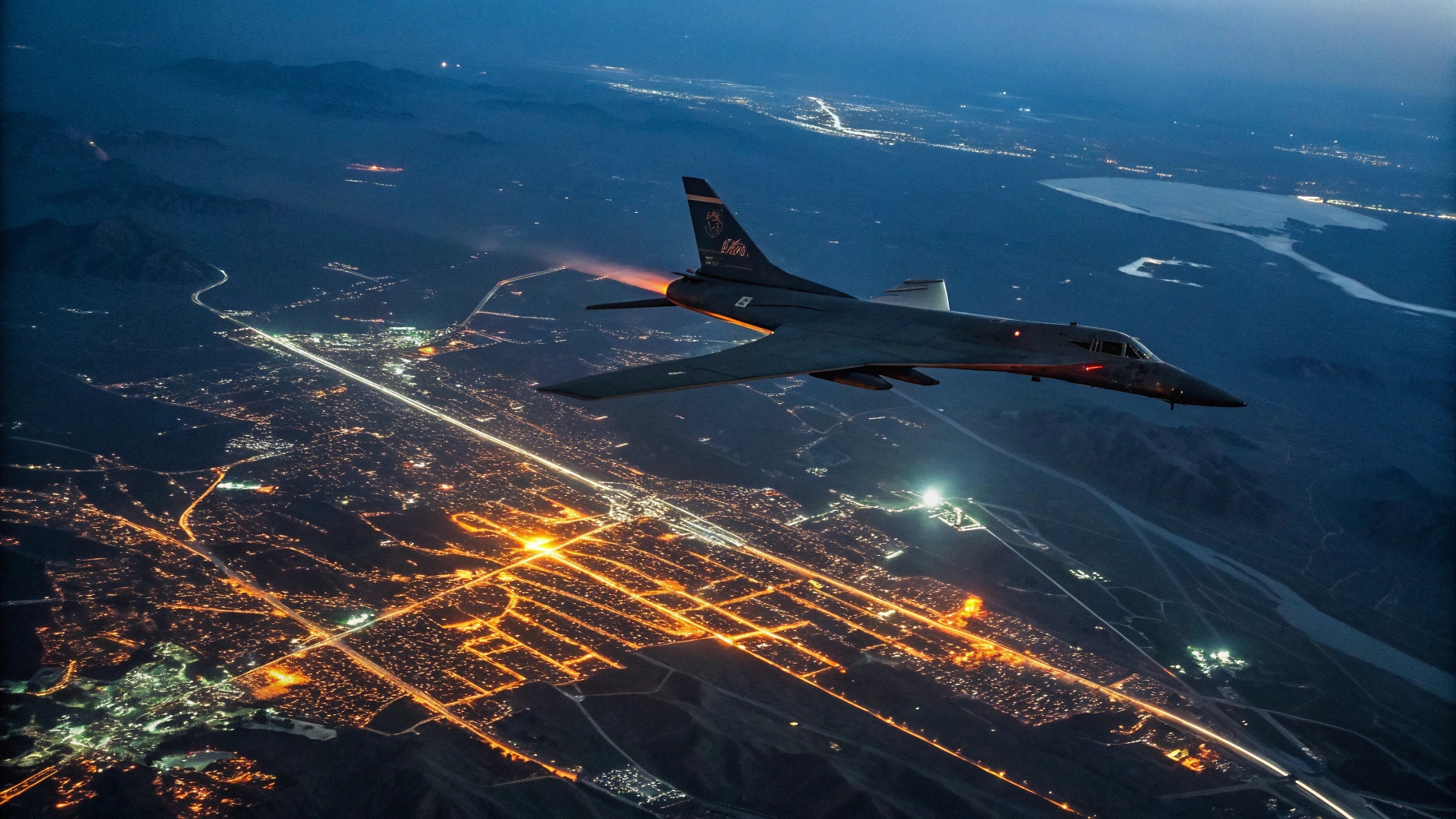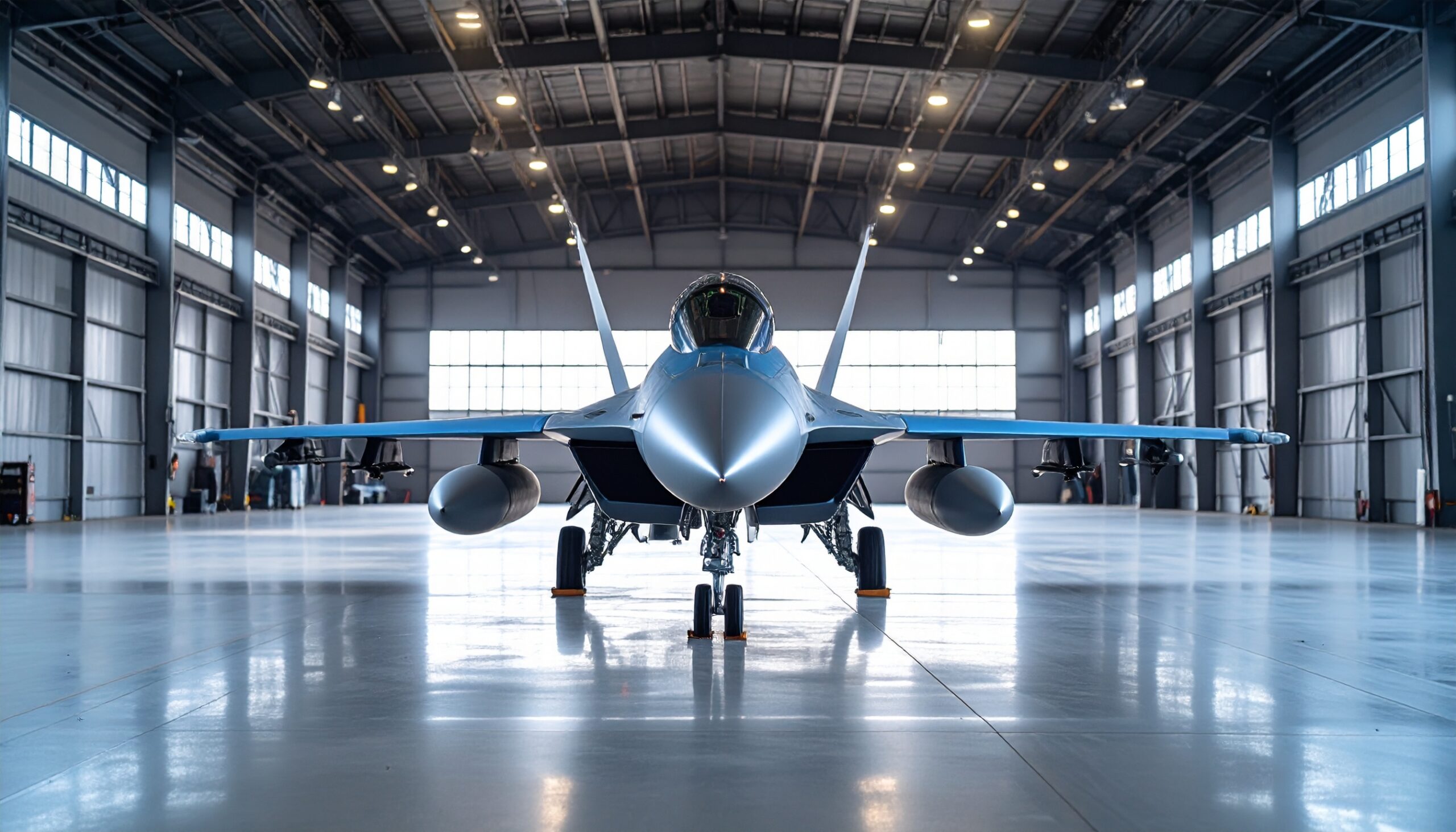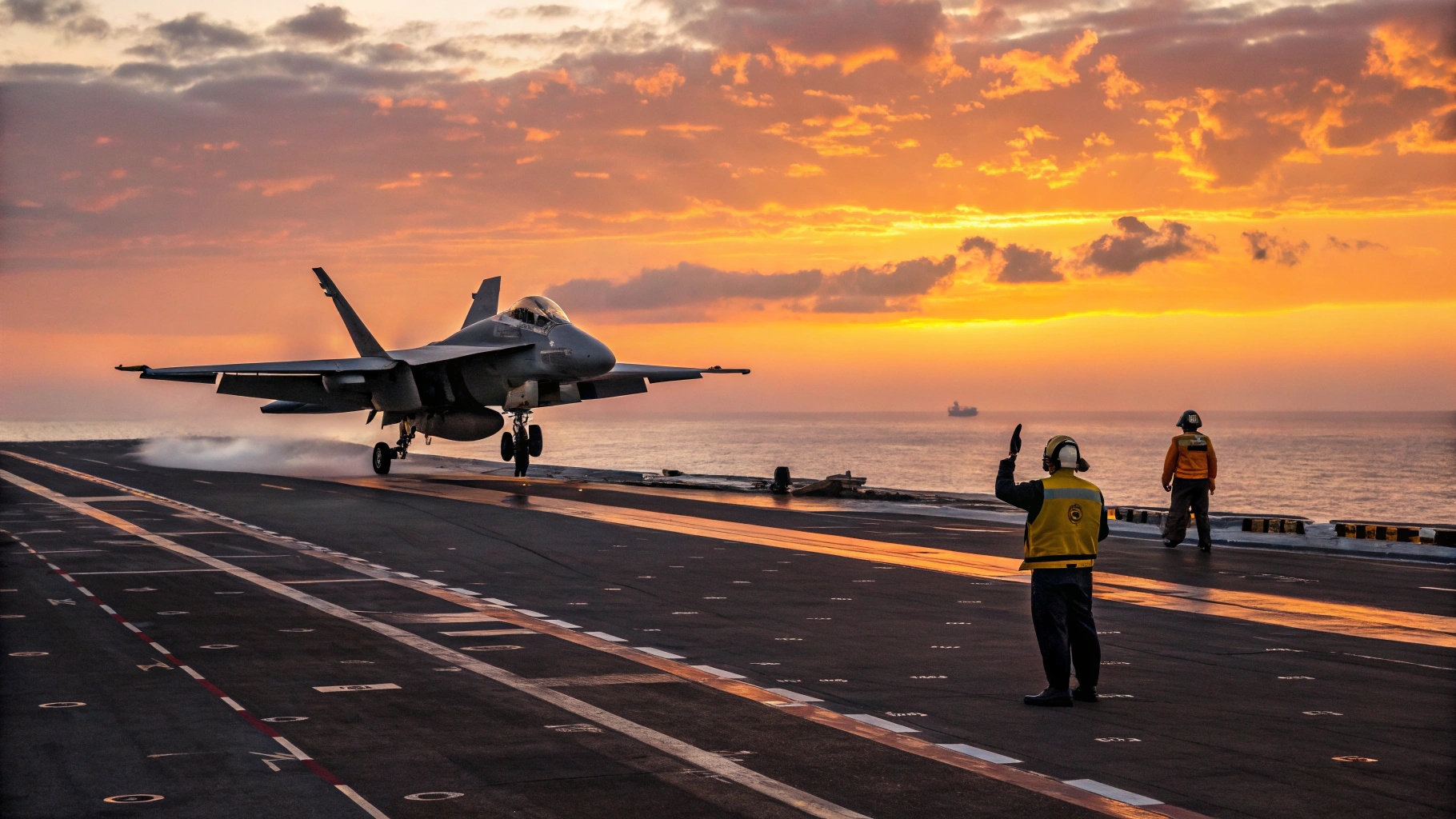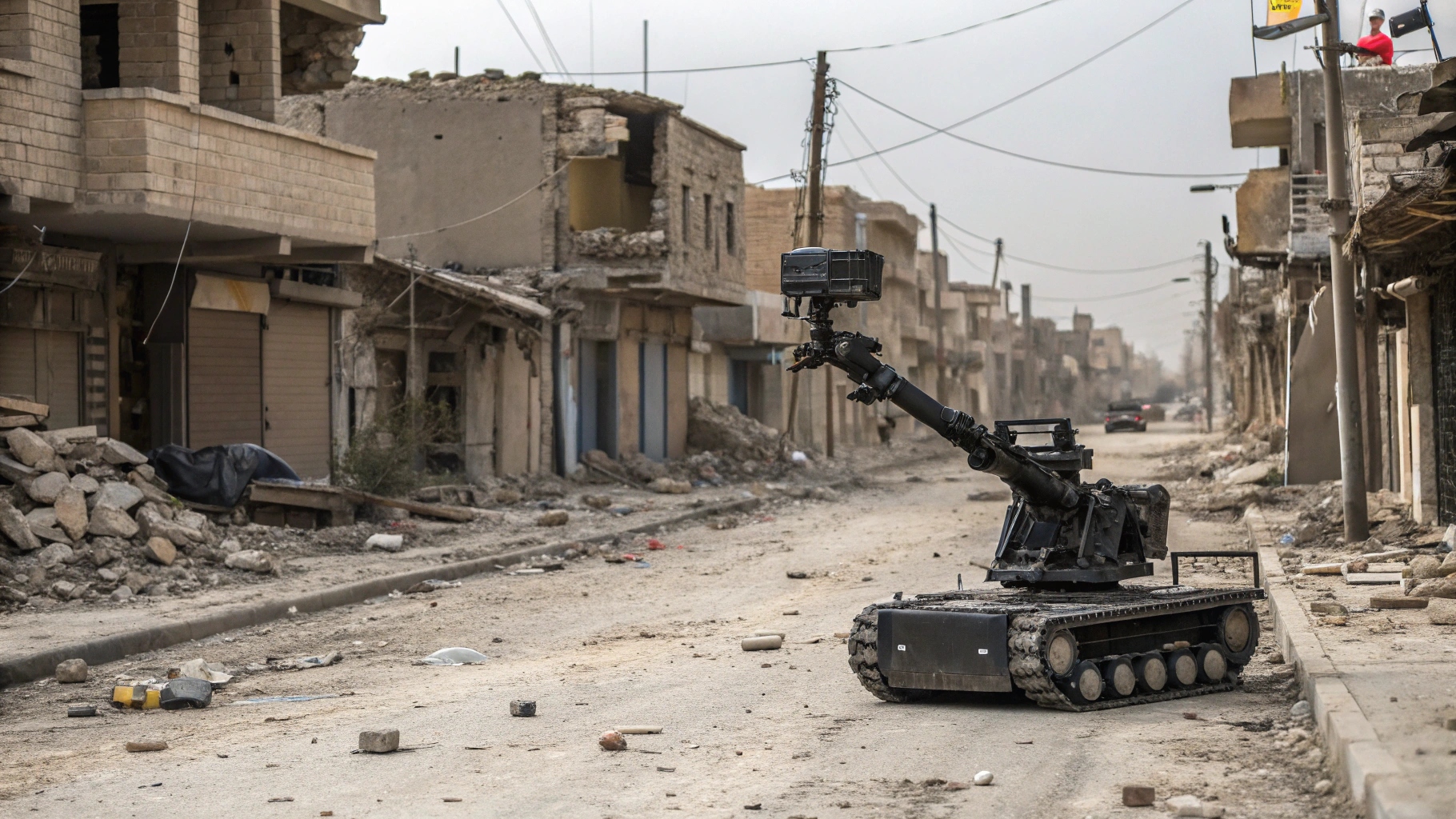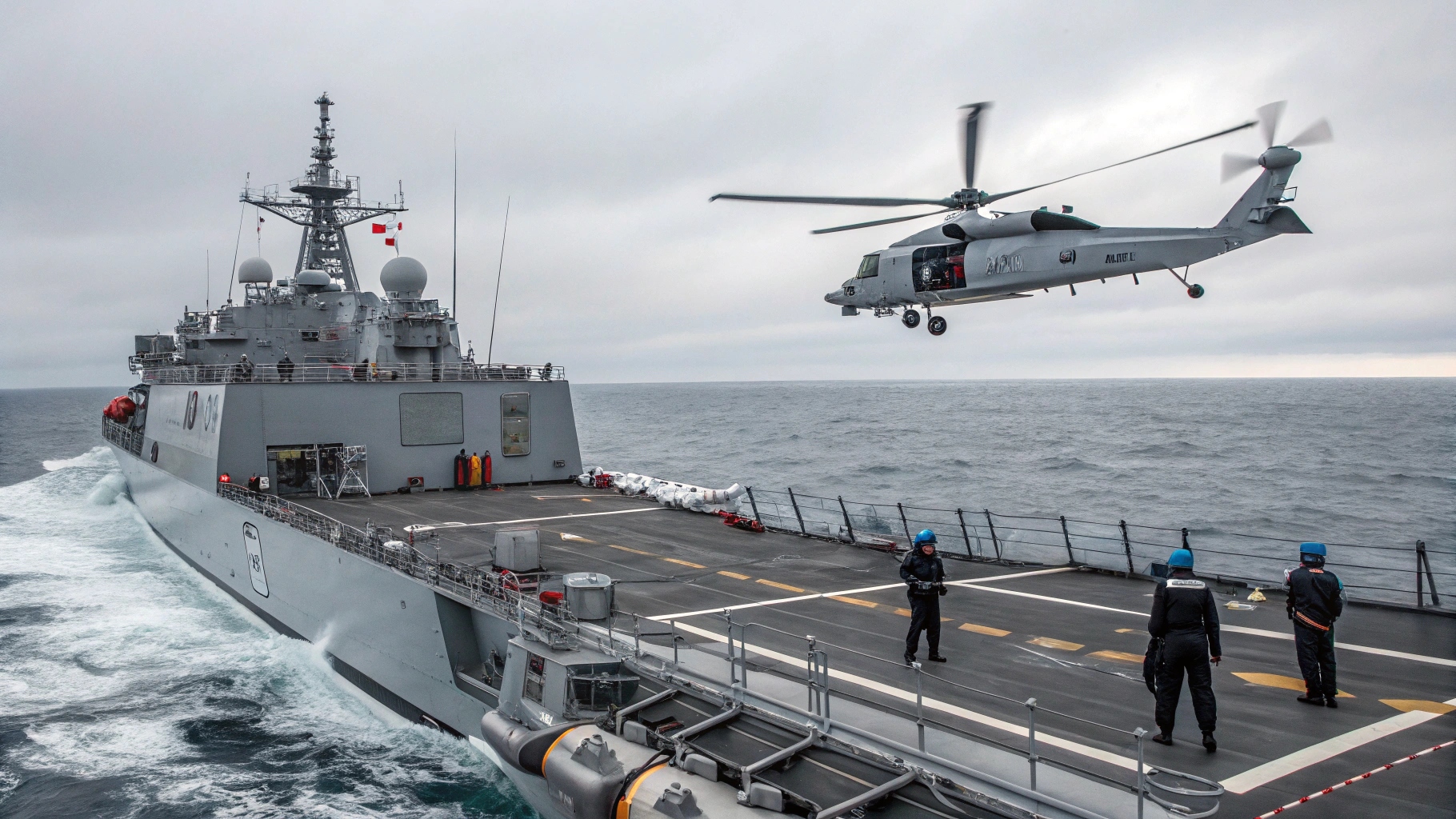
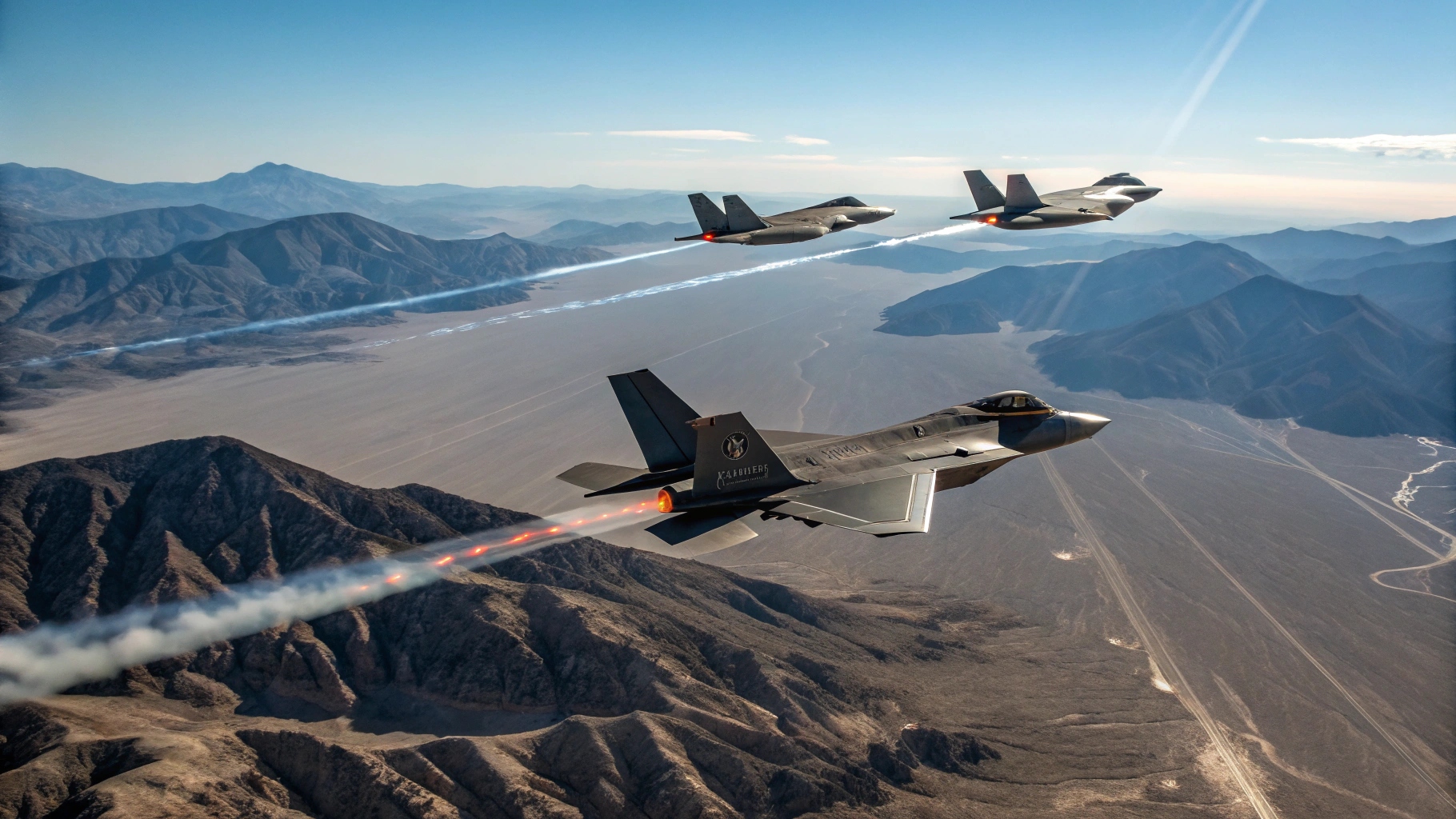
A critical yet often under-discussed dimension of India’s defence modernization is the rapid evolution toward autonomous combat artificial intelligence, particularly in drone warfare, machine-speed targeting, and networked battlefield coordination. While platforms such as AMCA, Tejas Mk2, and the Ghatak UCAV attract significant attention, the foundational transformation is occurring in the software layer that enables autonomous combat decision-making. Modern autonomous combat AI extends far beyond conventional autopilot functions. Future systems are expected to independently detect and evade threats, prioritize targets, coordinate multi-drone formations, manage electronic warfare responses, and continuously adapt to dynamic battlefield conditions. These capabilities represent a shift from remotely piloted systems to fully collaborative autonomous combat entities. The necessity for such systems arises from the increasing complexity of modern warfare environments. Future air battles will involve dense networks of sensors, missiles, electronic warfare systems, and multiple unmanned platforms operating simultaneously. Human operators alone cannot process such volumes of data in real time, making AI-driven decision support essential. Globally, major military powers are investing heavily in this domain. The United States is developing Collaborative Combat Aircraft (CCA) programs and autonomous dogfighting AI through DARPA initiatives. China is advancing “intelligentized warfare” concepts involving AI-driven swarm tactics and autonomous coordination. Russia and Turkey are also developing machine-learning-enabled targeting and drone cooperation systems. India is progressing through initiatives such as HAL’s CATS programme and indigenous swarm drone development, both of which rely on autonomous coordination, route optimization, and distributed targeting logic. These systems indicate a gradual shift toward machine-speed warfare, where AI compresses decision cycles from seconds to milliseconds. Future capabilities may include autonomous missile evasion, AI-based threat prioritization, and coordinated electronic warfare operations. Swarm warfare is expected to become a defining feature, where multiple drones share sensor data and execute cooperative attack strategies. The loyal wingman concept will further integrate manned and unmanned platforms, allowing a single pilot to control multiple autonomous drones performing reconnaissance, strike, and jamming roles. India’s focus on indigenous mission systems and secure datalinks is crucial for ensuring sovereign control over combat AI. Without such autonomy, reliance on foreign software ecosystems could create operational vulnerabilities. Ultimately, future air superiority may depend less on platform superiority and more on algorithmic dominance and real-time data processing capability.