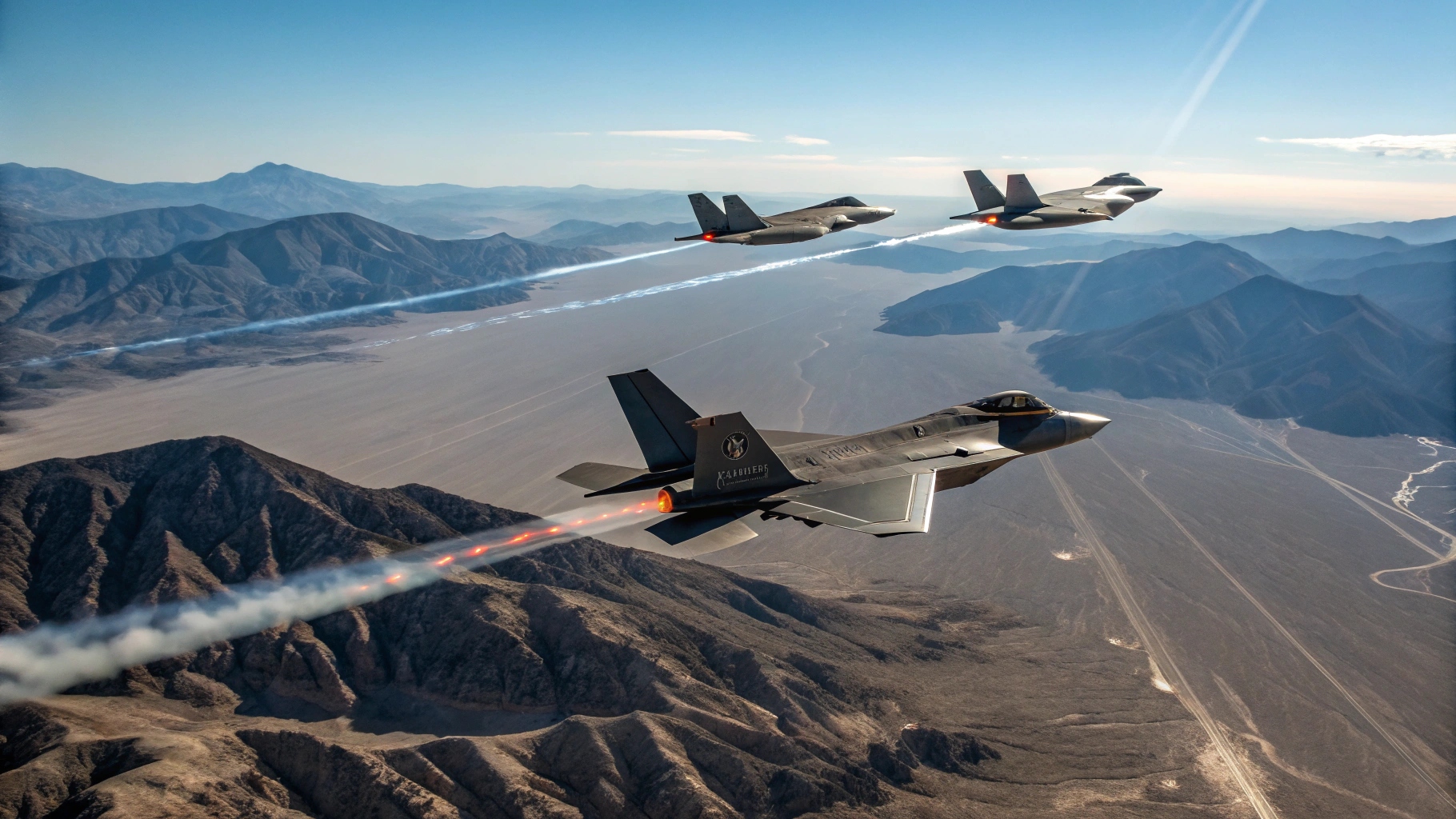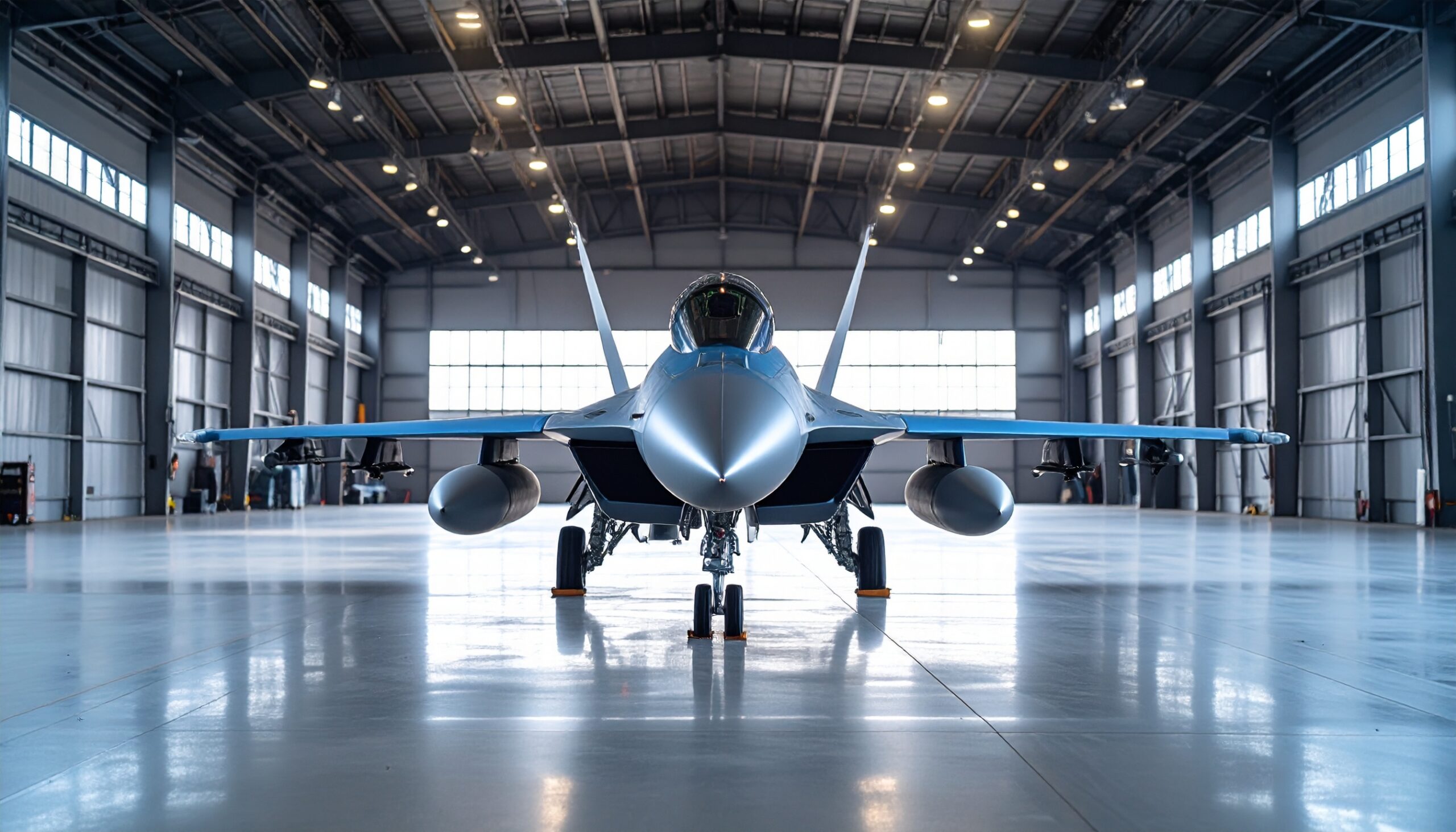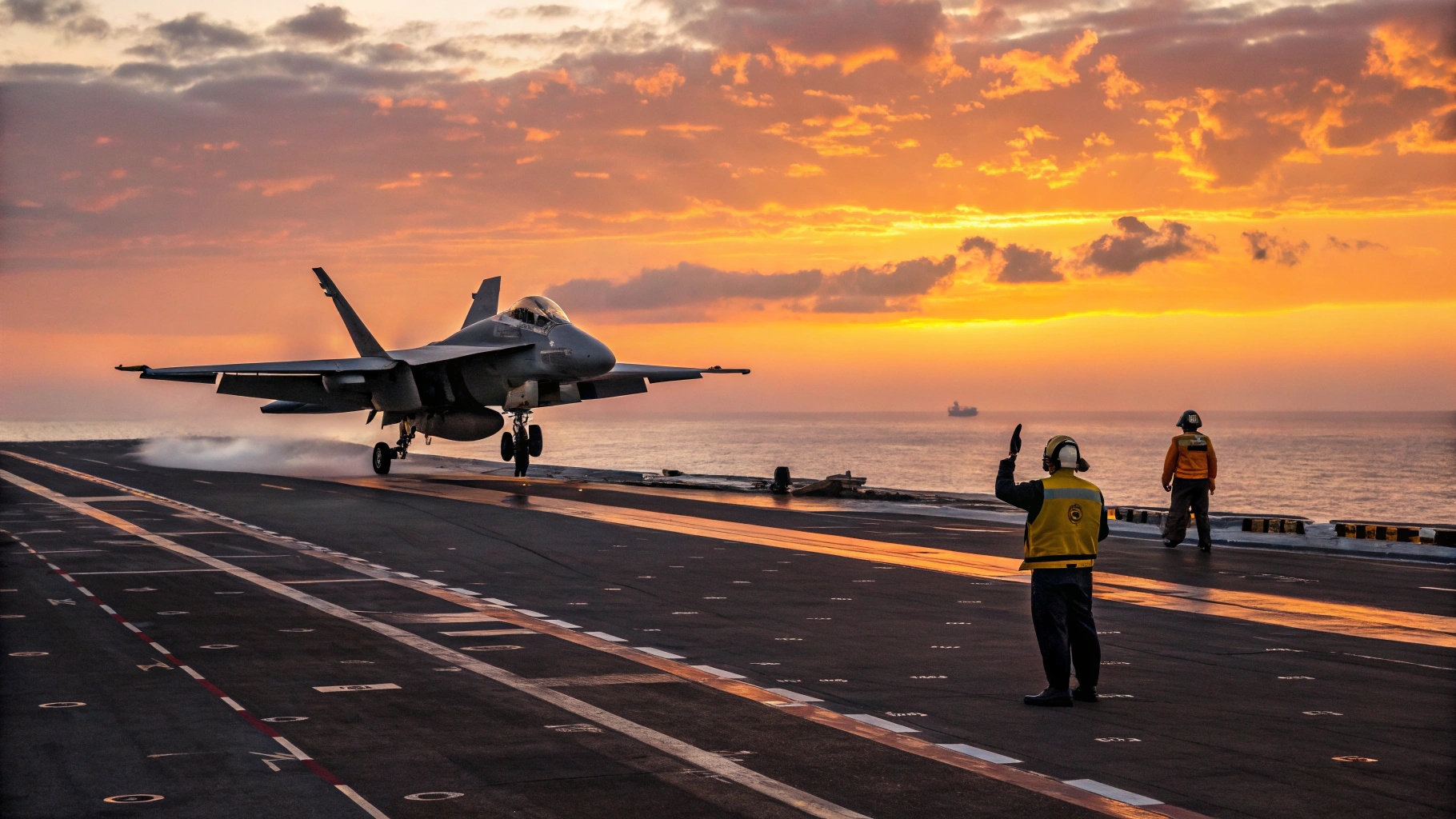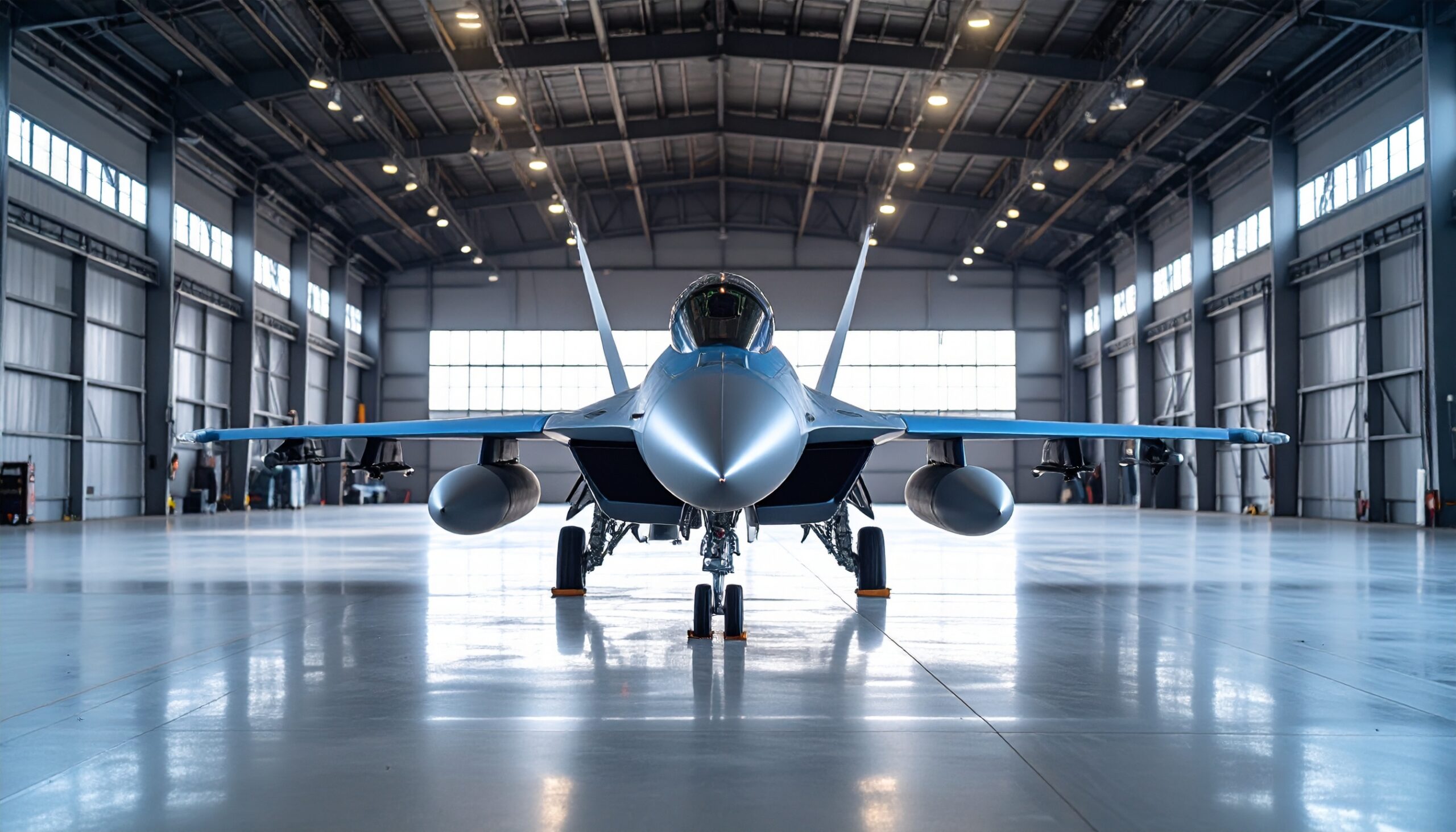
The Eurofighter Typhoon is a twin-engine, multirole combat aircraft developed to meet the evolving demands of modern air warfare, where flexibility across mission types is essential. Designed as a collaborative European defence programme, it remains one of the continent’s most capable frontline fighters, optimized for both air superiority and precision strike operations. The programme originated in the 1980s when several European air forces sought to replace aging Cold War-era platforms with a next-generation fighter capable of countering advanced Soviet aircraft. Following extensive studies between 1983 and 1986, the Eurofighter consortium was formally established in 1986 by the United Kingdom, Germany, Italy, and Spain. The first prototype flew in 1994, with operational service beginning in 2003. Since then, continuous upgrades have expanded its radar, avionics, and weapons systems. The Typhoon’s design prioritizes agility and air dominance. Its aerodynamic configuration allows high maneuverability, sustained supersonic flight under certain conditions, and strong performance in both high and low-altitude engagements. It is particularly effective in rapid interception roles, where quick response and climb performance are critical. The aircraft integrates advanced systems including Captor-E AESA radar (in upgraded variants), sensor fusion technology, digital fly-by-wire controls, and helmet-mounted targeting systems. These features allow pilots to track and engage multiple threats simultaneously with high precision. The Typhoon is also designed for network-centric warfare, enabling data sharing across platforms. Strengths include superior air-to-air combat capability, strong upgrade potential, and proven operational performance across multiple theatres. However, it faces limitations such as higher operating costs compared to lighter fighters, limited stealth characteristics compared to fifth-generation aircraft, and complexity in multinational logistics. Operationally, the Typhoon is widely used in NATO air policing missions, including Baltic Air Policing and Quick Reaction Alert duties. Export operators include Saudi Arabia and Qatar, which use the aircraft for air defence, deterrence, and strike missions. Saudi Arabia has also deployed it in combat operations, including missions in Yemen. Qatar’s acquisition supports interoperability with Western allies and regional air defence modernization. Looking ahead, the Typhoon will remain in service well into the 2030s as sixth-generation systems under the Global Combat Air Programme (GCAP) are developed. Ongoing upgrades include AESA radar integration, Meteor missile capability, and enhanced NATO network connectivity, ensuring continued relevance in modern air combat.