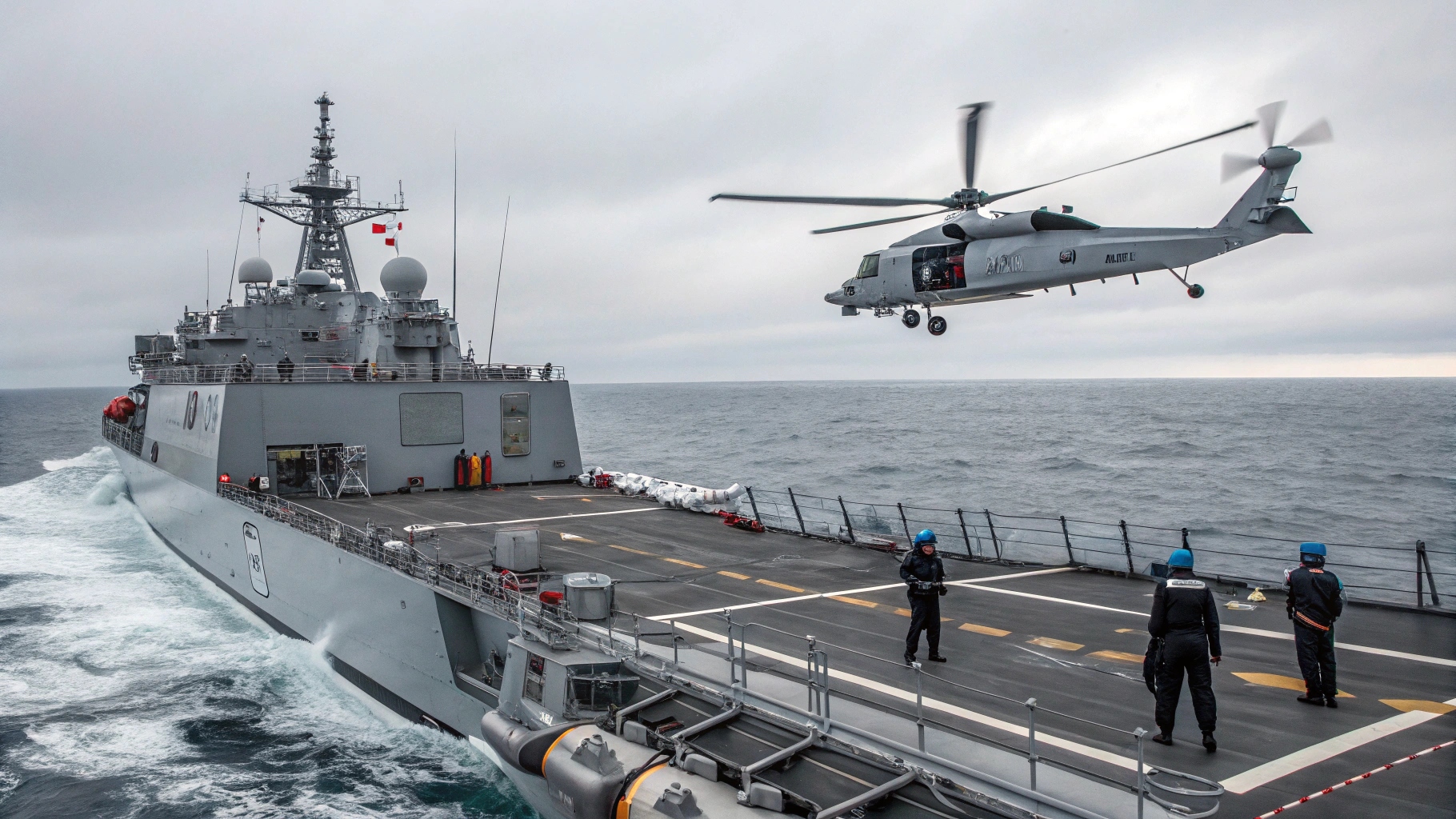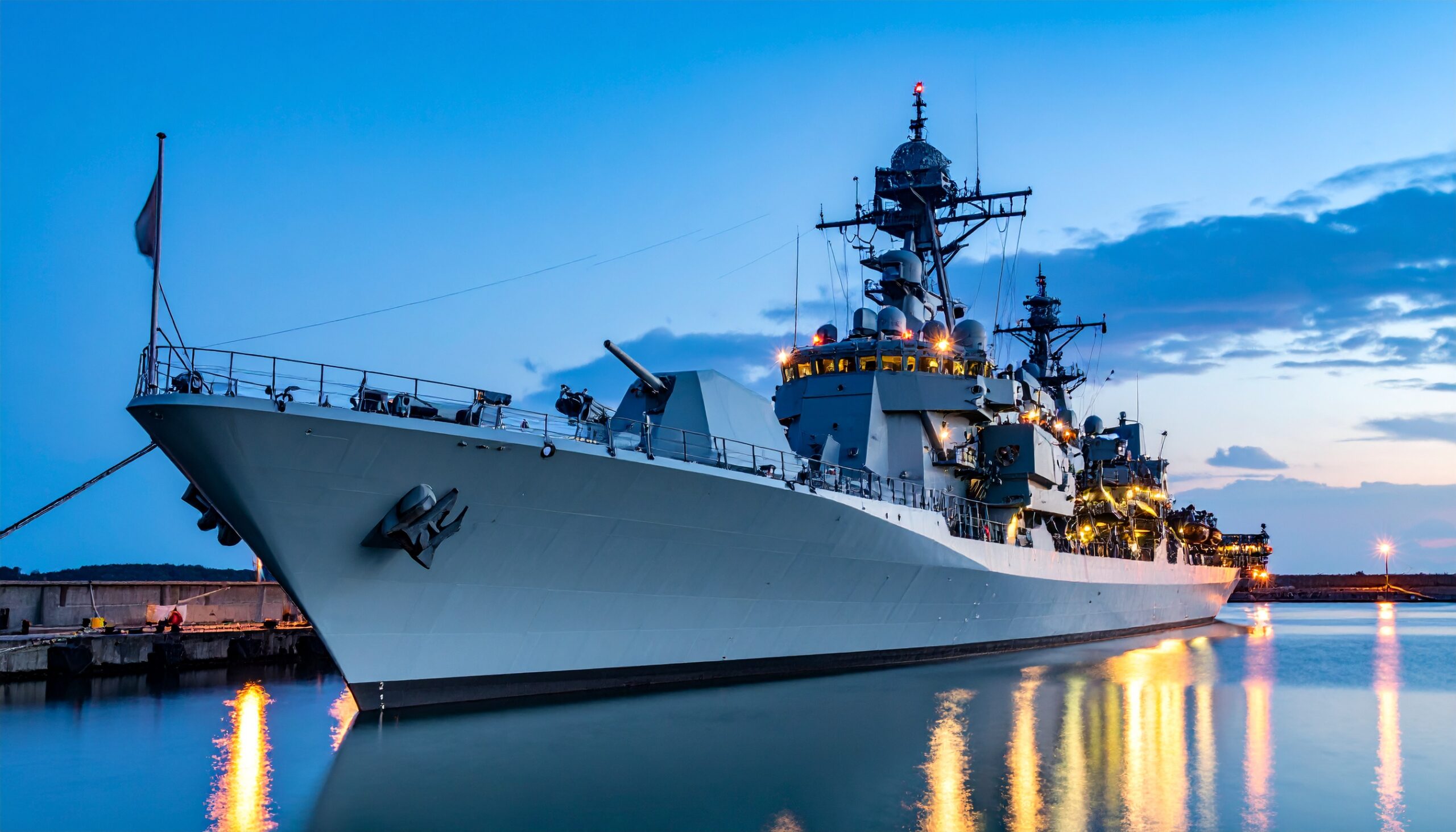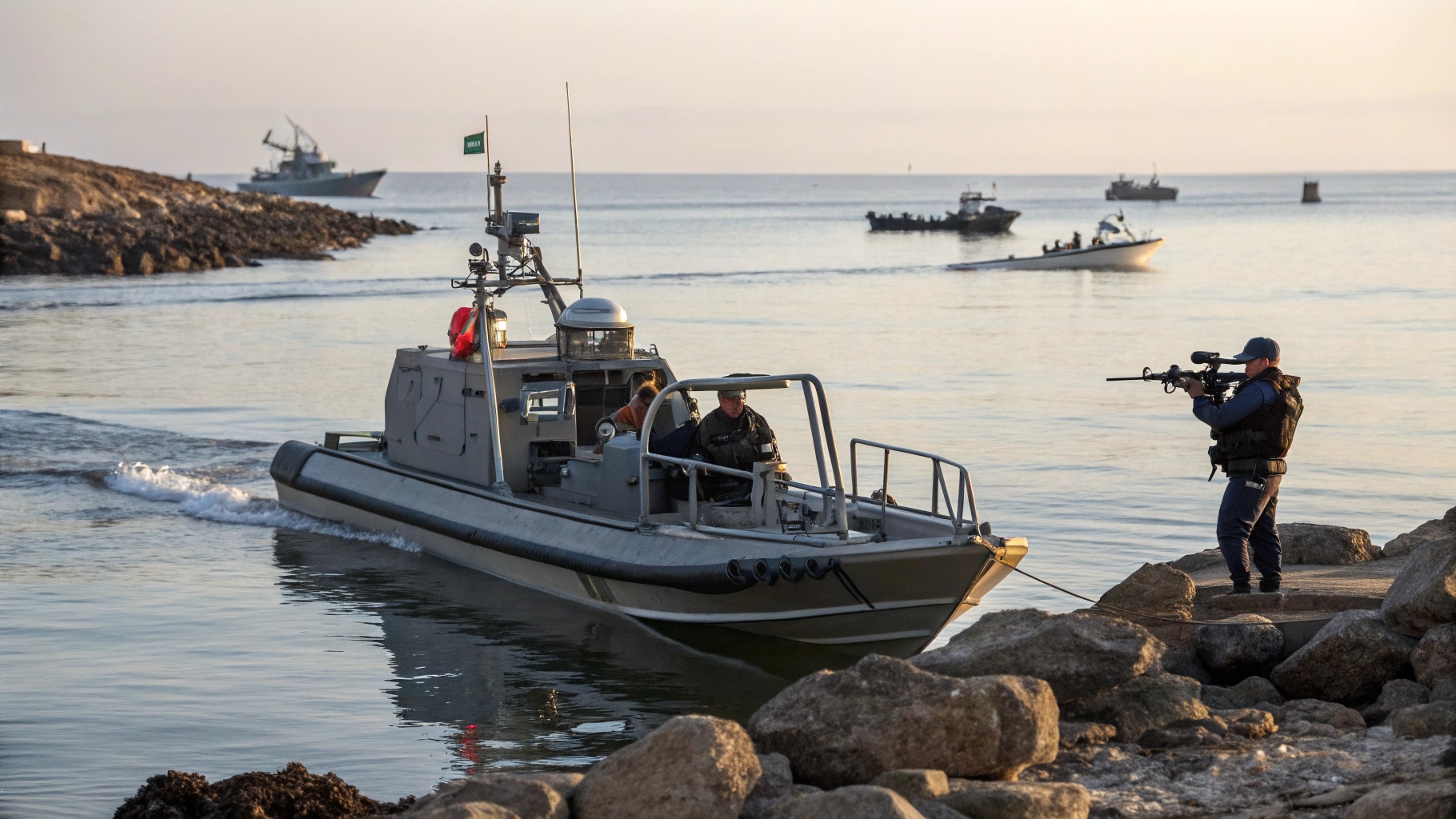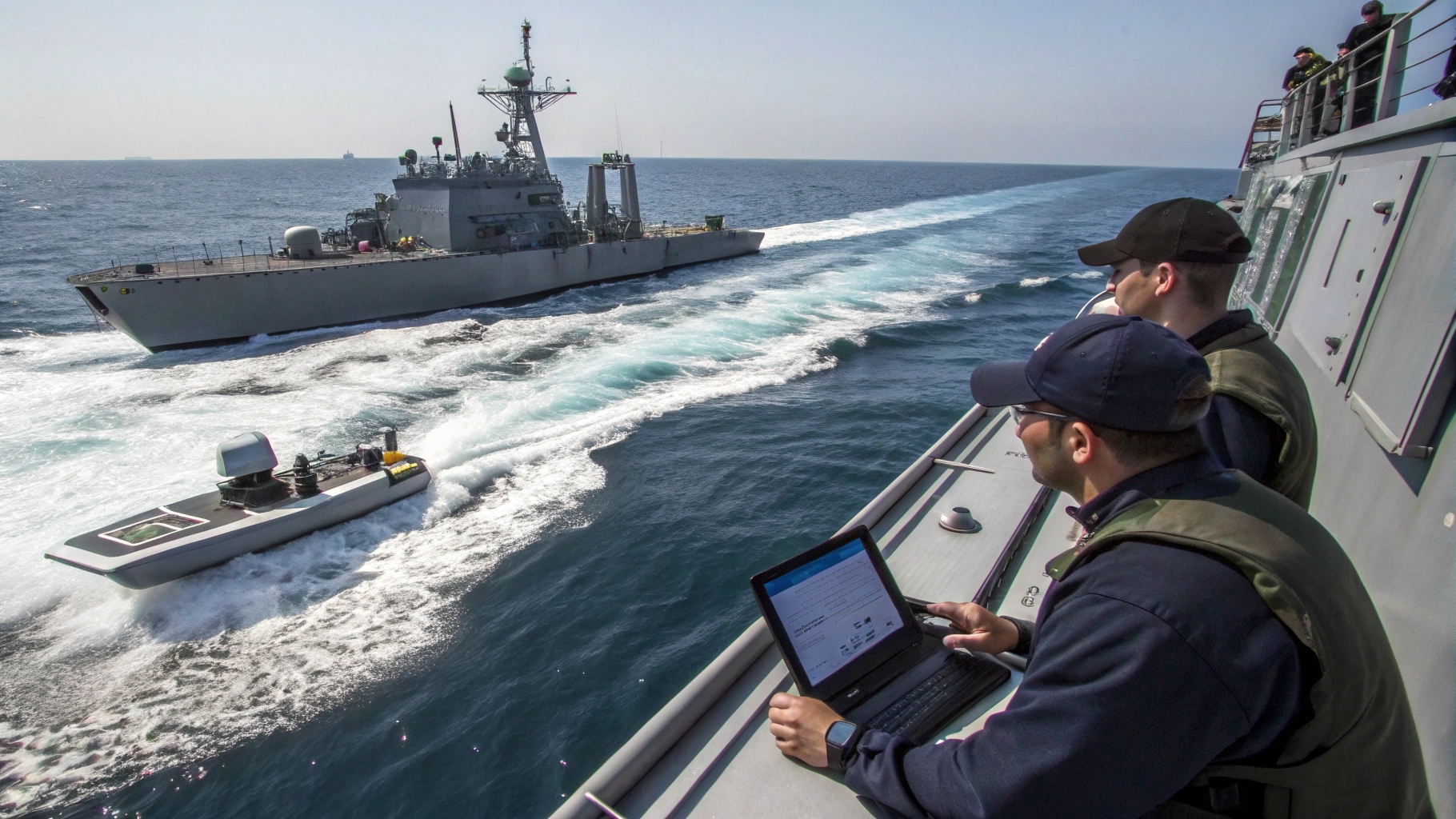
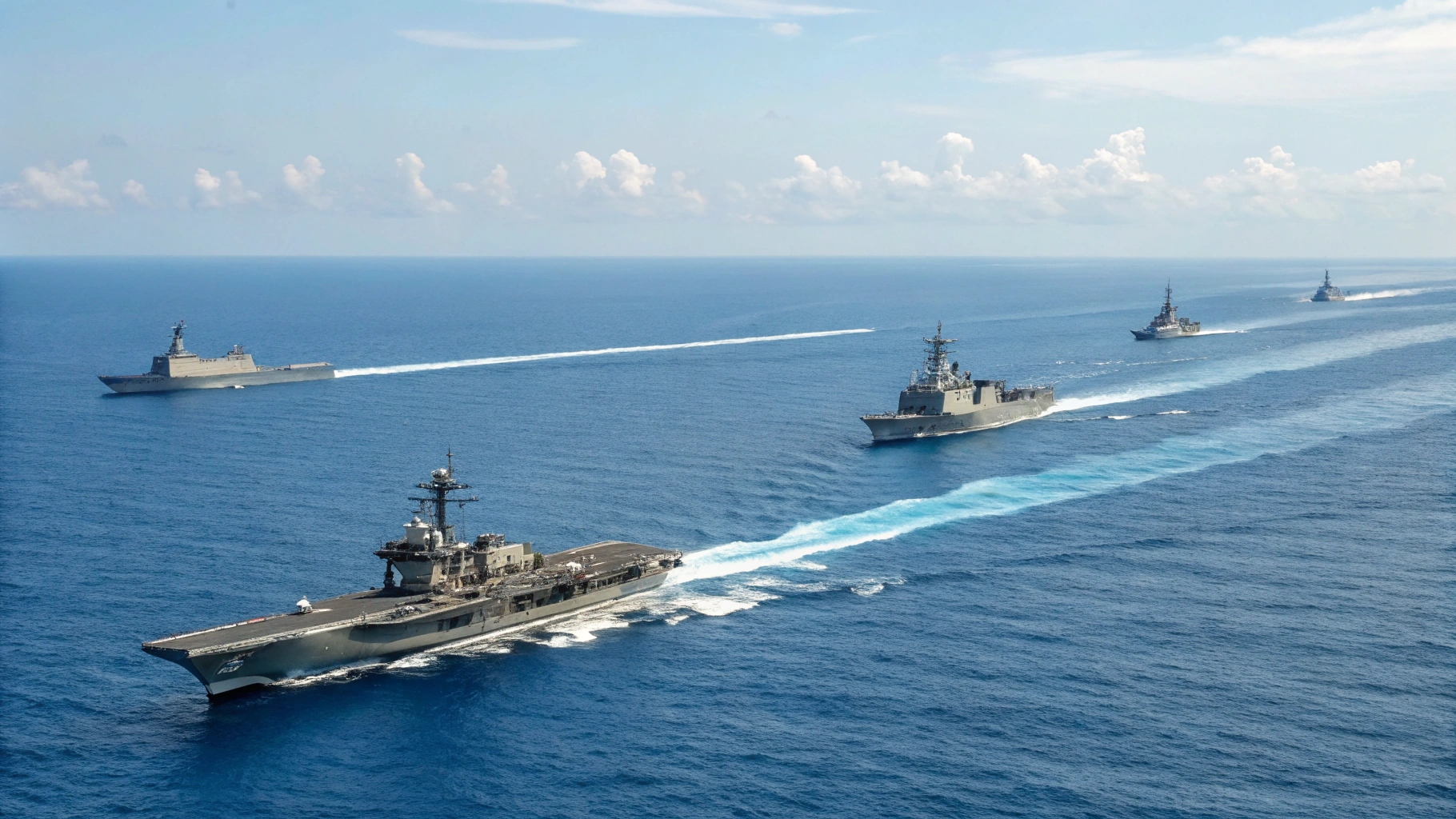
The Indian Navy is preparing to commission INS Samarthak and INS Mangrol, strengthening indigenous weapons testing and coastal anti-submarine warfare capabilities. The move comes amid increased underwater activity across the Indian Ocean region and Pakistan’s expansion of its submarine fleet through Chinese-origin Hangor-class submarines. INS Samarthak, built by Larsen & Toubro, is the Navy’s first Multi-Purpose Vessel and lead ship of a two-vessel class. It is primarily designed as a trials and evaluation platform for indigenous weapons, sensors and anti-submarine systems. The vessel can support torpedo testing, target deployment and recovery, unmanned-system trials and other underwater warfare evaluations. This allows frontline warships to remain focused on operational missions. Samarthak will also undertake surveillance, offshore patrol, humanitarian assistance, disaster relief and pollution-response operations. INS Mangrol, meanwhile, is the third Mahe-class Anti-Submarine Warfare Shallow Water Craft built by Cochin Shipyard. It will be the seventh vessel from a planned 16-ship class. Mangrol is designed to detect and engage submarines operating in coastal waters and is equipped with indigenous underwater sensors, lightweight torpedoes, anti-submarine rockets and torpedo decoys. It also has mine-laying capability. The vessel will improve protection for naval and commercial assets along the Indian coastline. India nevertheless faces an underwater capability gap because Pakistan’s Hangor-class submarines are expected to use Air Independent Propulsion, while India has not yet fielded an operational submarine with indigenous AIP. Project-75I submarines are planned to receive AIP from the outset, while INS Khanderi is expected to become the first Indian submarine fitted with DRDO’s indigenous fuel-cell-based AIP after integration and trials. The commissioning of Samarthak and Mangrol forms part of a wider naval modernization effort, with the Navy targeting the induction of 18 warships during the year. The Defence Acquisition Council has also given in-principle approval for 74 additional naval platforms, including nine submarines. India currently operates roughly 145 warships and aims to expand the fleet toward 200 over the coming decade.