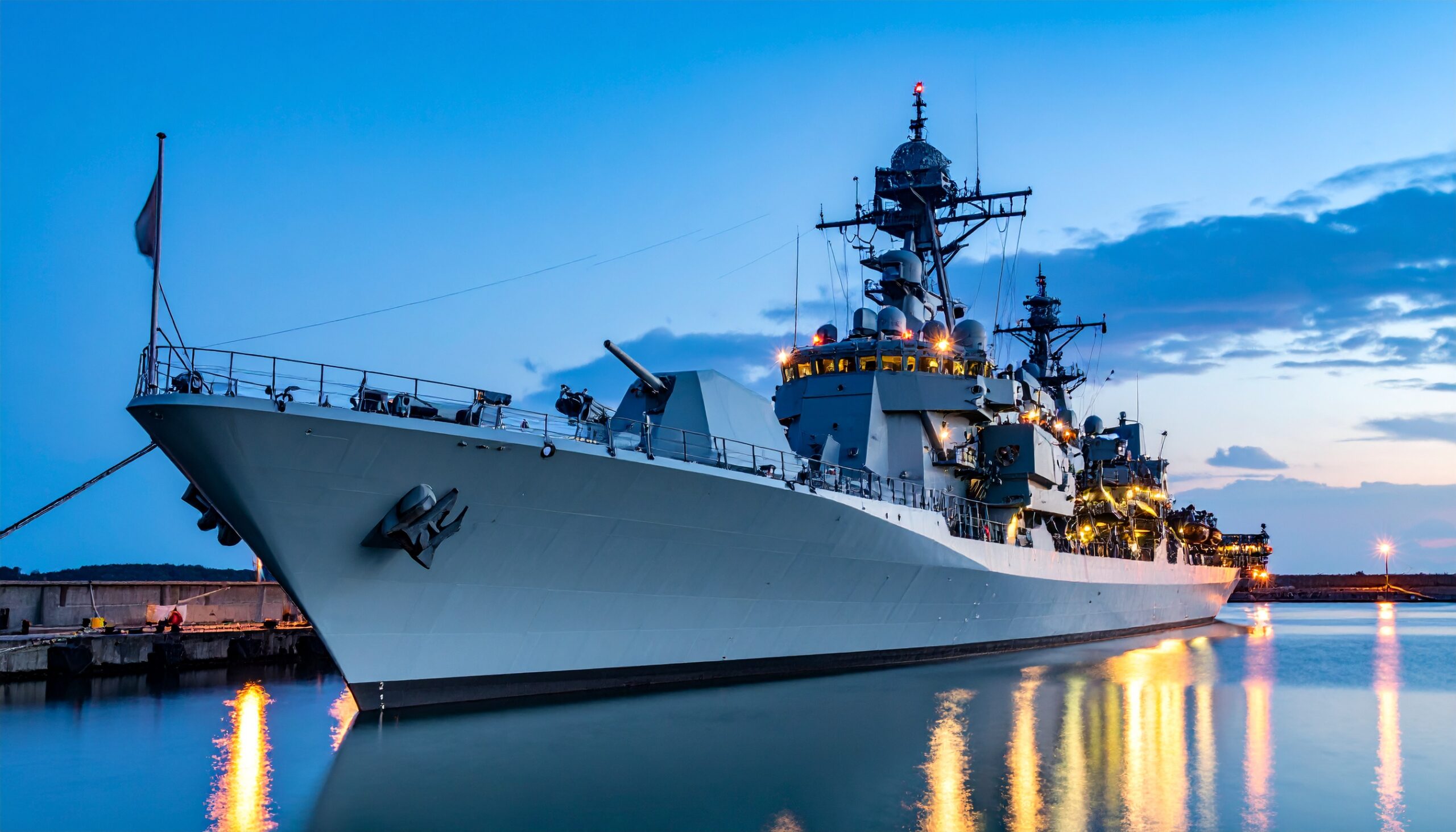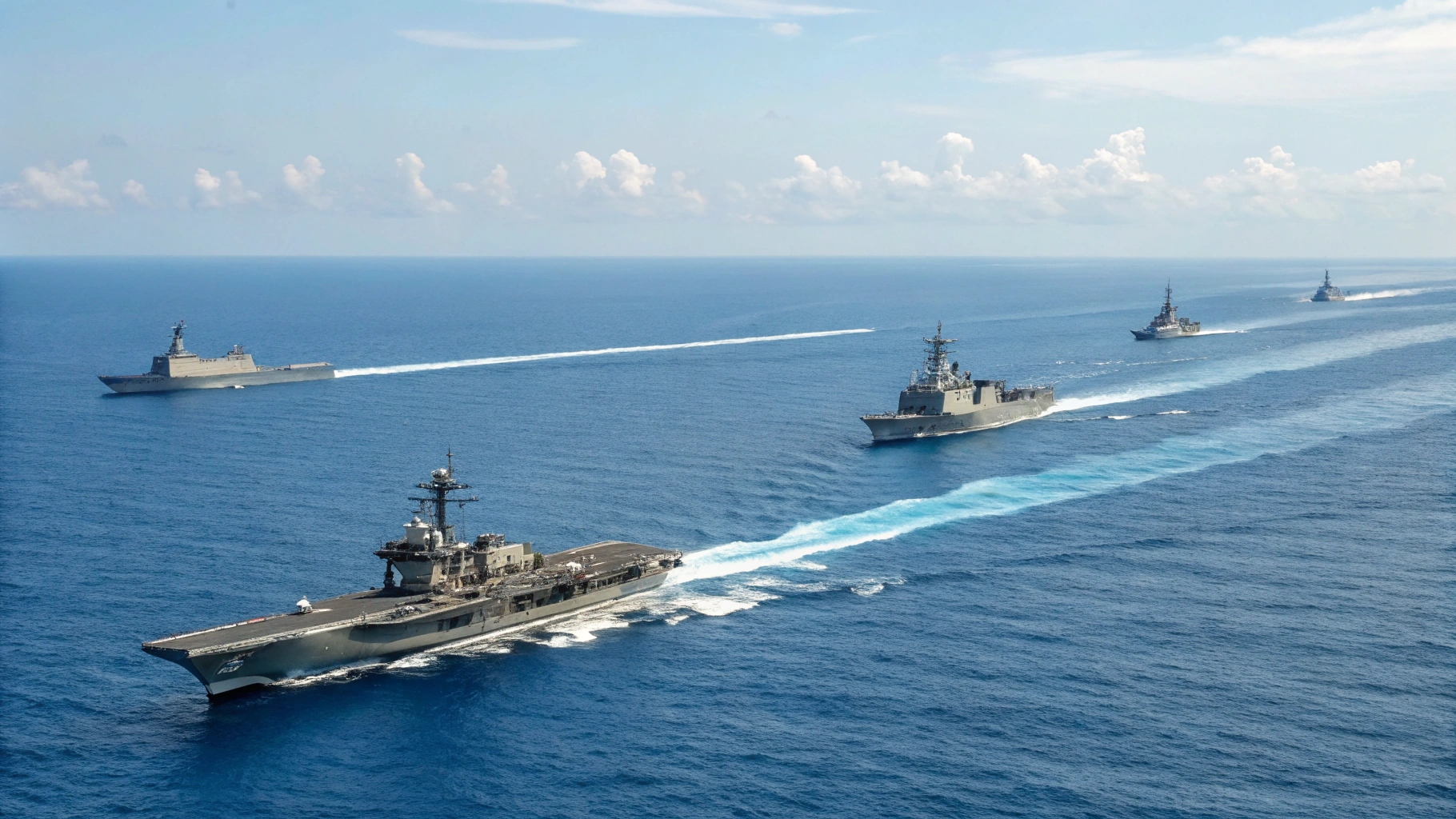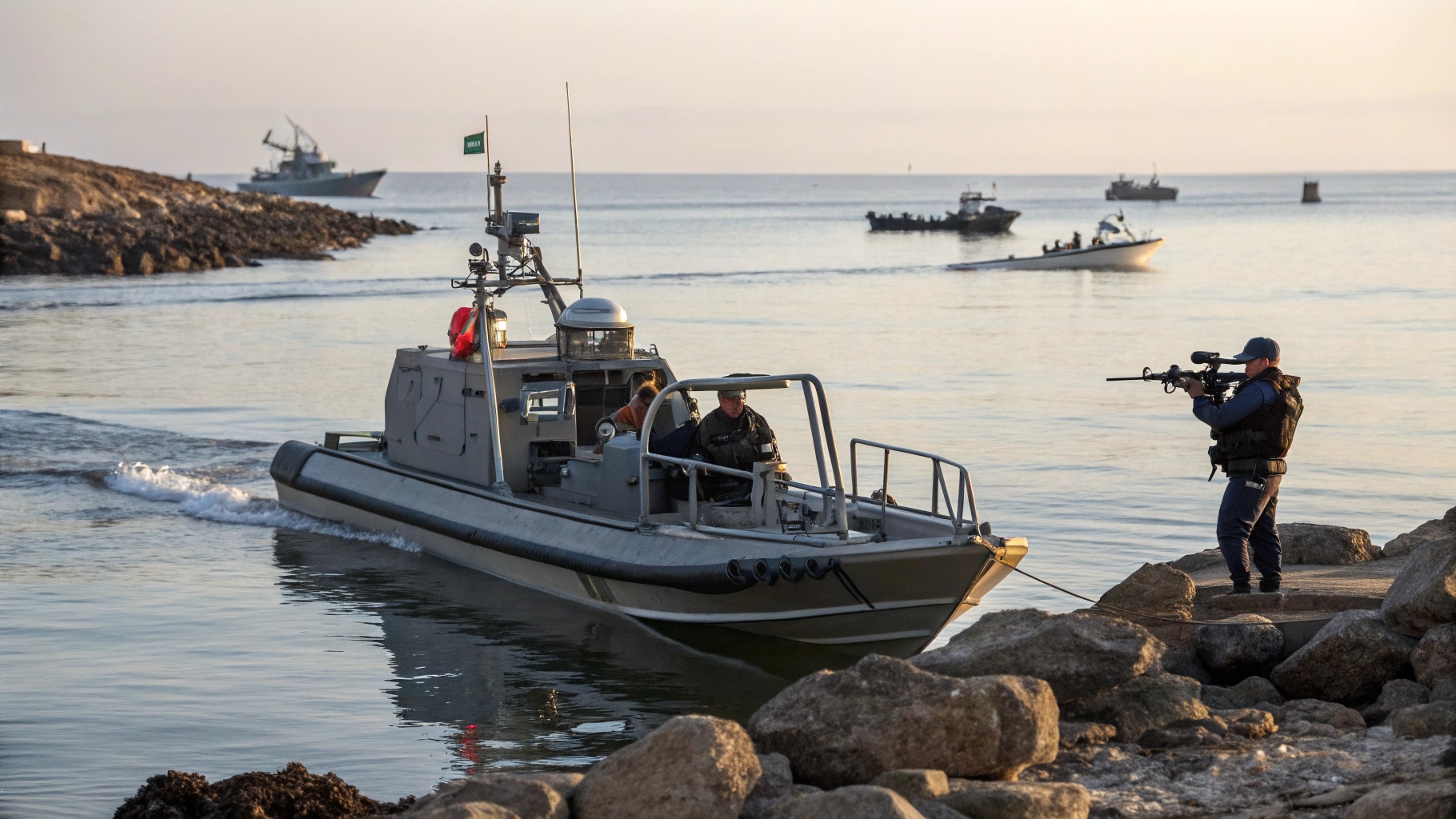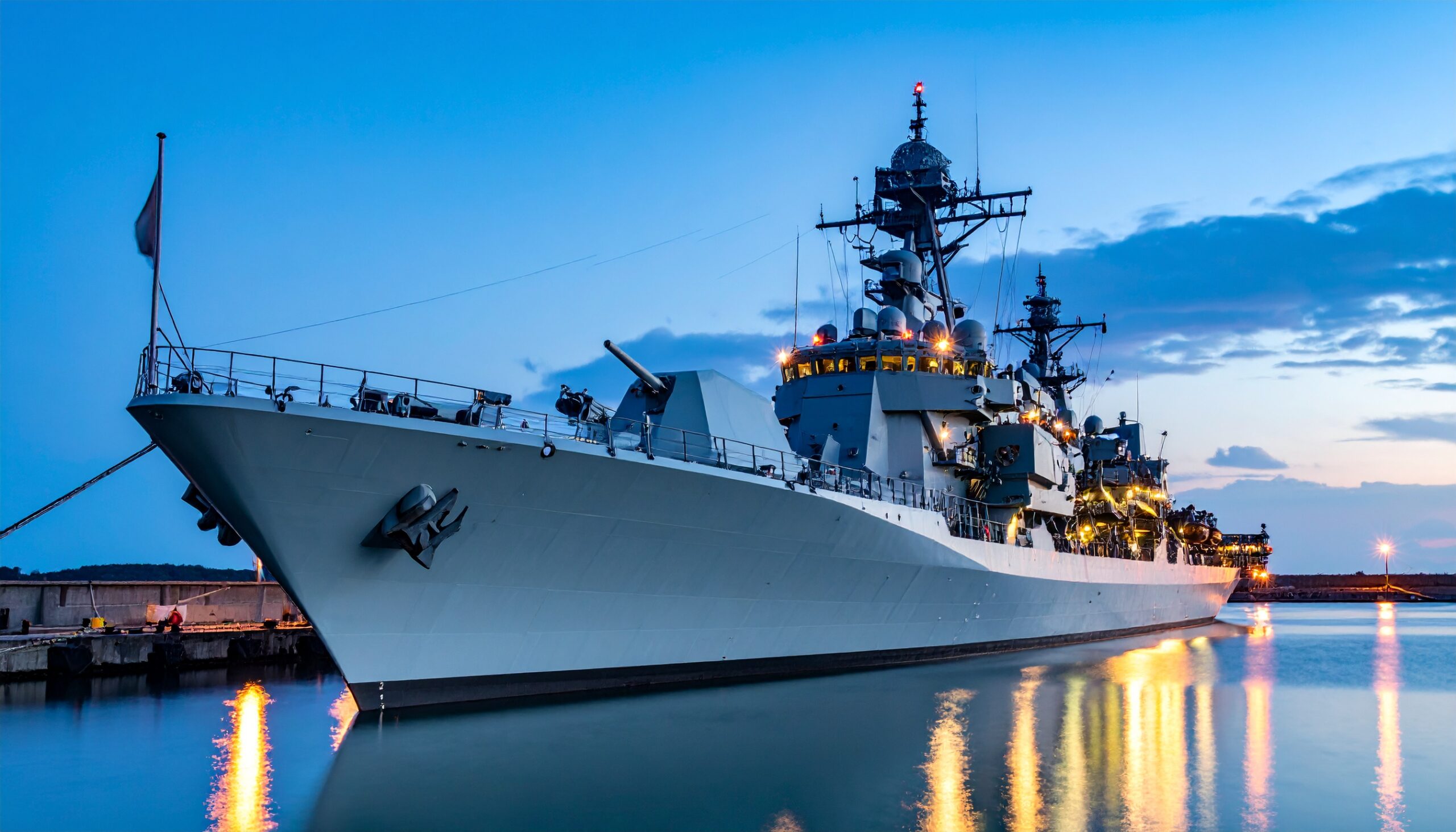
The Type 212CD is a next-generation conventional diesel-electric attack submarine jointly developed by thyssenkrupp Marine Systems and the Norwegian Defence Materiel Agency for Germany and Norway. Based on the Type 212A, it introduces a larger hull, a distinctive diamond-shaped outer profile, improved acoustic stealth, greater endurance and an advanced combat system.
The submarine is designed for intelligence gathering, anti-submarine warfare, anti-surface warfare and special operations. Its capabilities are particularly suited to the Baltic Sea, North Atlantic and Arctic, where NATO has increased its focus on maritime surveillance and undersea defence.
The Type 212A entered German service in 2005 and was among the early operational submarines to use hydrogen fuel-cell air-independent propulsion. The technology allows extended submerged operations with low noise. By the mid-2010s, however, limitations in hull size, sensors and combat systems encouraged development of a more capable successor.
Germany and Norway agreed to jointly develop the Type 212CD in 2017. In 2021, TKMS received the first production contract for six boats, two for Germany and four for Norway. Construction began in 2023. Germany later expanded its planned fleet to six, while Norway approved two additional submarines in 2026, also bringing its total to six. Canada has identified the design for its future patrol submarine project. Norway is expected to receive the first boat in 2029, followed by German deliveries in the early 2030s.
The hydrogen fuel-cell AIP system allows the submarine to remain submerged for weeks while generating very little noise. Reduced snorkeling requirements lower the risk of detection during covert patrols and intelligence missions.
The angular outer hull is another defining feature. Its faceted shape is intended to scatter radar energy when the submarine operates near the surface. A carefully designed sail and low-signature external fittings further support stealth.
The sensor suite combines sonar arrays, optronic masts, electronic support measures and an integrated combat-management system. Fusing data from these sensors gives crews a more complete tactical picture and supports the detection and classification of underwater and surface contacts.
Acoustic stealth is reinforced through raft-mounted machinery, vibration isolation and sound-absorbing materials. These measures reduce underwater noise and make passive-sonar detection more difficult.
Germany and Norway also benefit from the common-design approach. Shared training, maintenance, spare parts and software upgrades can reduce operating costs and improve interoperability.
The submarine has limitations. It cannot match nuclear-powered submarines in sustained high-speed endurance, and its advanced propulsion and combat systems increase acquisition costs. Programme complexity has also affected schedules. The design is primarily optimised for northern European and littoral operations rather than global deployment.
The Type 212CD has not yet entered operational service. Germany and Norway intend to use it to replace older submarines and strengthen NATO’s undersea presence. Future improvements are expected to include unmanned underwater systems, electronic warfare, improved networking and further acoustic-signature reduction.