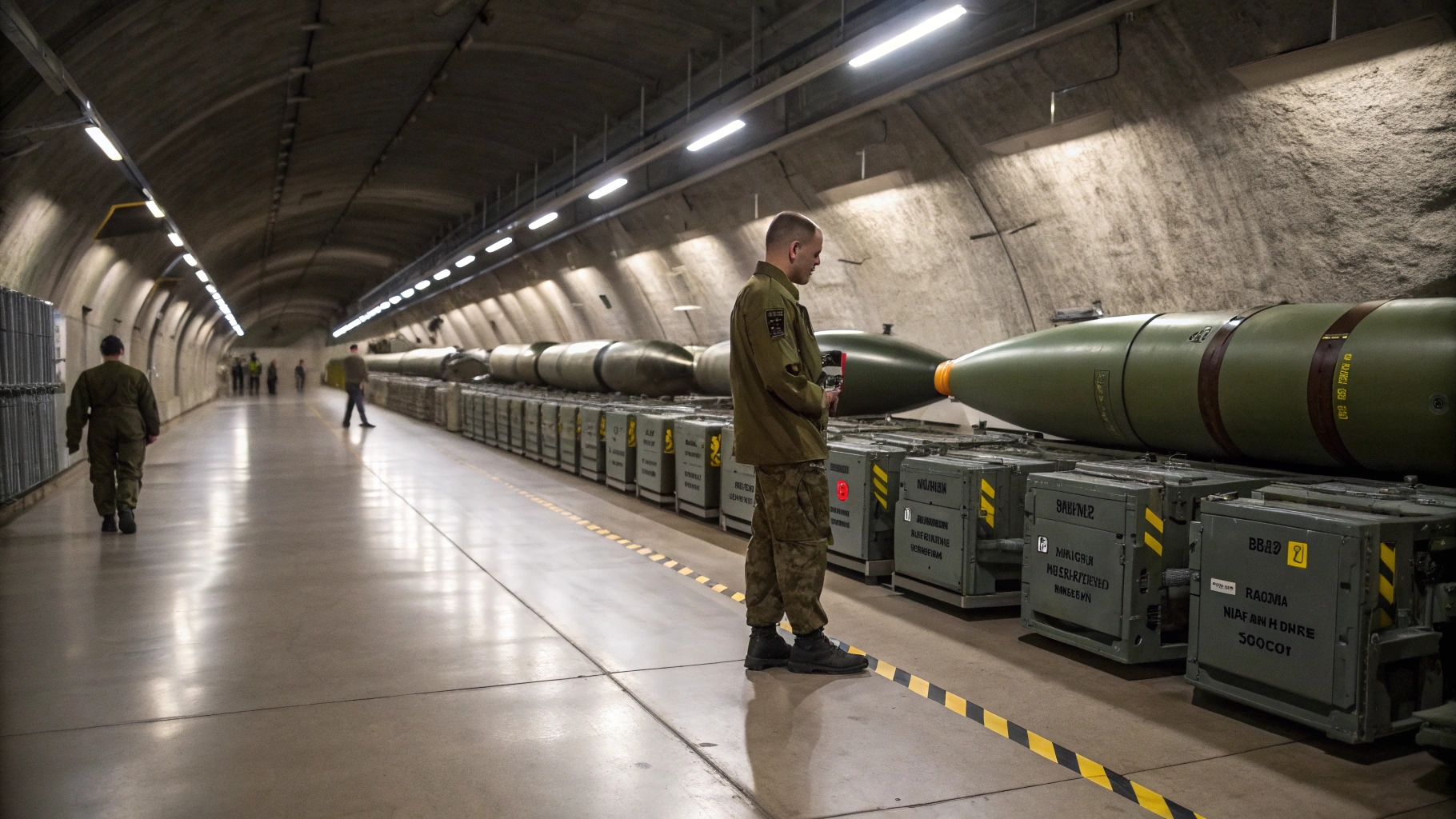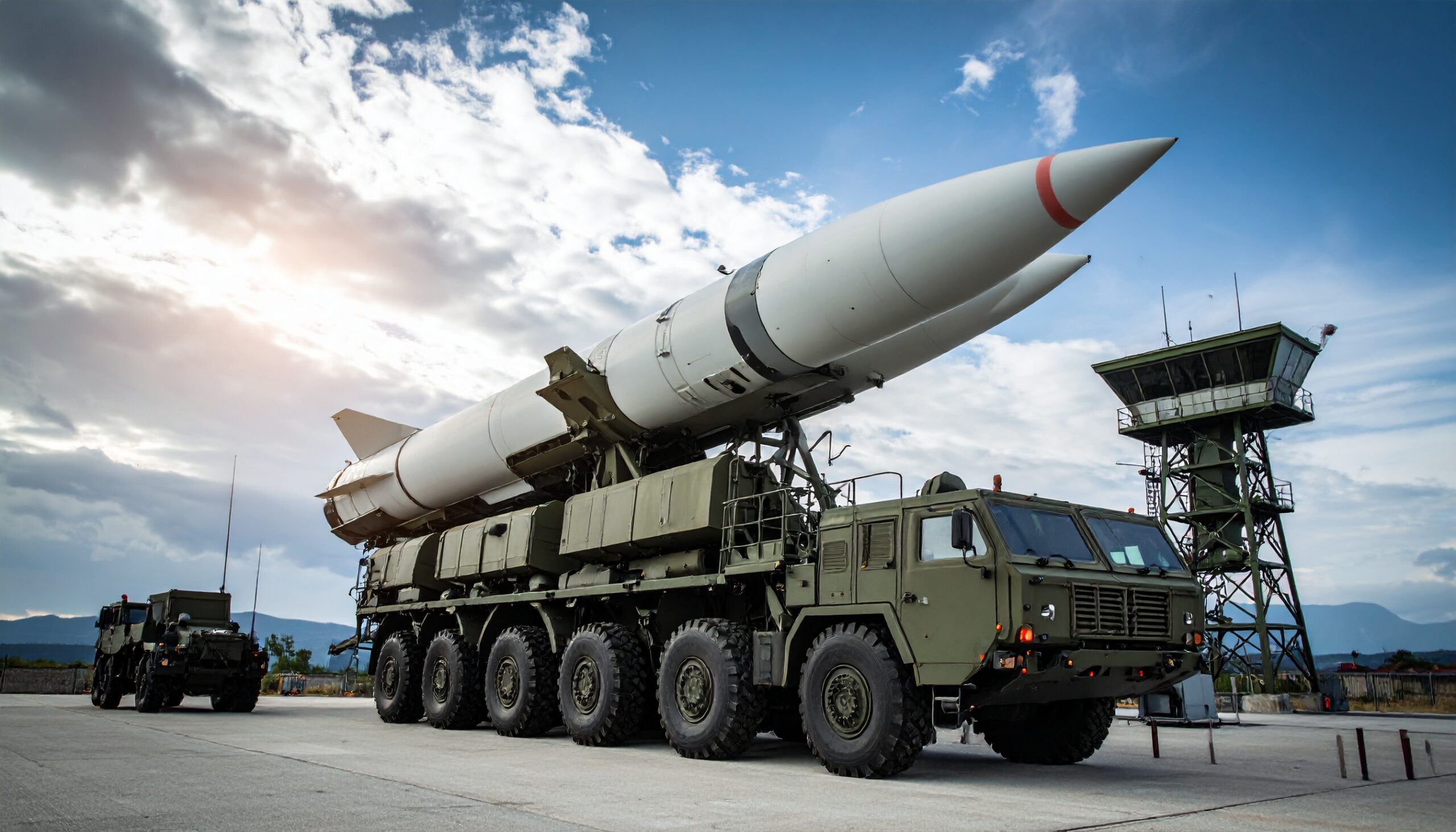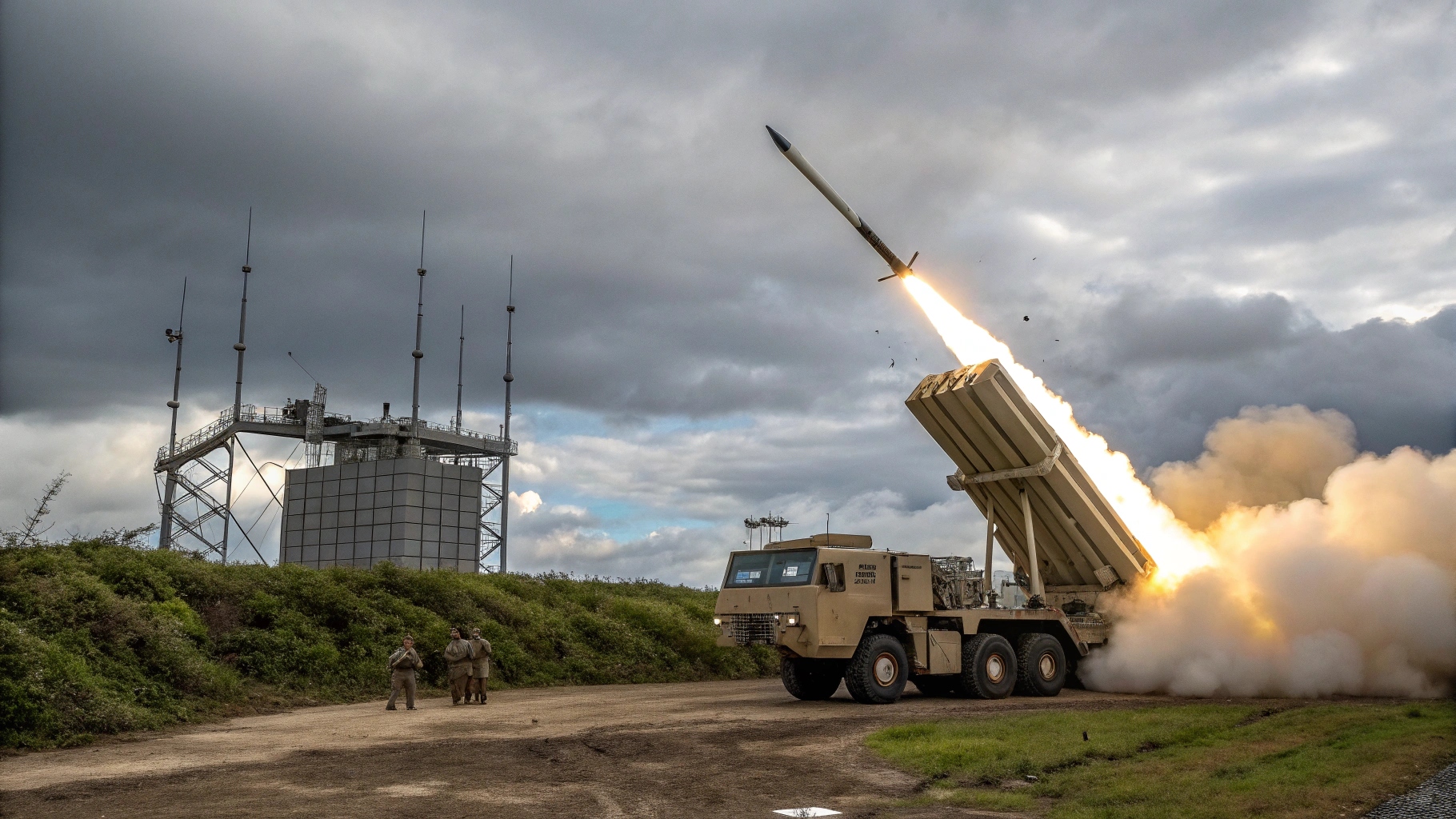

The US Department of Defense has entered into two seven-year framework agreements with Boeing and RTX to increase production of critical components for the Standard Missile-3 (SM-3) Block IB and Block IIA interceptors. These weapons form an important part of the US Navy’s ship-based ballistic-missile-defense architecture.Under the arrangements, Boeing will expand manufacturing of avionics and ejector assemblies used by both interceptor variants. The agreements allow component production to begin while the companies and the government negotiate a longer-term multi-year production contract.The initiative supports the administration’s “Arsenal of Freedom” effort to increase the availability of key defense systems and accelerate delivery timelines.The move follows a separate agreement with Lockheed Martin, valued at up to $53.86 billion, to expand production of PAC-3 MSE interceptors through 2033. The US Navy and Lockheed are also working to integrate the Patriot-derived interceptor with the Aegis combat system used aboard Navy warships.Adding additional interceptor options to naval platforms could strengthen layered air and missile defenses against increasingly complex threats. Lockheed Martin has also received another multibillion-dollar award to increase production of THAAD interceptors for ballistic-missile defense.