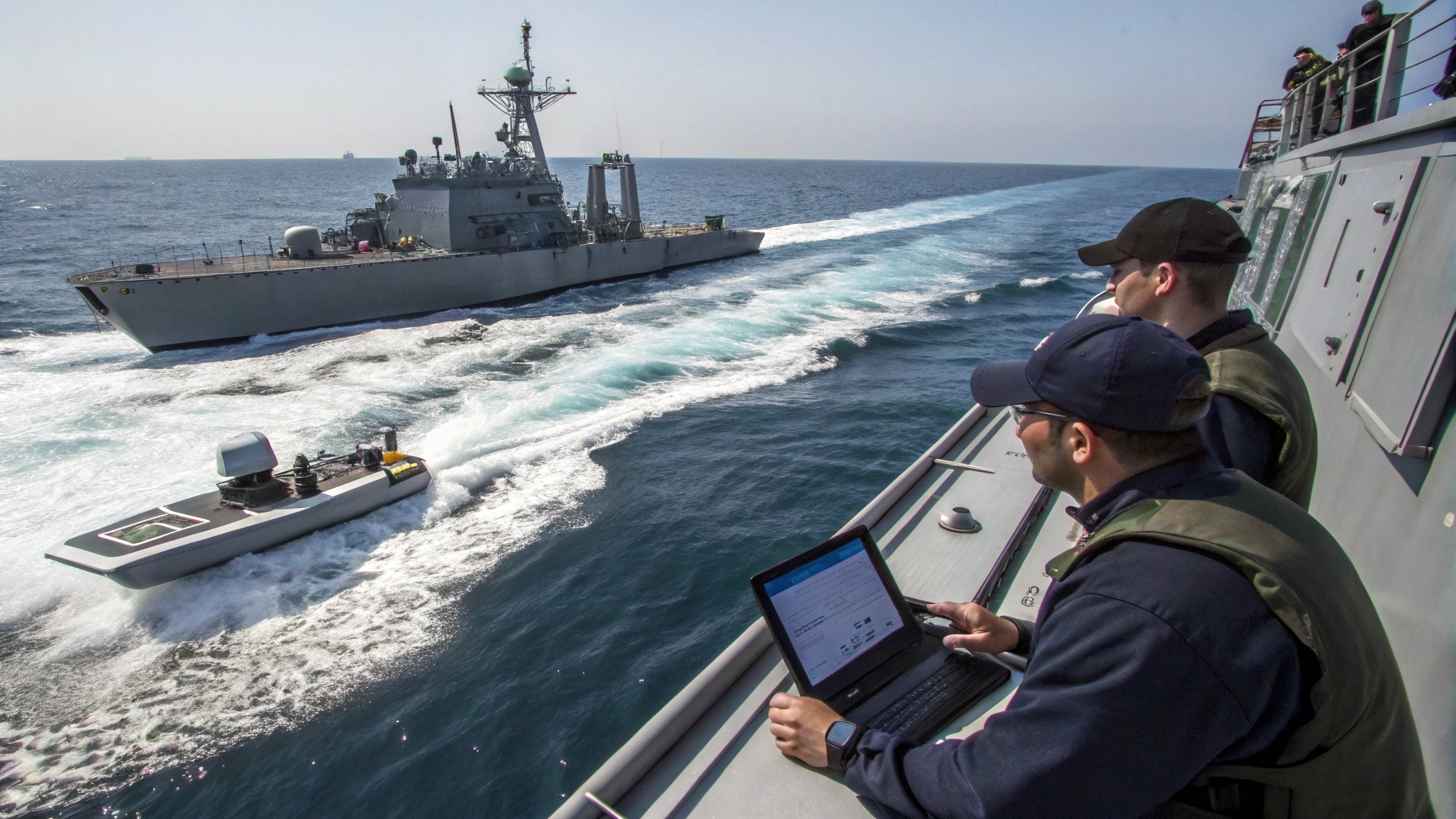
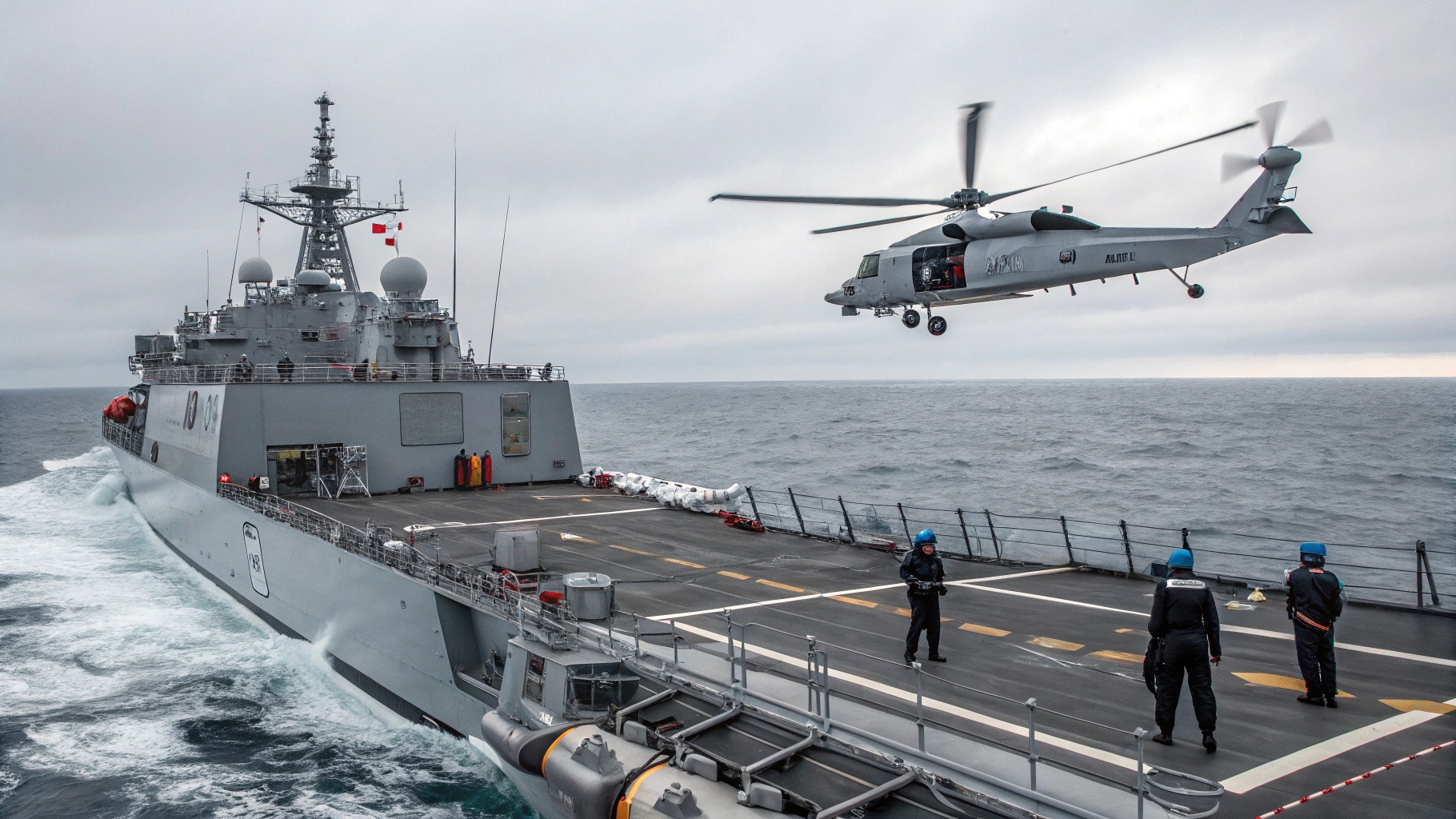
India and New Zealand have significant opportunities to expand cooperation in maritime security, maritime domain awareness and support for a rules-based Indo-Pacific order, according to Professor David Capie, Director of the Centre for Strategic Studies at Victoria University of Wellington. Speaking at the inaugural India-New Zealand Defence and Security Track 1.5 Dialogue in New Delhi, Capie said the meeting was taking place at an important time as both countries seek to broaden their relationship beyond traditional economic engagement and identify areas of strategic alignment amid growing international uncertainty. Describing India and New Zealand as the “bookends” of the Indo-Pacific, he noted that the countries share several strategic interests despite differences in size and geography. Maritime cooperation was identified as one of the most important areas of common interest. Capie said both countries support respect for the United Nations Convention on the Law of the Sea and share an interest in understanding and protecting their respective maritime regions. Although New Zealand’s primary strategic focus remains the Pacific, he explained that the Indian Ocean is also important to its security and economic interests because it provides a major route connecting the country to energy supplies from the Middle East. Capie said closer cooperation in maritime security, maritime domain awareness and related activities could help both nations support regional stability and the wider rules-based international system across the Indo-Pacific. Such engagement could contribute to maritime resilience, protection of sea-lanes and improved information sharing in response to emerging strategic challenges. Addressing the new defence and security dialogue, Capie said changing geopolitical conditions and uncertainty in the international order have increased the importance of strengthening relationships with trusted partners. Political leaders in both countries, he added, have indicated that bilateral ties should extend well beyond trade, with defence and security becoming increasingly important pillars. On economic cooperation, Capie said the proposed India-New Zealand Free Trade Agreement could provide fresh momentum to the relationship and create opportunities for businesses in both countries to work together in emerging sectors. He cited India’s growing financial technology capabilities and New Zealand’s internationally recognised agricultural technology expertise as complementary strengths that could deliver mutual benefits. He also identified education, technological cooperation and stronger people-to-people connections as important components of the expanding partnership. Approximately six per cent of New Zealand’s population identifies as being of Indian heritage, providing a strong social and cultural foundation for closer bilateral relations. Capie further highlighted the need to improve connectivity, saying direct air links between India and New Zealand could strengthen tourism, business engagement, educational exchanges and broader societal ties. Reflecting on the relationship’s overall direction, he said bilateral engagement was gaining considerable positive momentum, with substantial potential for expansion across defence, trade, technology, education and strategic cooperation.