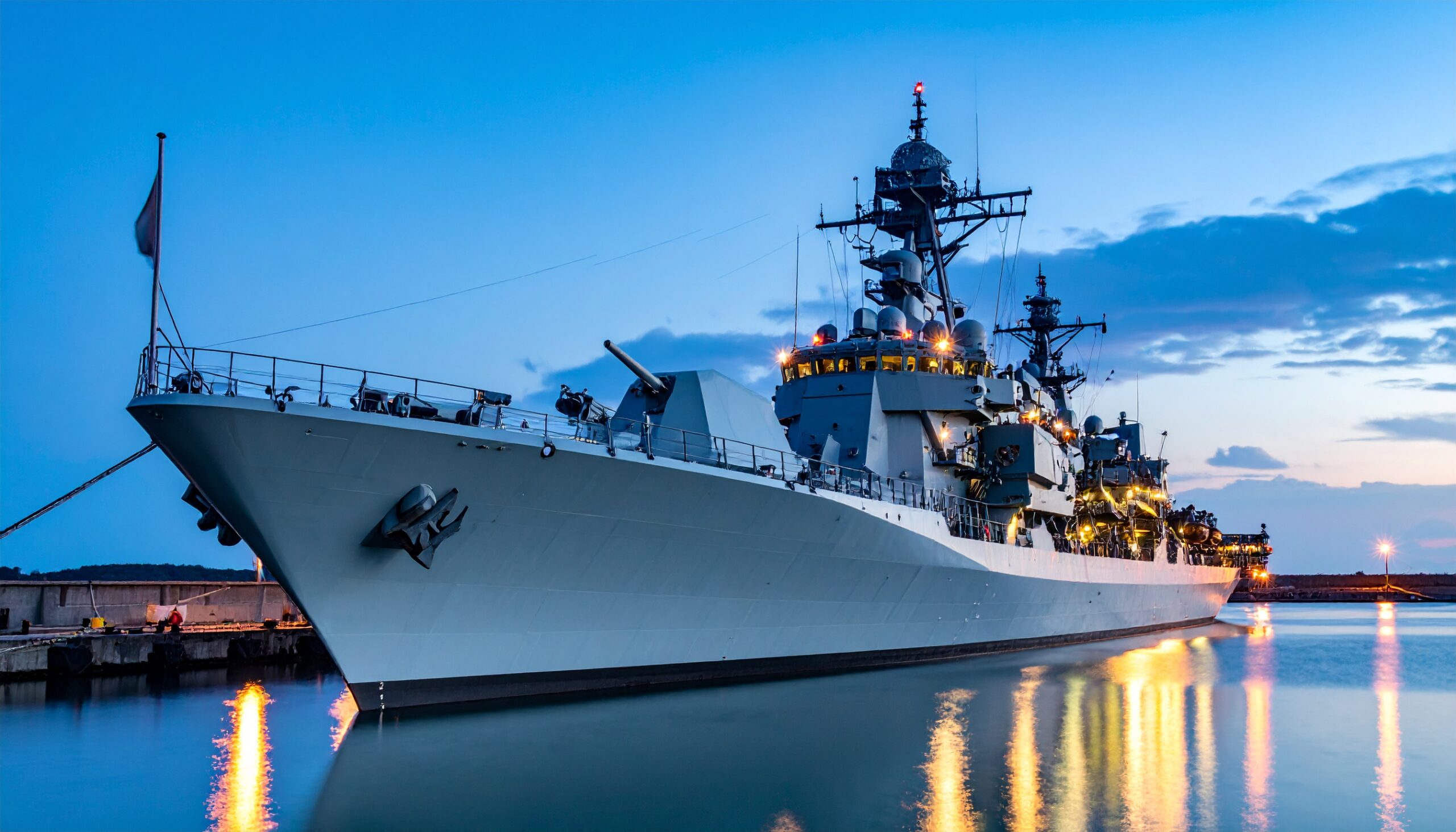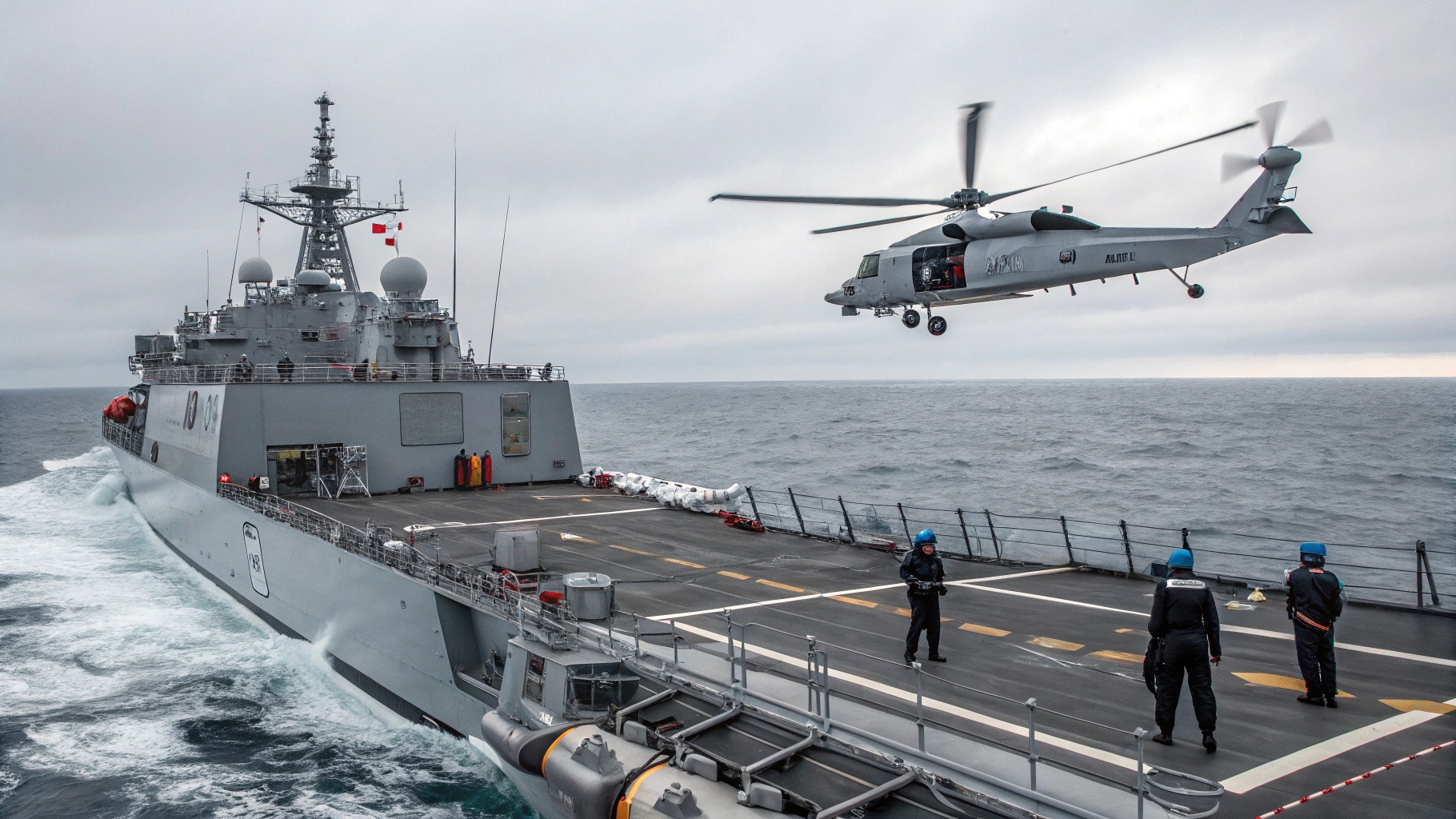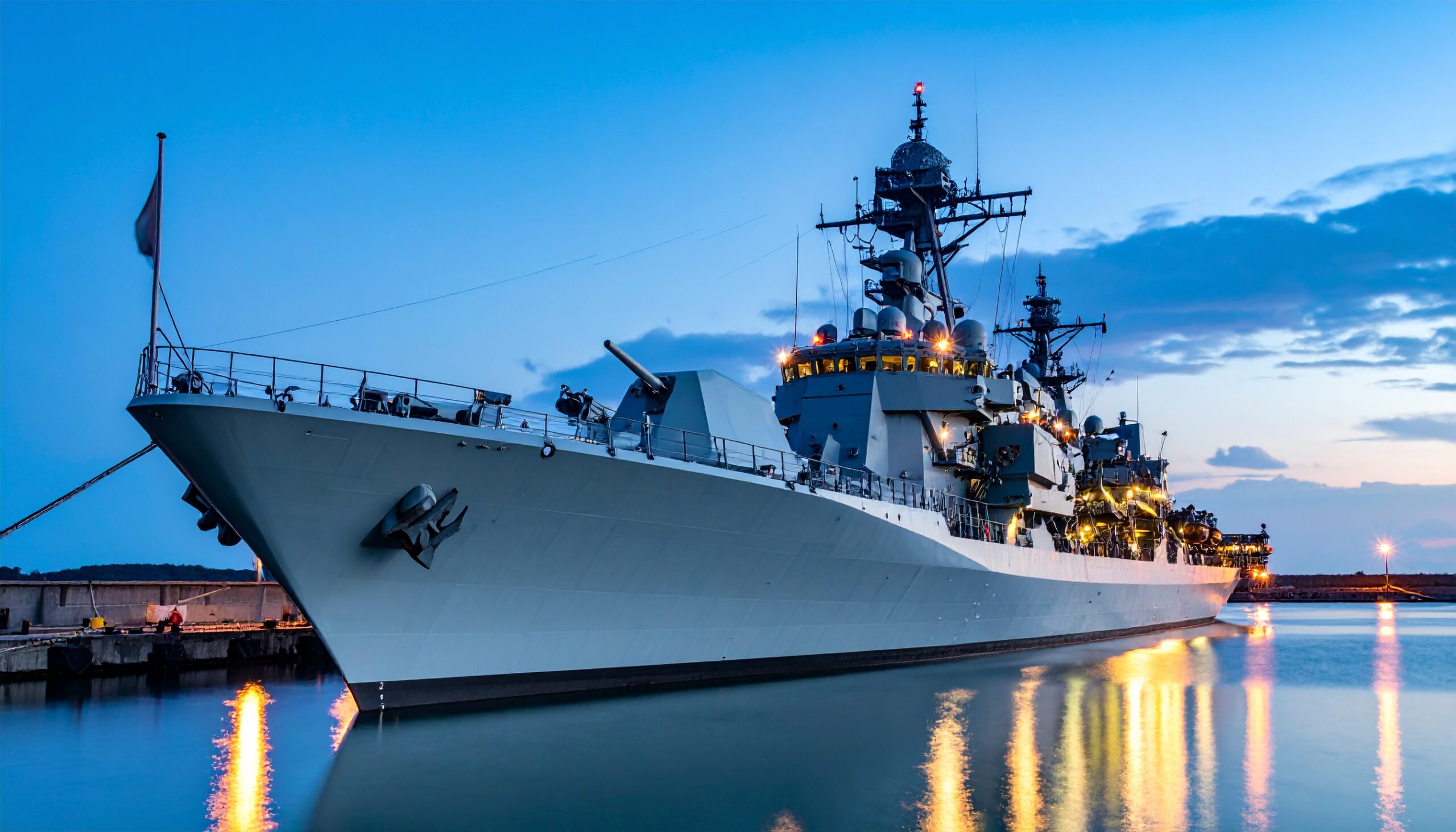
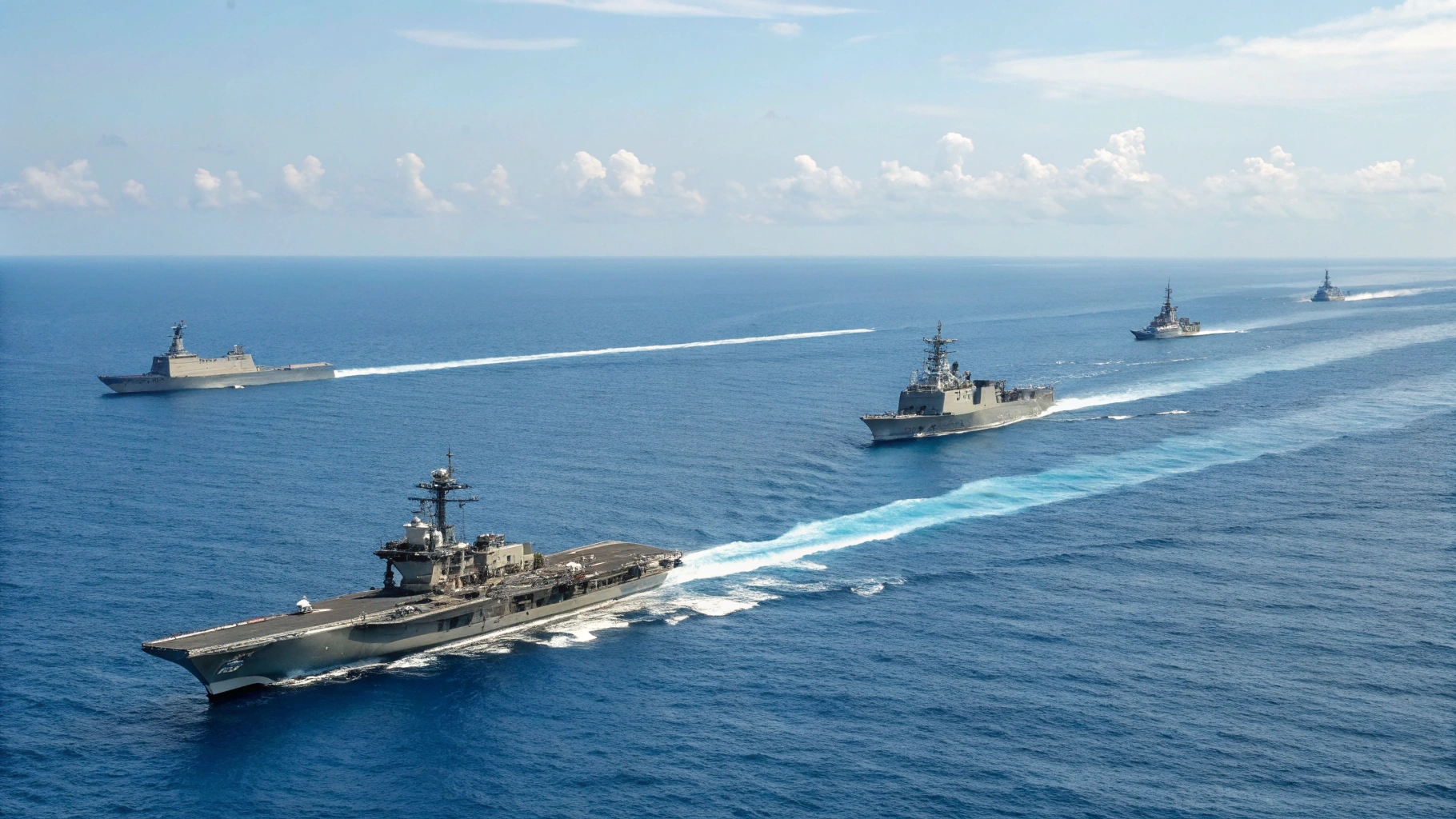
The Indian Navy’s Project-17B stealth frigate acquisition is approaching a critical milestone, with bidding for the seven-warship programme, valued at approximately $7.54 billion (₹70,000 crore), scheduled to close next week. The competition represents one of India’s largest indigenous warship procurement initiatives and is expected to influence the future structure of the Navy’s surface fleet. Industry expectations suggest that the lowest bidder (L1) could be identified before March 2027, with the formal contract expected to be signed during the fourth quarter of FY2027-28, or before March 2028. Project-17B aims to deliver seven next-generation stealth frigates building on the capabilities of the Project-17A Nilgiri-class vessels currently entering service. The new ships are expected to incorporate improved stealth characteristics, enhanced sensors, more capable combat-management systems, stronger air-defence capabilities, advanced anti-submarine warfare systems and long-range strike weapons. Unlike several earlier major naval construction programmes that were primarily awarded through nomination, Project-17B is being pursued through competitive bidding. This marks a significant change in India’s naval procurement approach and is expected to increase competition among domestic shipbuilders. The tender has attracted interest from Garden Reach Shipbuilders & Engineers (GRSE), Mazagon Dock Shipbuilders Limited (MDL), Goa Shipyard Limited (GSL) and Cochin Shipyard Limited (CSL). The final contract value will depend on the outcome of technical and commercial evaluations. Industry observers have compared the programme’s potential structure with Project 17 Alpha, which adopted a 4:3 allocation between the L1 and L2 shipyards. A similar arrangement could be considered for Project-17B, allowing construction responsibilities to be distributed while retaining competitive pricing and delivery schedules. GRSE is reportedly seeking to emerge as the leading bidder. If the Kolkata-based shipbuilder secures L1 status, its potential share of the programme could exceed $4.3 billion, or ₹40,000 crore, making it one of the largest warship construction contracts in the company’s history. GRSE is also assessing how Project-17B construction could proceed alongside the proposed Next Generation Corvette (NGC) programme. The shipyard is expected to explore public-private partnerships and industrial collaborations to increase production capacity and handle multiple major naval projects simultaneously. Project-17B forms part of the Indian Navy’s broader modernisation strategy to introduce a new generation of frontline surface combatants. The frigates are expected to succeed and enhance the capabilities of the Project-17A class, which already features substantial indigenous content and advanced weapons, including BrahMos missiles and sophisticated air-defence systems. The programme originated from approvals under the Ministry of Defence’s long-term force development plans. As one of India’s most strategically significant naval projects, it is expected to strengthen domestic shipbuilding, advance self-reliance objectives and provide the Navy with highly capable multi-role stealth warships for future maritime operations. With bid submissions approaching their deadline, attention will turn to technical assessments, commercial evaluations and the selection of successful bidders, paving the way for one of the decade’s most consequential Indian naval contracts.