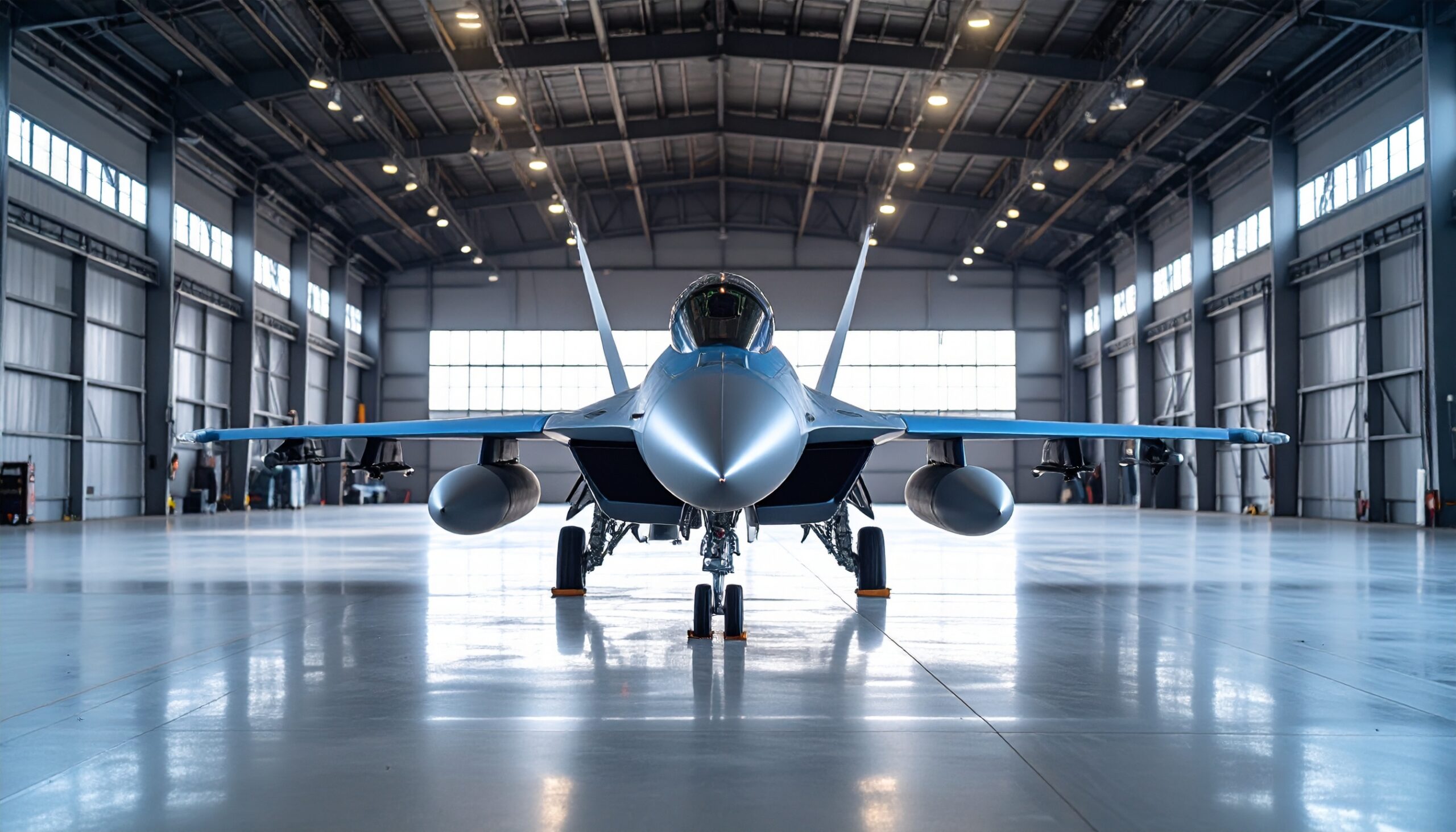
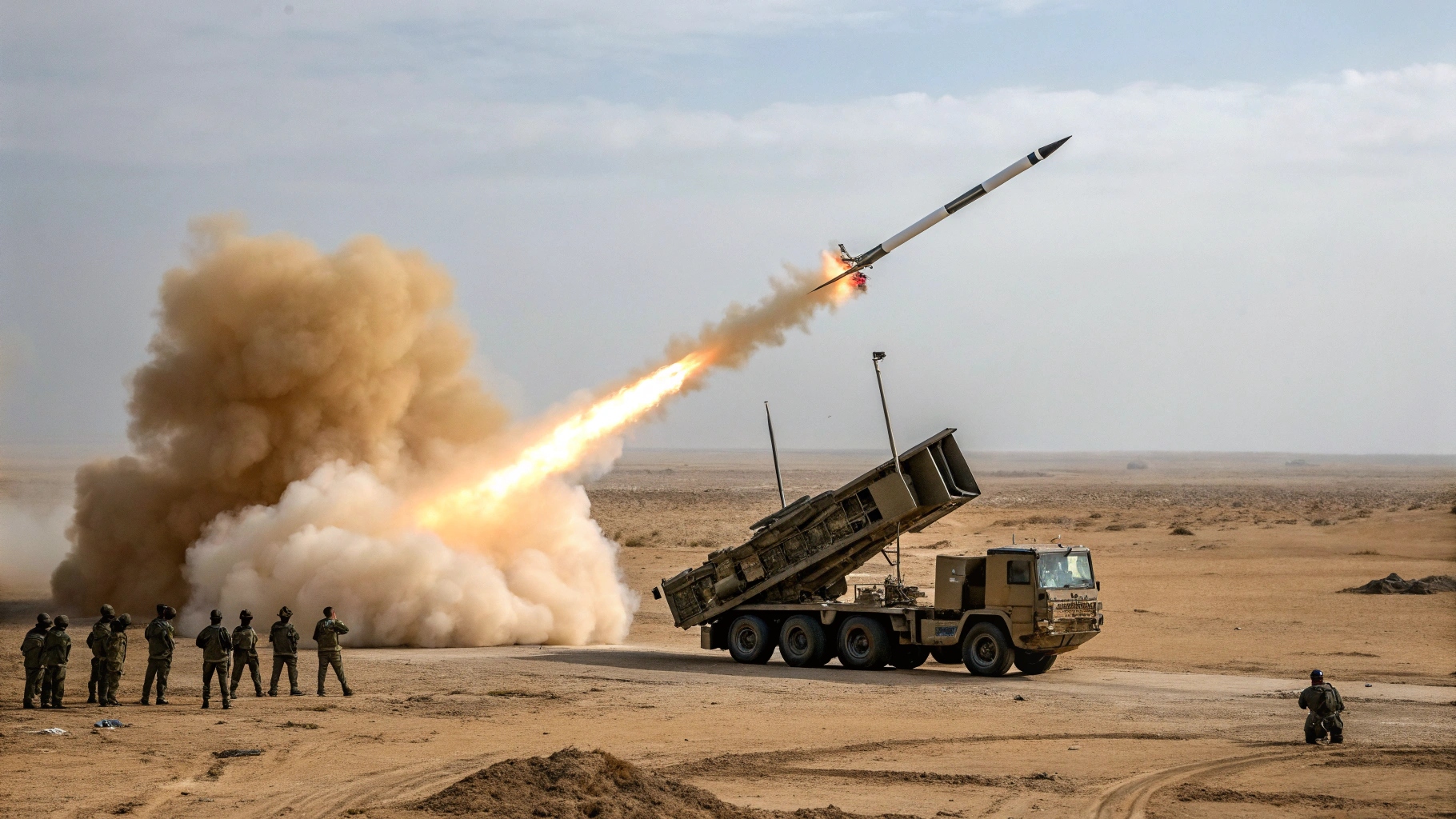
India is considering the creation of additional fighter aircraft manufacturing lines as part of a broader effort to increase domestic defence production and reduce reliance on a single industrial facility. Defence Secretary Rajesh Kumar Singh said that maintaining only one production line could create production bottlenecks and increase the impact of any disruption. He said the country should eventually have at least two fighter production lines, with the possibility of expanding to three. The government is currently examining proposals from three shortlisted companies for the Advanced Medium Combat Aircraft programme. The AMCA initiative is also expected to provide greater opportunities for private companies to participate in the manufacture of advanced combat aircraft. Singh also outlined plans to diversify missile production by developing several manufacturers rather than relying heavily on one public-sector producer. The broader objective is to establish roughly six missile manufacturers and hundreds of drone companies capable of producing systems at scale. Private-sector participation in ammunition and propellant manufacturing is also being expanded. India has already achieved substantial domestic capability in areas such as land systems, artillery, small arms and military vehicles, although certain aerospace technologies remain dependent on foreign sources. Future acquisitions involving foreign technology are expected to include larger domestic manufacturing components. Fighter aircraft and the C-295 transport aircraft were cited as examples. The government is targeting 75% domestic spending from defence capital expenditure each year. For 2026–27, the capital outlay is reported at ₹2.19 lakh crore, with about three-fourths of the capital acquisition budget intended for domestic procurement. Singh said defence industry turnover has increased from around ₹46,000 crore in 2014 to nearly ₹1.8 lakh crore. Defence exports have also expanded from ₹686 crore in 2013–14 to ₹38,424 crore in 2025–26. Export orders are now around ₹38,000 crore, while the government has set a ₹50,000 crore target for 2030. Singh said stronger international demand could allow that target to be reached earlier, potentially by 2028 or 2029. Around 145 Indian companies currently export defence products, including protective equipment, BrahMos missiles and Akash air-defence systems. Singh also identified lower production costs as an advantage for Indian defence exports, particularly in missiles and artillery.