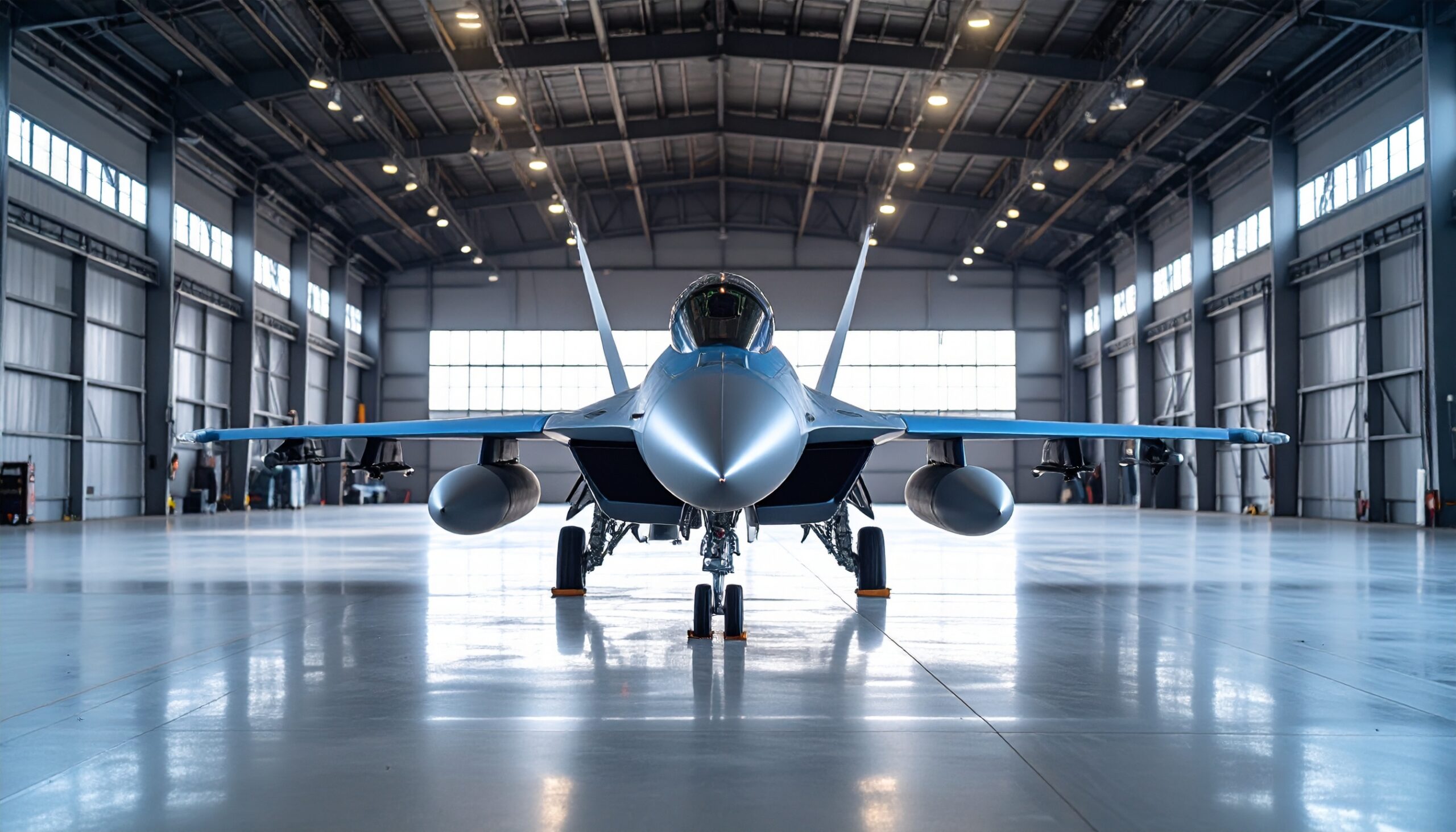
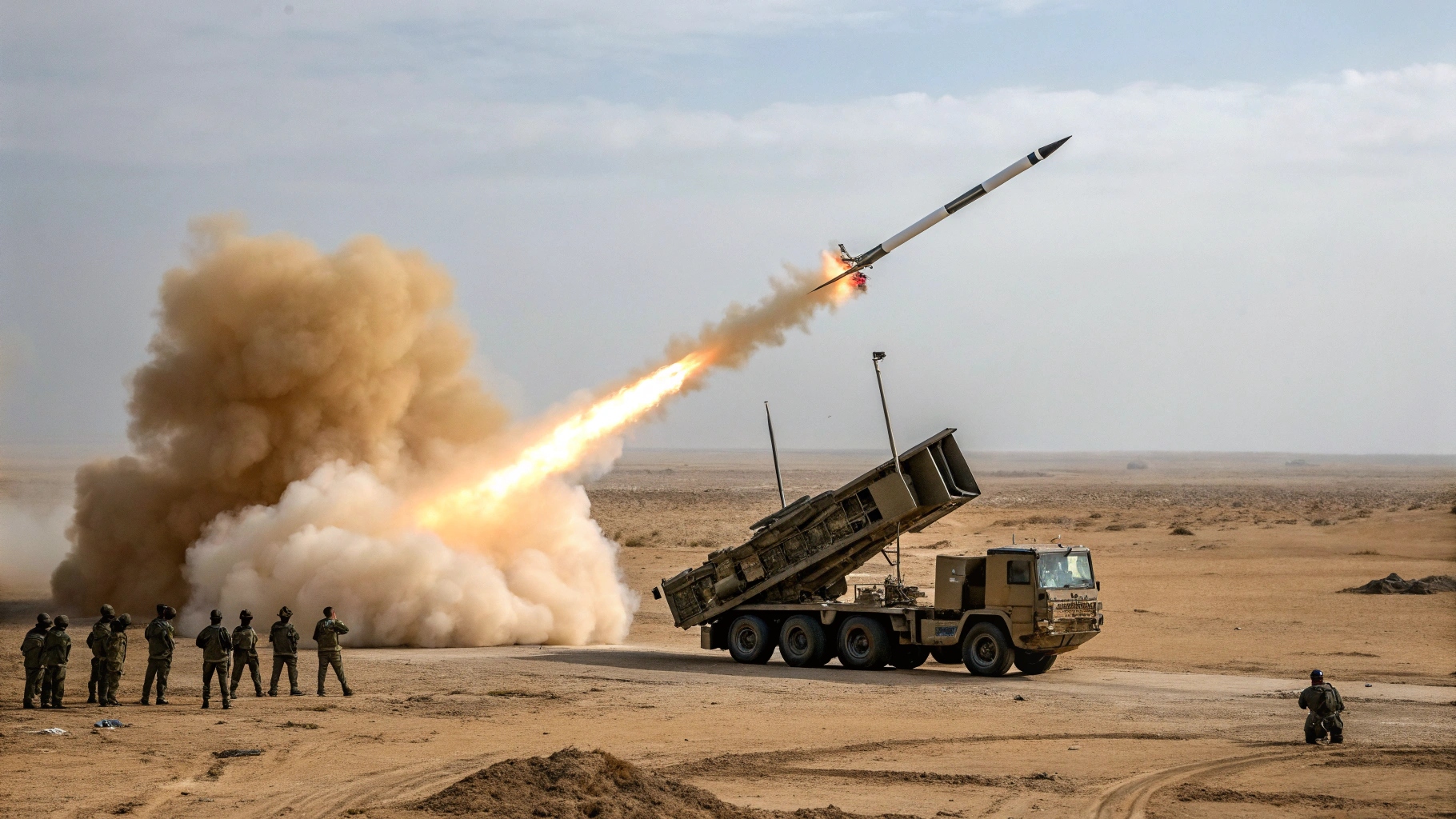
India is preparing to conduct range-extension trials for the Astra Mk1 beyond-visual-range air-to-air missile later in 2026. The proposed upgrade is expected to increase its range from approximately 110 km to around 160 km. The development was confirmed following discussions between India’s defence research establishment and the Indian Air Force after Operation Sindoor. Trials had initially been planned for earlier in the year, but additional optimisation work reportedly pushed the testing schedule toward the latter part of 2026. The planned modifications are expected to concentrate on propulsion, flight profile, guidance and energy-management improvements. Instead of creating a completely new weapon, the objective is to extract additional performance from the existing Astra Mk1 design. These changes could allow the missile to maintain greater speed and manoeuvrability over longer distances while extending its effective engagement envelope. The IAF has already cleared Astra Mk1 for use with the Su-30MKI and Tejas Mk1 and Mk1A. The Rafale is also expected to become an Astra operator. Speculation that the recovery of a Chinese PL-15E missile influenced the Astra range-extension programme has reportedly been rejected by DRDO officials. The decision to upgrade an existing operational missile also reflects a broader trend in India’s defence development strategy. Instead of waiting for entirely new missile variants, authorities are increasingly looking at incremental improvements to weapons already in service. This approach could enable the armed forces to respond more rapidly to changing threats and operational requirements.