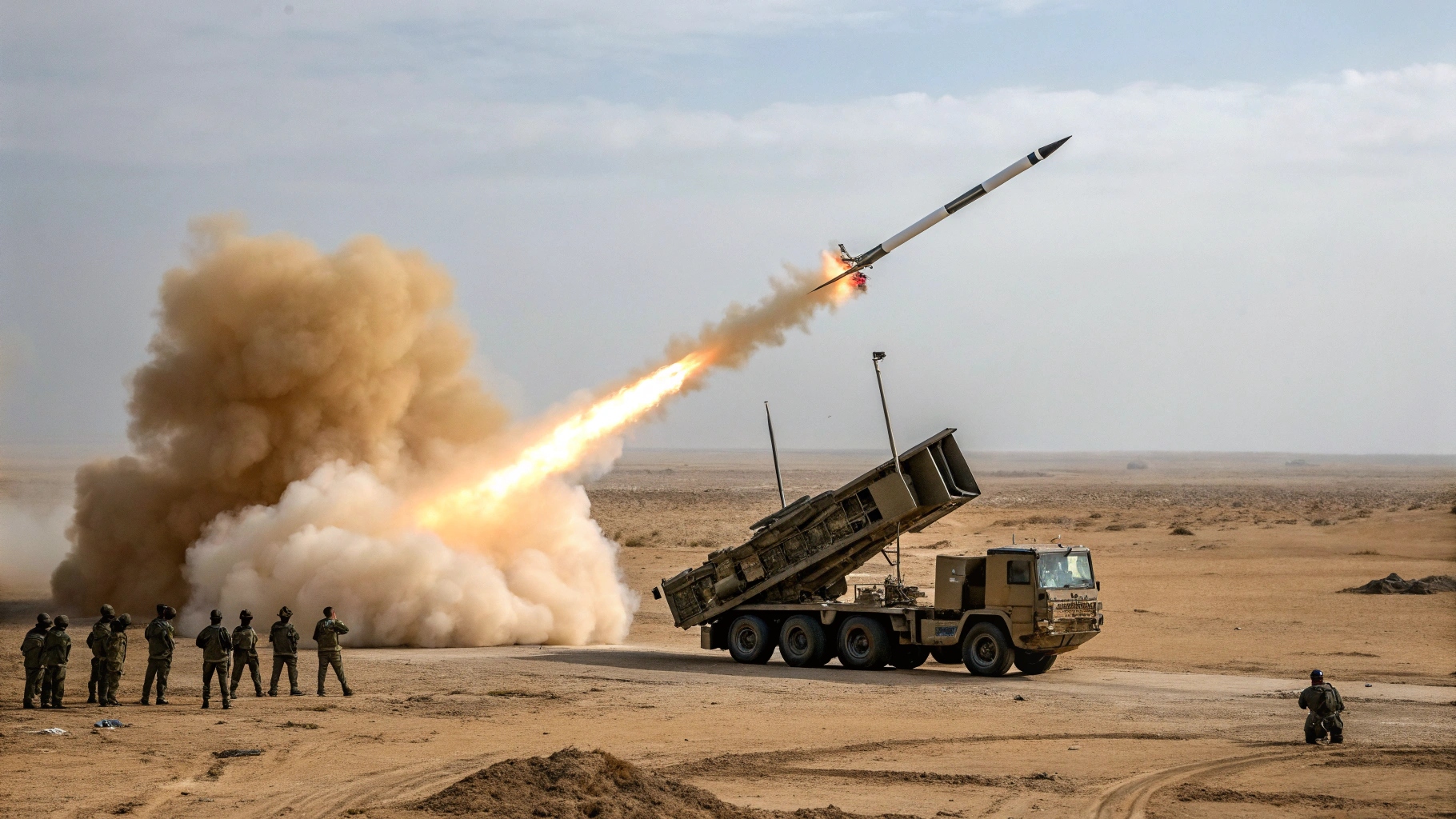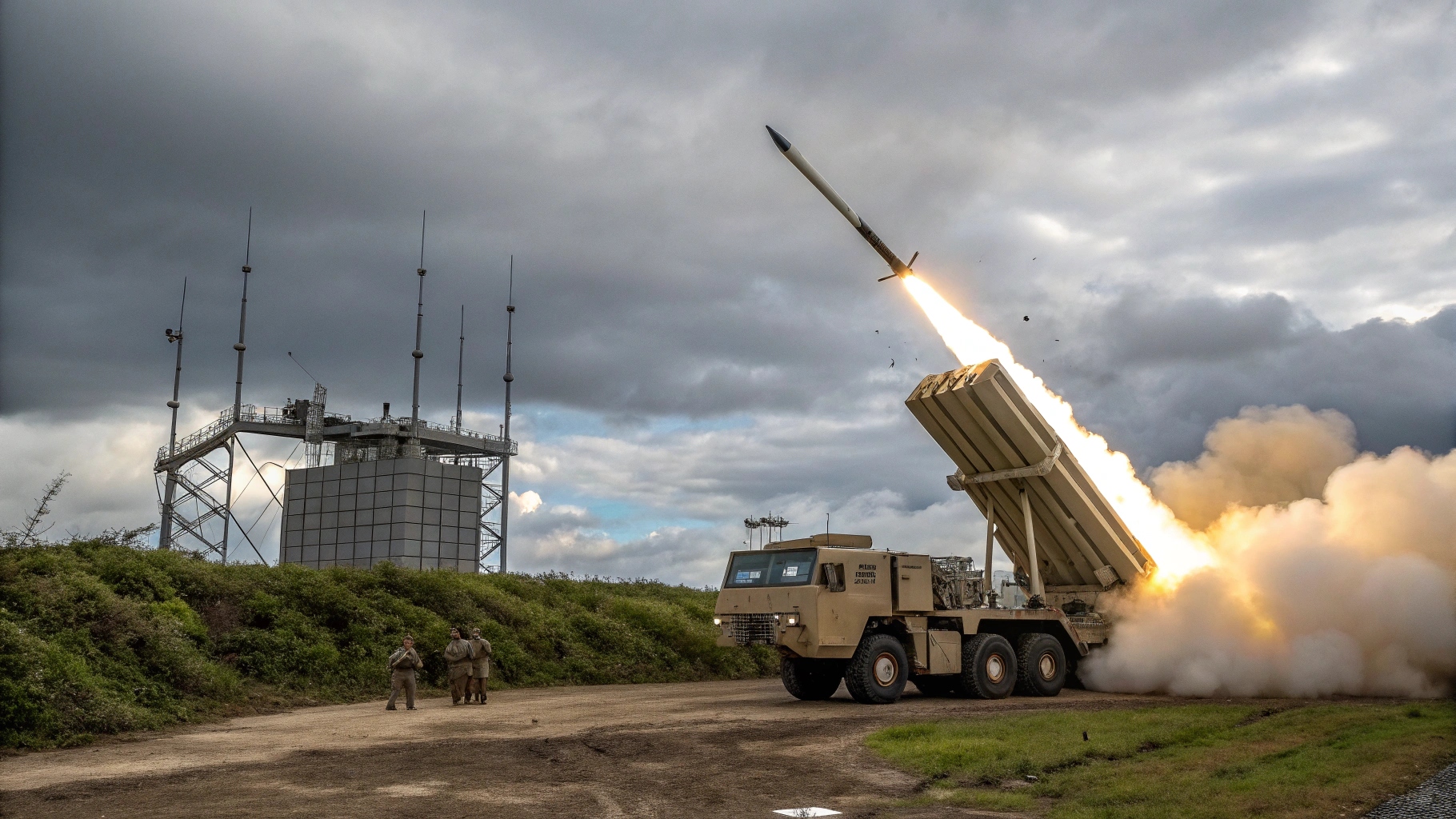
The Indian Air Force is considering broader use of the British MBDA ASRAAM close-combat air-to-air missile across several fighter fleets, including the Tejas Mk1A, Su-30MKI, and MiG-29UPG. At the same time, the high cost of a sophisticated missile could encourage India to develop a more economical complementary weapon.ASRAAM was selected by the IAF in 2013 under the New Generation Close Combat Missile competition after being evaluated against systems including the Israeli Python, German IRIS-T, and US AIM-9X Sidewinder.Since then, the missile’s integration has expanded. ASRAAM has been associated with the Tejas Mk1A, upgraded Jaguar aircraft, Su-30MKI fighters, and MiG-29UPG fleet, gradually replacing older R-73 weapons on selected aircraft.The missile offers improvements in seeker performance, manoeuvrability, engagement range, and high off-boresight targeting compared with the legacy systems it replaces. Its imaging infrared seeker is intended to improve target acquisition and resistance to countermeasures.India is also pursuing domestic involvement in ASRAAM production. MBDA and Bharat Dynamics Limited have established arrangements for final assembly, integration, and testing at BDL’s Hyderabad facility. This provides India with greater control over manufacturing, testing, and maintenance activities.Despite local production, ASRAAM remains a sophisticated weapon and therefore carries a relatively high unit cost. The IAF operates a large and diverse fighter fleet, and future aircraft such as the Tejas Mk2 and AMCA will add to the demand for close-combat missiles.Equipping every aircraft with only a premium missile could become expensive. This creates a potential requirement for a lower-cost weapon that could be used for training, routine missions, and situations where the full capability of a high-end missile is unnecessary.One possible technological starting point is DRDO’s Very Short Range Air Defence System. VSHORADS is a compact, man-portable missile developed by Research Centre Imarat for engaging low-altitude aerial targets.The system incorporates a dual-waveband imaging infrared seeker, integrated avionics, and a reaction-control system. These technologies have undergone flight testing against aerial targets, providing an established technical base that could potentially be adapted for another application.VSHORADS weighs approximately 20.5 kilograms and is about 2 metres long, with a 90mm diameter. Its dual-thrust solid rocket motor provides speeds of up to approximately Mach 1.5, while the effective range is around 6-8 kilometres depending on the variant.An air-launched derivative would require significant redesign. The missile would need a modified airframe, launch interface, aerodynamic configuration, and flight-control architecture to operate safely from a fighter aircraft.However, using technologies already demonstrated through VSHORADS development could potentially reduce development risk compared with creating a completely new missile from the beginning.The broader idea fits India’s growing interest in maintaining a layered and cost-conscious weapons inventory. High-end systems such as ASRAAM could be reserved for demanding combat situations, while a less expensive indigenous missile could cover training and other missions where maximum capability is not essential.Such an approach could help the IAF balance operational effectiveness with the cost of equipping a large and expanding fighter fleet.