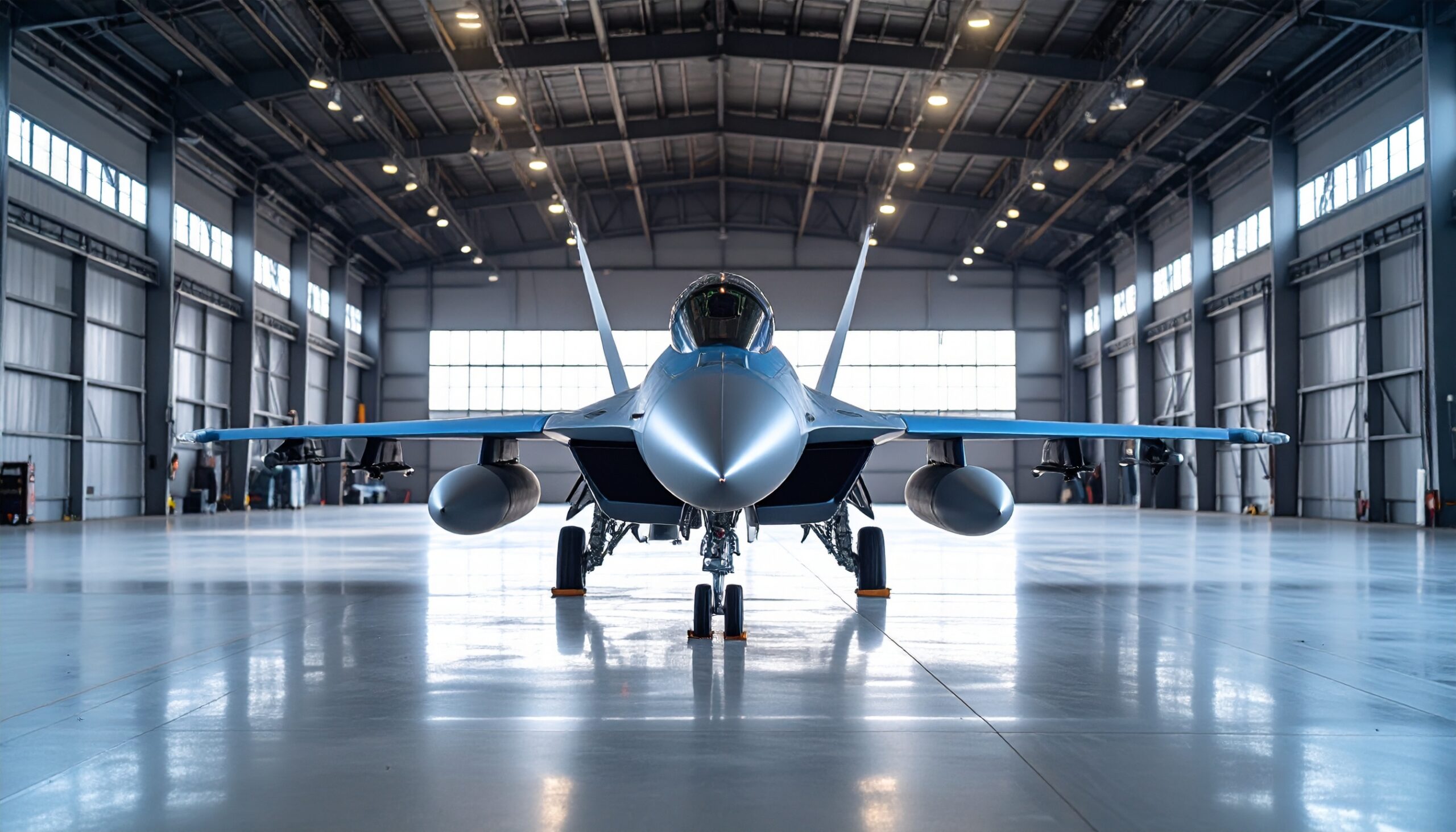
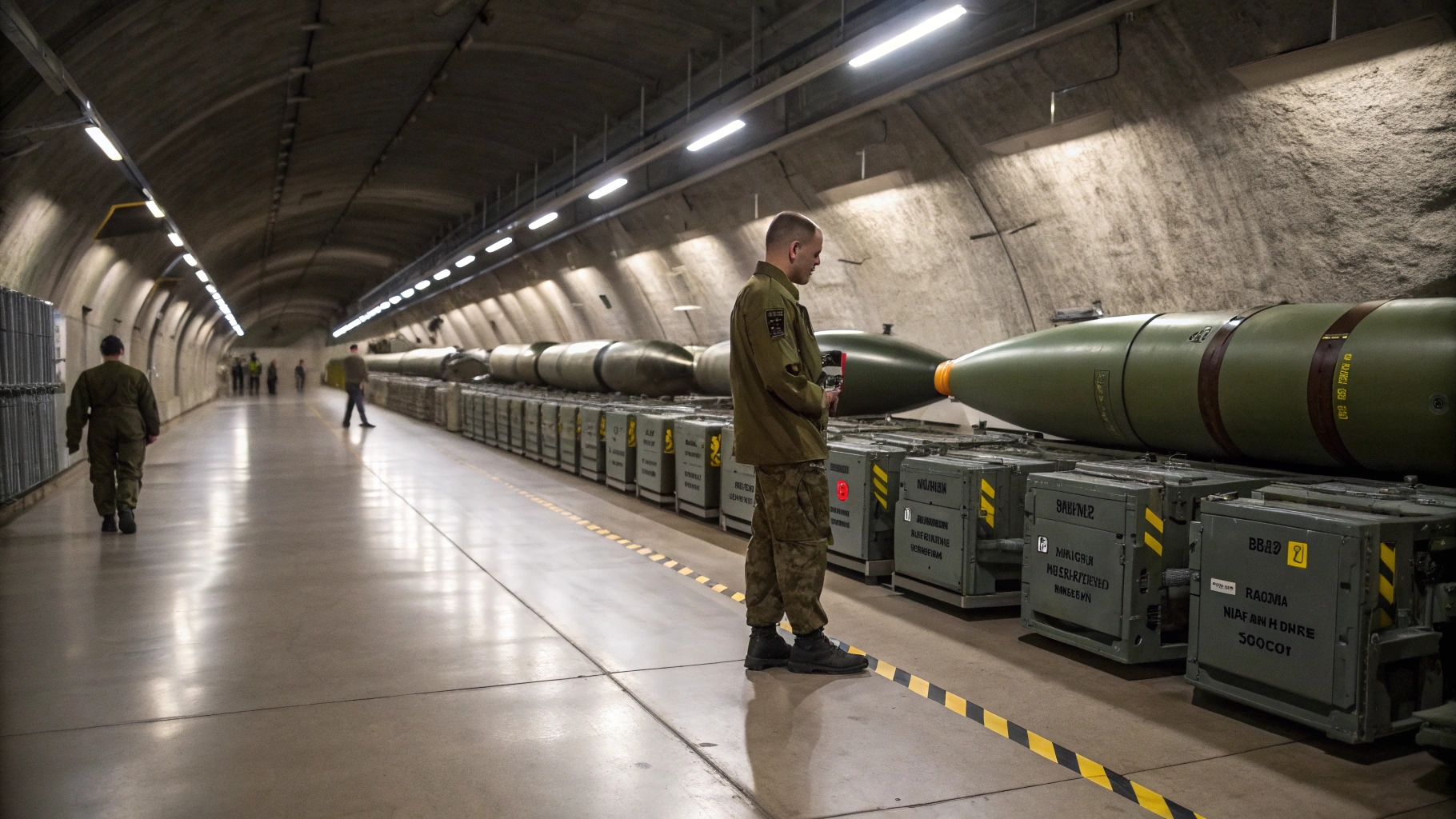
Indian Air Force Chief Air Chief Marshal AP Singh has said efforts are continuing to integrate the indigenous ASTRA Mk-2 beyond-visual-range air-to-air missile with additional fighter platforms, while preparations for the next-generation ASTRA Mk-3 are also progressing. The effort is intended to create a layered air-combat weapon inventory combining indigenous systems with selected foreign weapons. ASTRA Mk-2 is expected to offer a substantially greater engagement range than the operational ASTRA Mk-1. The missile programme is being developed by DRDO to reduce dependence on foreign suppliers and strengthen India’s domestic missile technology base. Integration with multiple aircraft is important because an air-to-air missile must work effectively with aircraft radar, avionics, mission computers and data links. The Mk-2 is expected to incorporate advanced guidance, propulsion and electronic-warfare resistance. Reports have indicated the use of dual-pulse propulsion to retain energy and manoeuvrability during the terminal phase. Network-enabled functions and advanced seeker technology are also expected to improve long-range engagement performance. Preparatory work is also moving ahead on ASTRA Mk-3, also known as Gandiva, which is expected to provide a further increase in engagement range. The development reflects the growing importance of long-range aerial combat as regional air forces introduce advanced sensors, electronic warfare systems and long-range missiles. The IAF, however, does not intend to rely solely on indigenous weapons. It plans to maintain a combination of domestic and imported systems to meet different operational requirements.