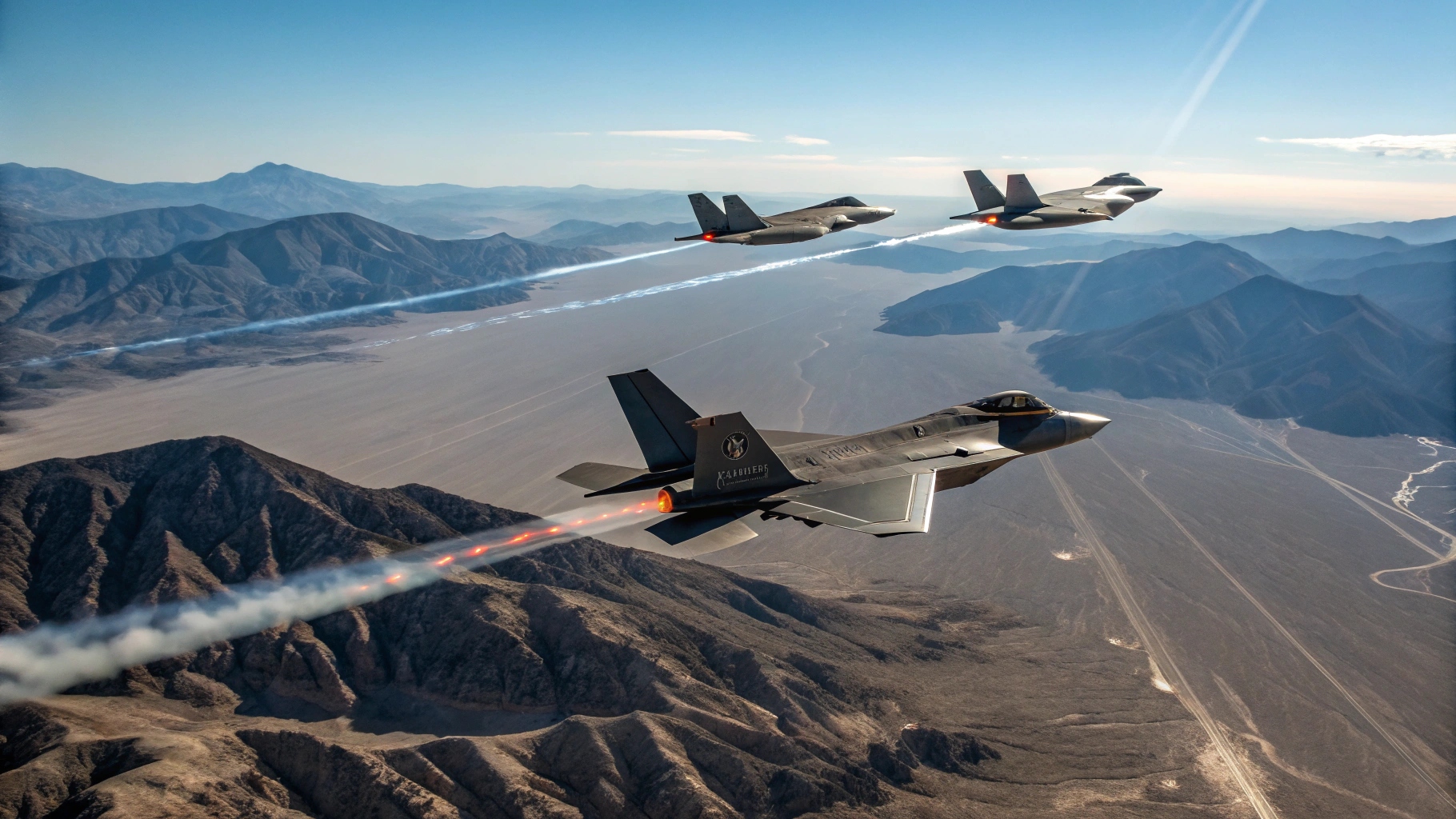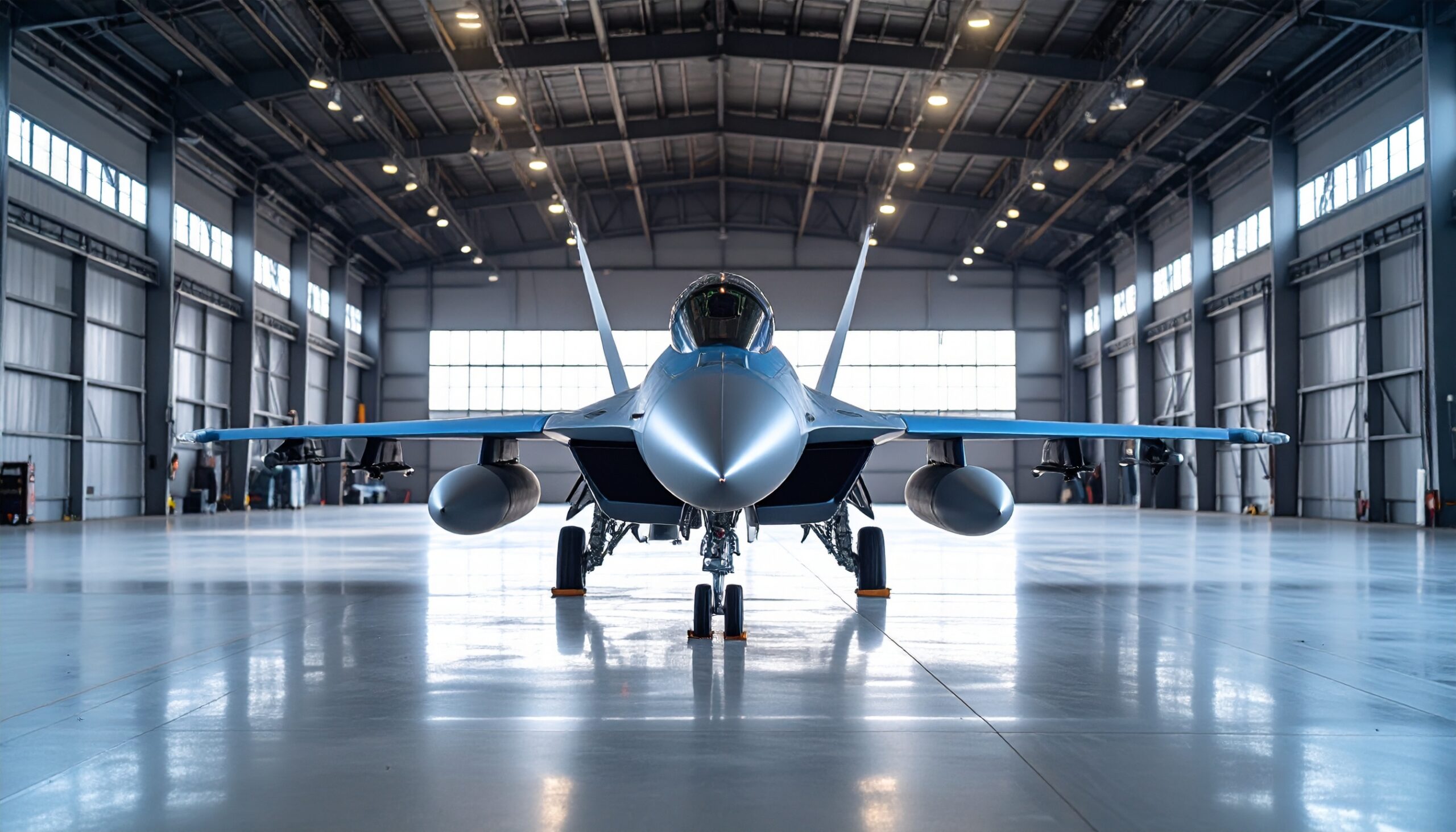
South Korea has taken a significant step toward developing its own sixth-generation combat aircraft after the Defense Acquisition Program Administration issued a Request for Proposal on August 21. The study will examine the operational requirements, preliminary aircraft configuration, and technology roadmap for a future next-generation fighter.The initiative remains at an early conceptual stage. DAPA has allocated approximately 900 million won, or about $650,000, for the 14-month study. The relatively modest funding reflects the programme’s current focus on research and technology assessment rather than full-scale aircraft development. A formal decision on launching the next-generation fighter programme is expected later in the decade.One of the most notable aspects of the study is the requirement to evaluate two different stealth configurations. One concept will use a tailless configuration, while another will investigate alternative control-surface arrangements. Studying multiple layouts should allow South Korea to compare aerodynamic performance, stealth characteristics, and technology requirements before selecting a preferred design.DAPA has also called for broadband low-observable performance covering L-, S-, and X-band radar frequencies. The requirement indicates an effort to achieve stealth across a broad range of detection systems rather than concentrating on a limited portion of the electromagnetic spectrum.Propulsion is another major requirement. The proposed aircraft is expected to use two adaptive-cycle engines capable of supporting sustained supersonic cruise. Such technology is associated with advanced fighter programmes because it seeks to balance fuel efficiency, thrust, and performance across different flight conditions.The preliminary aircraft is planned as a single-seat fighter with internal weapons storage, indicating that low observability is being incorporated into the design from the beginning.At the same time, South Korea’s Agency for Defense Development has been pursuing its own conceptual work. ADD displayed a sixth-generation fighter concept during an Aerospace Weapon Systems Technology Conference held in Daejeon on July 7. The organization described its work as research into faster aircraft-shape generation and improved methods for evaluating aerodynamic and radar characteristics.The ADD concept features a tailless twin-engine layout with a blended fuselage, double-delta wings, and canards. It eliminates conventional vertical and horizontal tail surfaces, placing greater emphasis on advanced aerodynamic control and stealth shaping.Analysts examining the concept have estimated a length of around 16 metres and a wingspan of approximately 11 metres. The design also includes three internal weapons bays. The central bay has been depicted as capable of carrying four Meteor beyond-visual-range missiles, while two smaller side bays are intended for short-range IRIS-T missiles.The aircraft concept also incorporates S-shaped air intakes intended to reduce radar exposure of the engine compressors. A thrust-vectoring nozzle is shown at the rear, potentially providing additional control authority for a highly manoeuvrable tailless aircraft.South Korea’s emerging sixth-generation effort builds on the country’s expanding aerospace capabilities developed through the KF-21 Boramae programme. Although the project remains conceptual, the combination of broadband stealth, adaptive propulsion, internal weapons carriage, and advanced flight-control concepts indicates that Seoul is examining technologies associated with the next generation of combat aircraft.For now, the DAPA study and ADD research should be viewed as technology-definition activities rather than confirmation of a finalized fighter design. The results of these studies will likely influence the configuration and technological priorities of any future South Korean sixth-generation fighter programme.