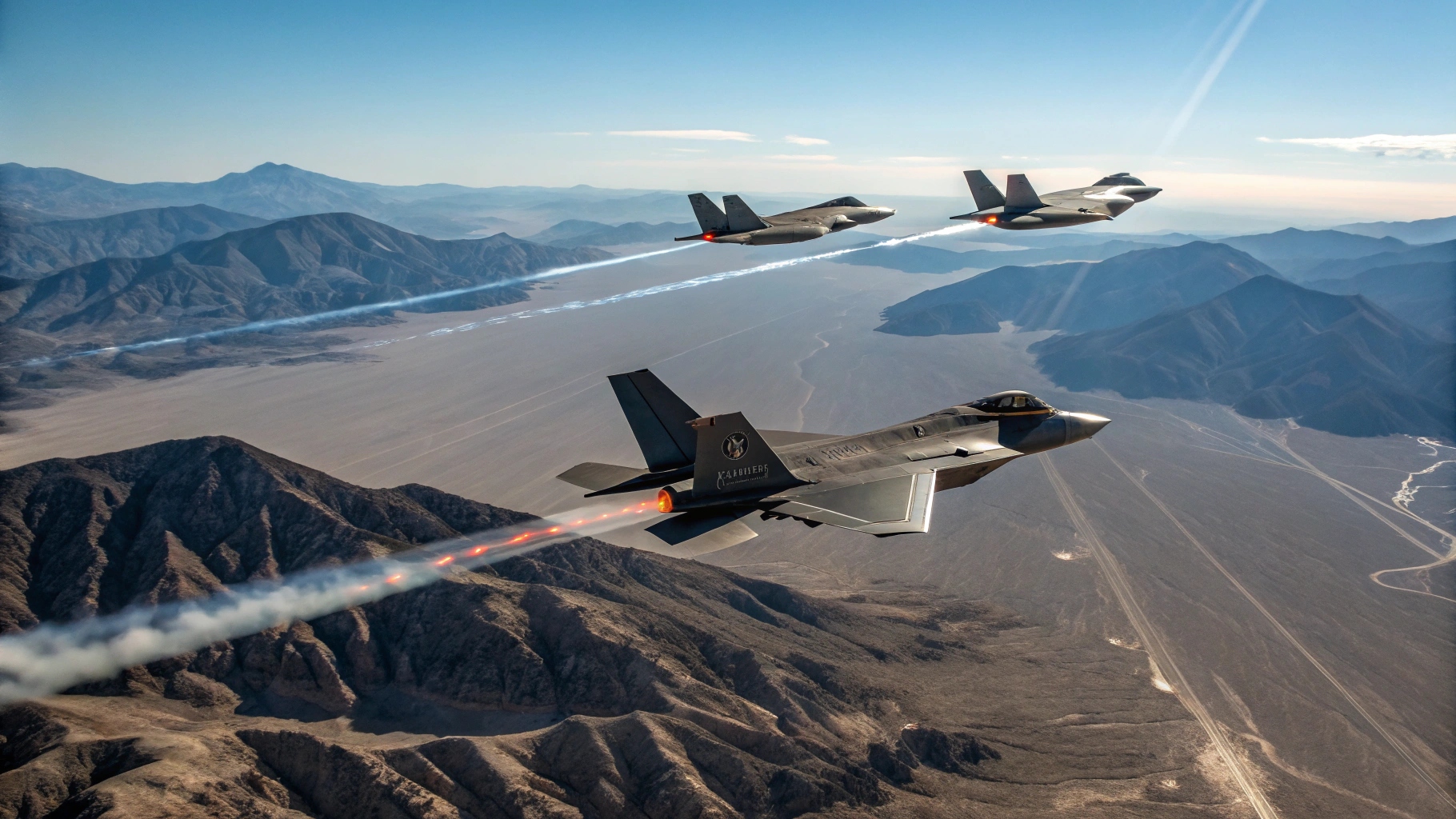
Kazakhstan is reportedly moving toward receiving its first Russian Su-57 fifth-generation fighter aircraft within the next two years. If completed, the acquisition would represent a major transformation for the country’s combat aviation fleet and introduce stealth-oriented technology into its air force.Official information about the planned delivery remains limited. However, regional defence reports indicate that Kazakhstan could become one of the relatively small number of countries operating a fifth-generation fighter outside Russia.The potential acquisition would represent a substantial change from Kazakhstan’s current fighter inventory. The country’s combat aviation force includes Su-30SM multirole aircraft and other platforms derived from the Soviet and Russian aircraft families.Introducing the Su-57 would require more than simply delivering the aircraft. Fifth-generation fighters rely on specialized maintenance procedures, secure communications and data networks, advanced mission systems, and extensive pilot and ground-crew training.Infrastructure would therefore be an important part of Kazakhstan’s transition to the new aircraft. Maintenance facilities, support equipment, mission-planning systems, and secure information networks would need to be adapted to accommodate the new platform.The potential purchase also illustrates Kazakhstan’s continuing defence-industrial and military relationship with Russia. Astana remains connected to Moscow through established security arrangements while simultaneously pursuing broader modernization of its armed forces.For Kazakhstan, a Su-57 acquisition would provide access to a much newer generation of combat aircraft and could significantly change the capabilities of its tactical aviation fleet. The aircraft’s introduction would also require the country to develop the operational infrastructure necessary to exploit a fifth-generation platform effectively.Although the reported delivery schedule has not been fully confirmed publicly, the development is being closely watched because of its implications for Kazakhstan’s airpower modernization and its continuing military relationship with Russia.