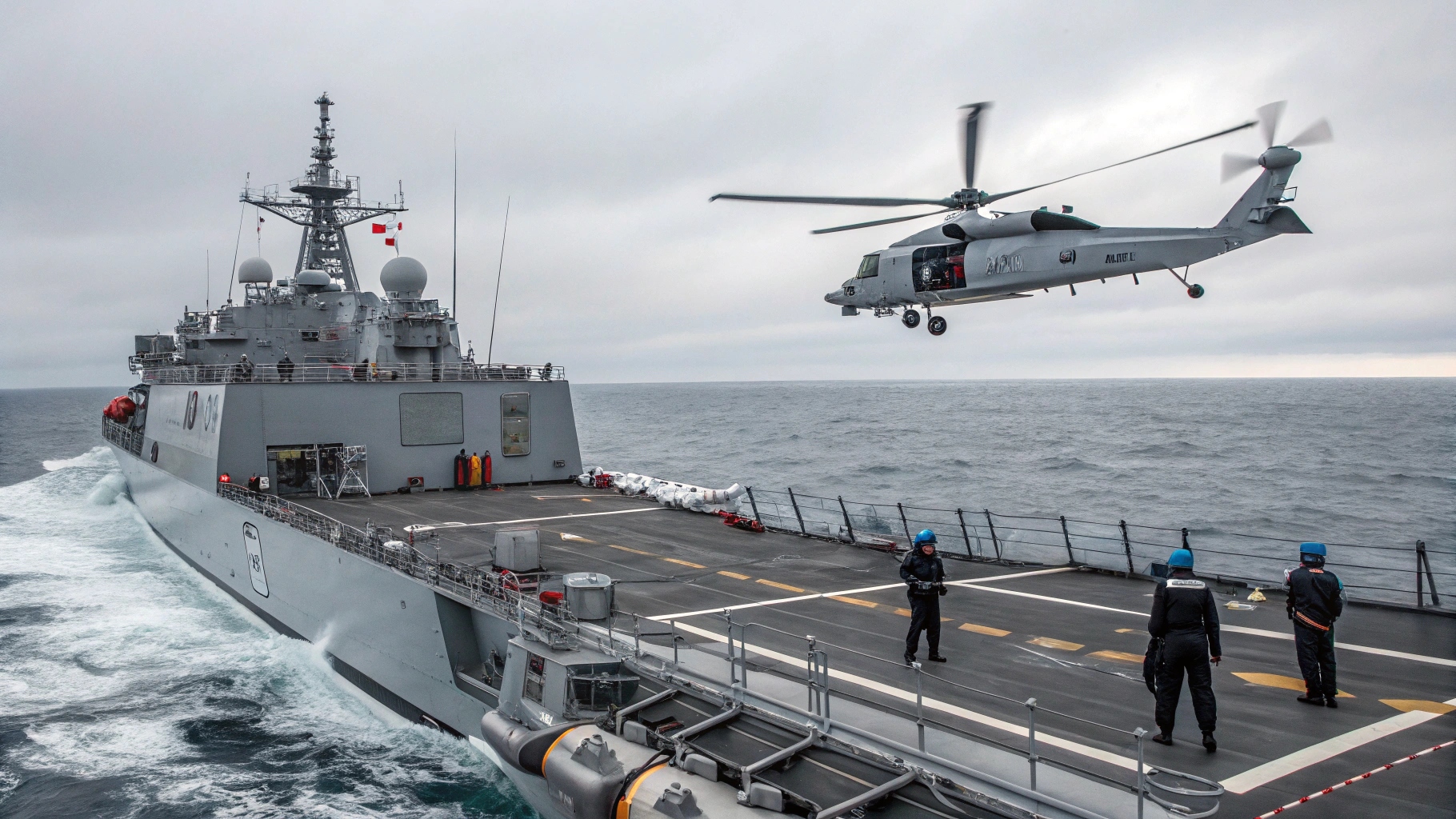
The US Navy is progressing with its long-term MH-60 Seahawk modernization program by selecting industry partners for a prototype effort designed to keep the helicopter fleet capable and adaptable through 2050.Sierra Nevada Corporation, Lockheed Martin Rotary and Mission Systems, Rockwell Collins, and Technology Security Associates will support different areas of the initiative. Their responsibilities include structural integration, flight-critical avionics, digital architecture, and verification of open-system technologies.The H-60 Multi-Mission Helicopter Program Office is leading the project in collaboration with the Royal Australian Navy. During Phase 1, participating companies will create preliminary designs for critical avionics and the aircraft’s digital backbone while preparing the platform for future testing. Phase 2 is expected to focus on prototype development and system verification.The program will rely heavily on digital engineering and modeling tools to shorten development timelines and make testing more efficient. It will also apply Modular Open Systems Approach principles, allowing new sensors, software, electronics, and other technologies to be integrated with fewer major redesigns.This flexible architecture could eventually provide useful lessons for future vertical-lift aircraft programs that require regular technology upgrades throughout their operational lives.Seahawk DevelopmentThe Seahawk family originated in the 1970s after the US Navy began looking for a replacement for the SH-2 Seasprite. The service used the Army’s UH-60 Black Hawk as the foundation for its new helicopter, leading to the SH-60B, which entered service in 1984.The platform later developed into the MH-60R and MH-60S. The MH-60R performs anti-submarine warfare, surface warfare, electronic warfare, and command-and-control missions. The MH-60S supports combat search and rescue, special operations, anti-surface warfare, and airborne mine-countermeasure operations.The Navy is engaging industry through an Other Transaction Authority agreement under the Naval Aviation Systems Consortium. Final contractual arrangements will depend on successful negotiations and completion of Phase 1 statements of work.