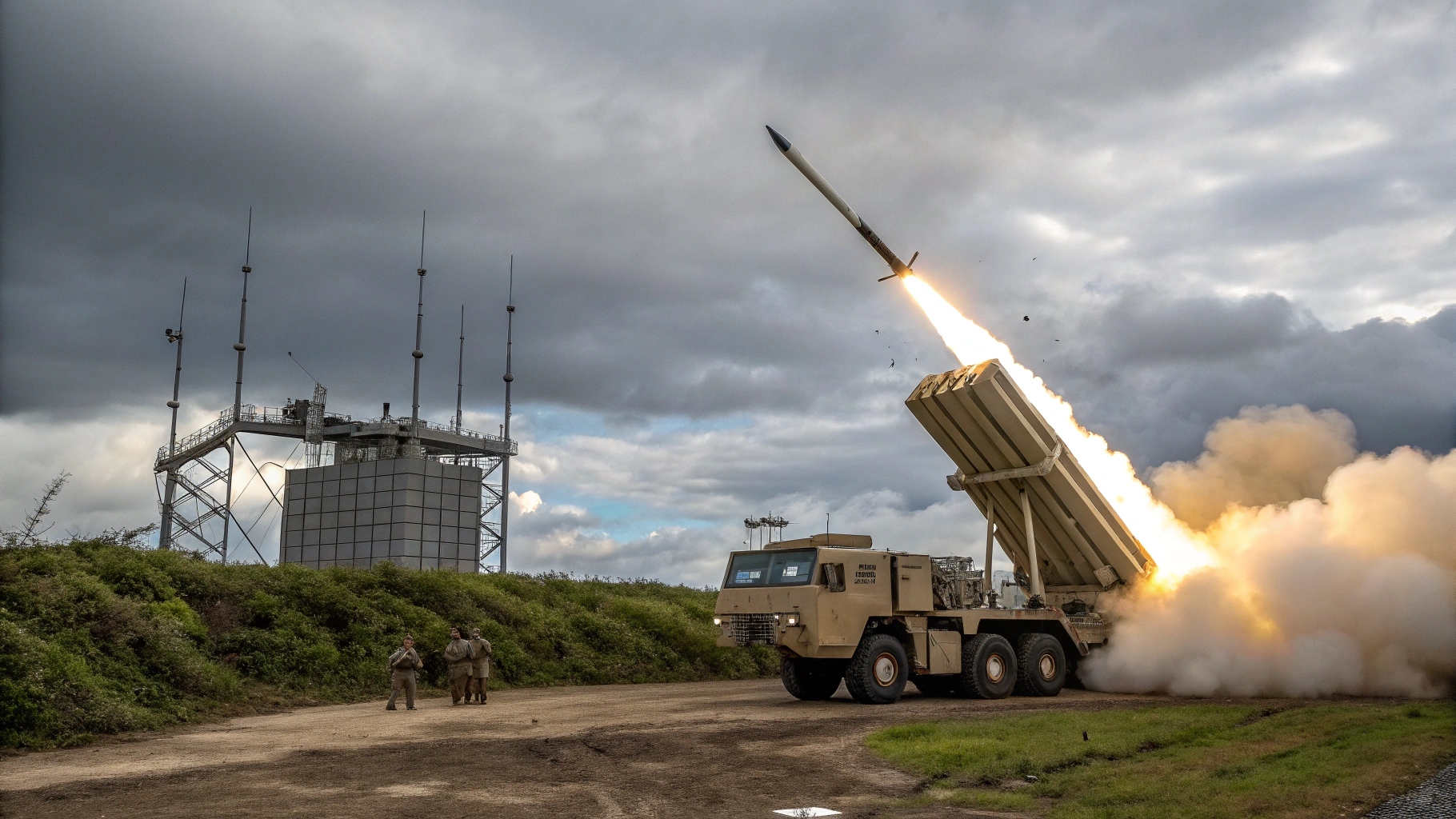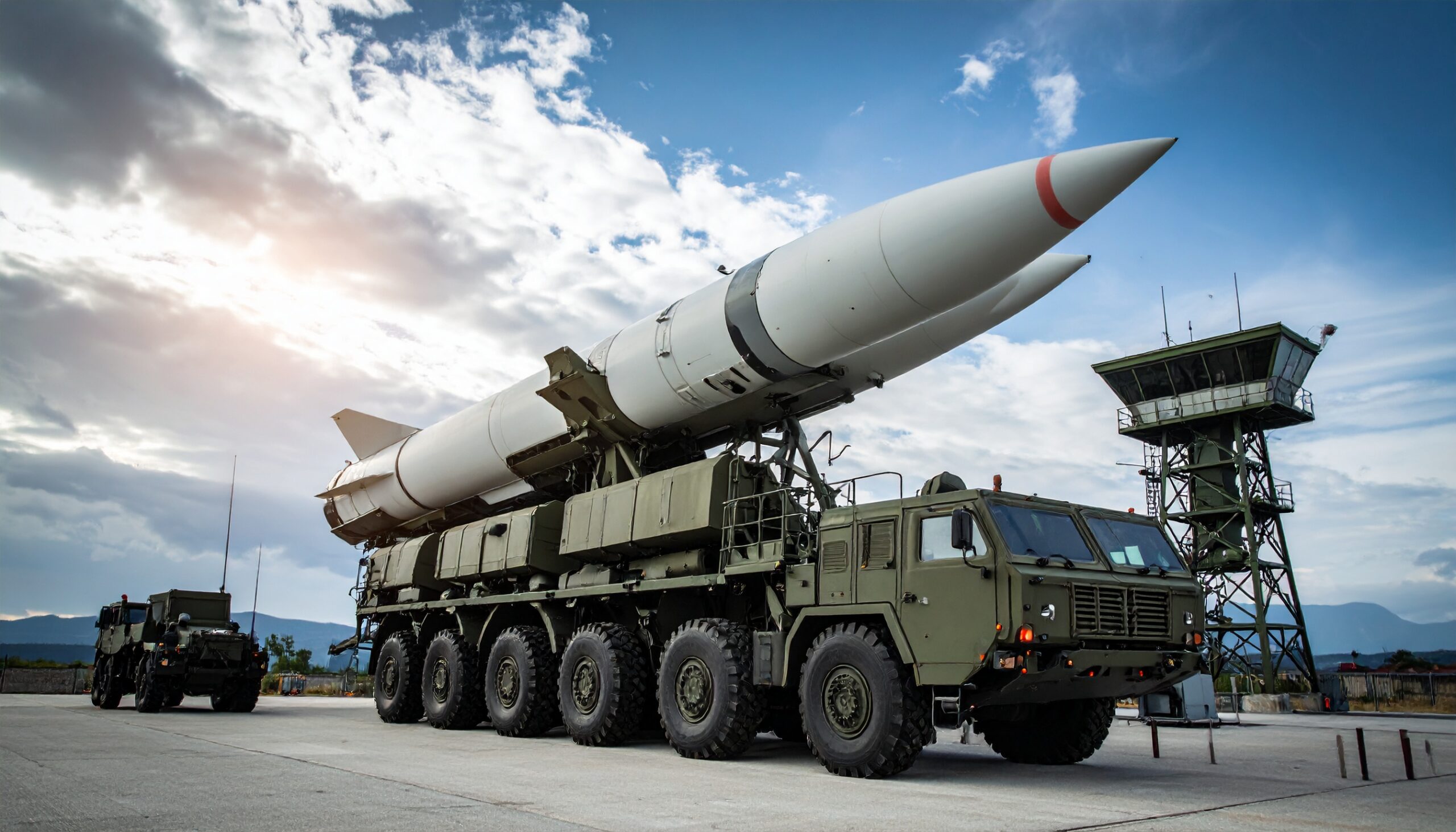
The US Army has awarded Lockheed Martin a $1.08-billion contract to advance development of the next-generation PAC-3 Edge interceptor, aimed at countering emerging air and missile threats. The new interceptor, unveiled earlier this month, will build on the combat-proven PAC-3 Missile Segment Enhancement (MSE) architecture, offering improved range, altitude, speed and maneuverability. Selected for the Army’s Future Interceptor program, PAC-3 Edge is expected to enter testing in 2027, with operational deployment targeted for 2031. Under the agreement, the Army and Lockheed Martin will develop prototypes and assess the missile against operational requirements. The project will receive $660.4 million in government funding, while Lockheed Martin will contribute $423 million through a cost-sharing arrangement. Designed to expand Integrated Air and Missile Defense coverage against aircraft, missiles and hypersonic threats, PAC-3 Edge will integrate with existing and future platforms, including the Integrated Battle Command System, M903 and containerized launchers, and HIMARS Flex. Its propulsion system will feature a Northrop Grumman-developed three-pulse solid rocket motor, delivering controlled thrust throughout flight, alongside an internally developed seeker and upgraded flight controls for improved long-range and high-altitude performance. Lockheed Martin has already invested $250 million in its Strigo Product Center and plans an additional $800 million investment in seeker technology. Production will take place in Camden, Arkansas, where the company is developing an automated MSE manufacturing facility as part of its plan to triple interceptor output within seven years. The existing production line will subsequently be upgraded to manufacture PAC-3 Edge.