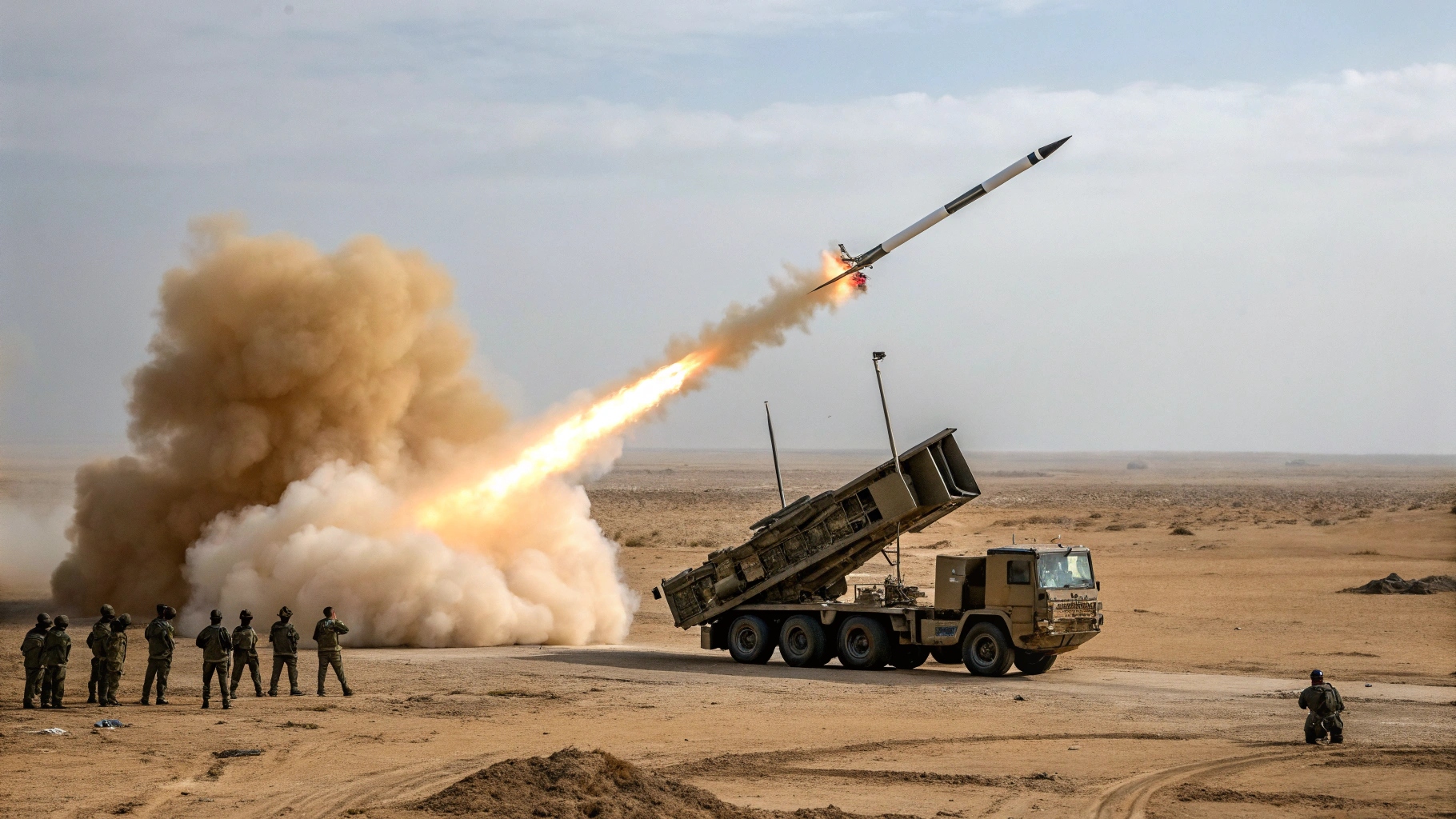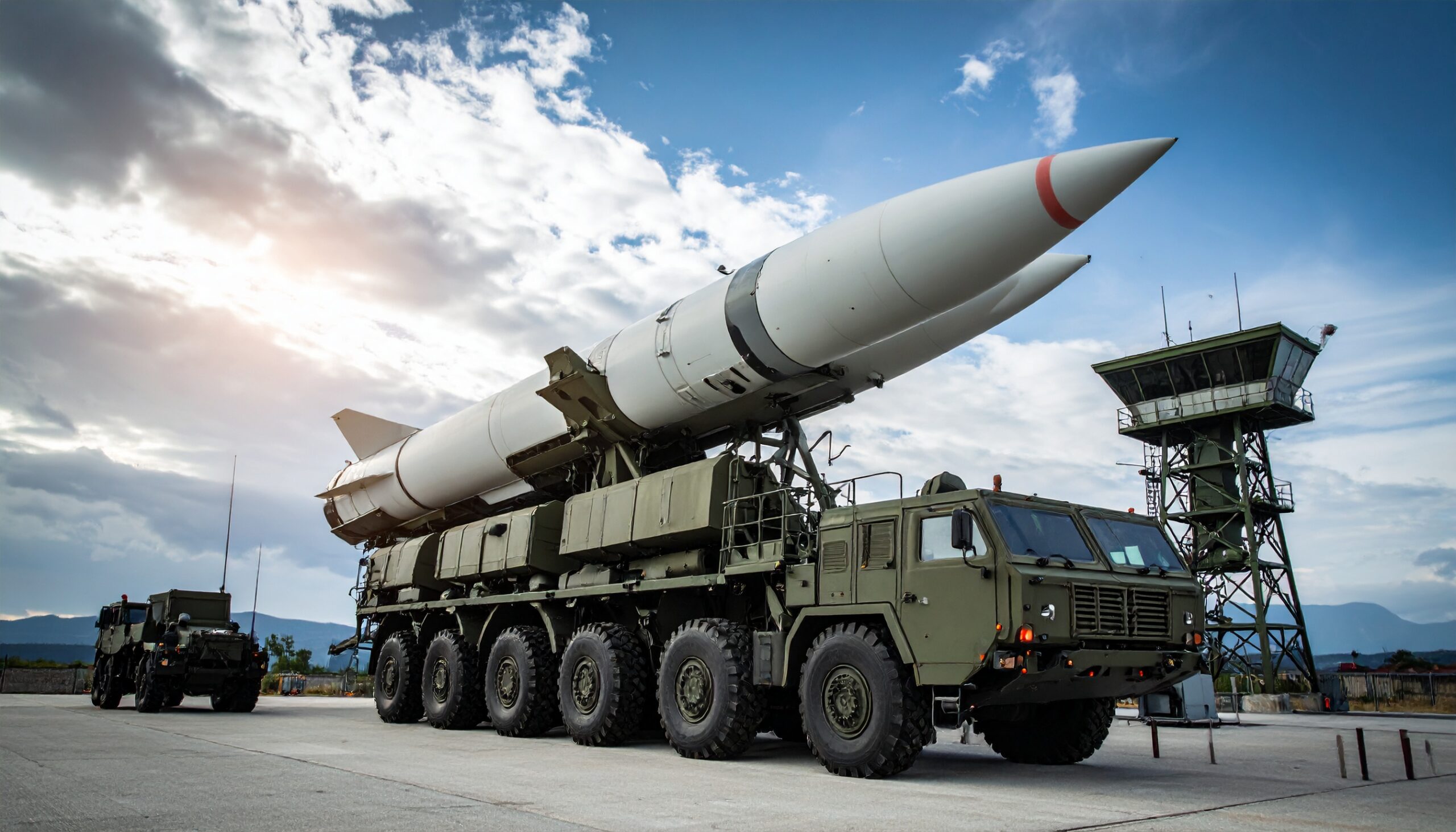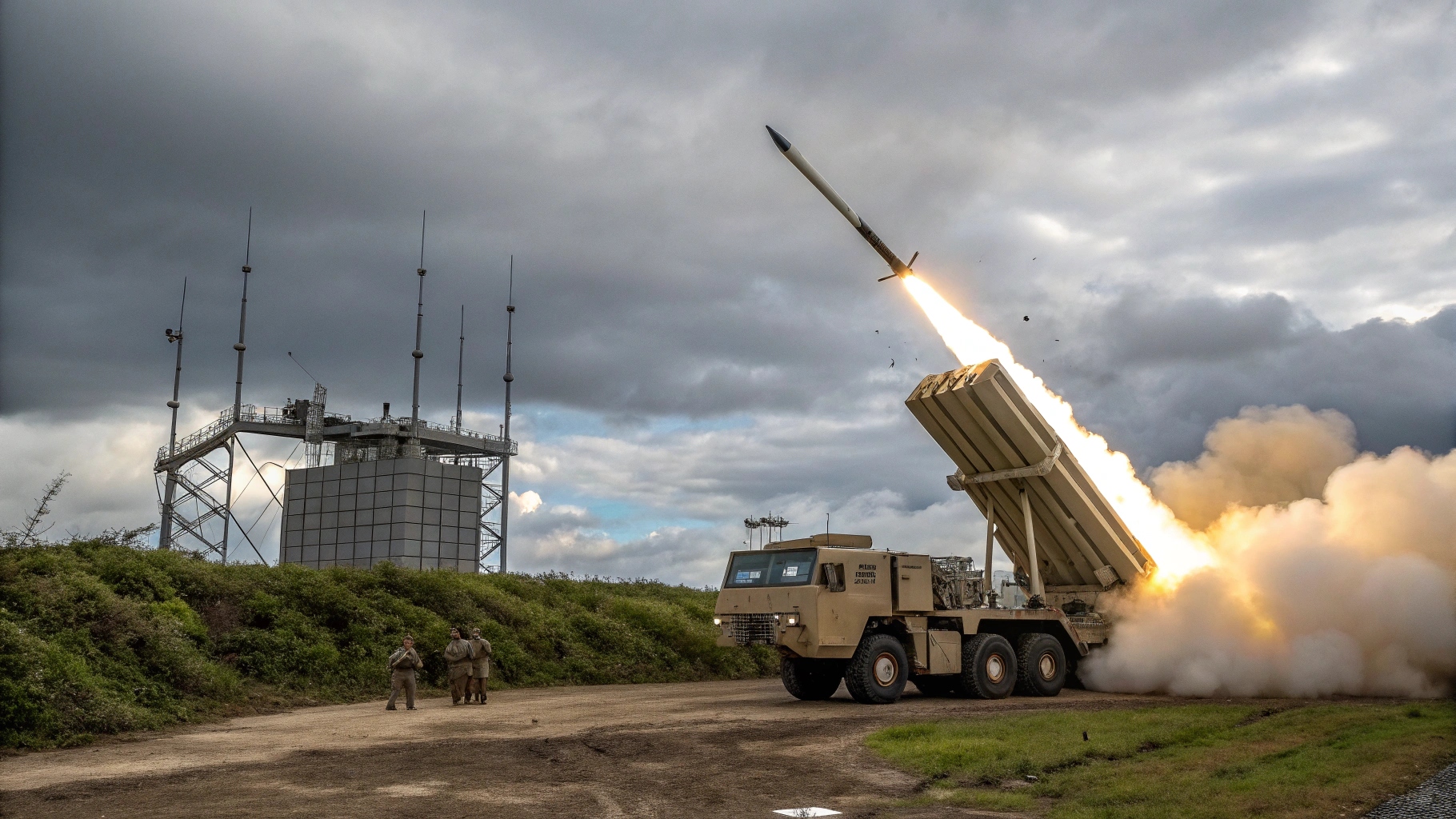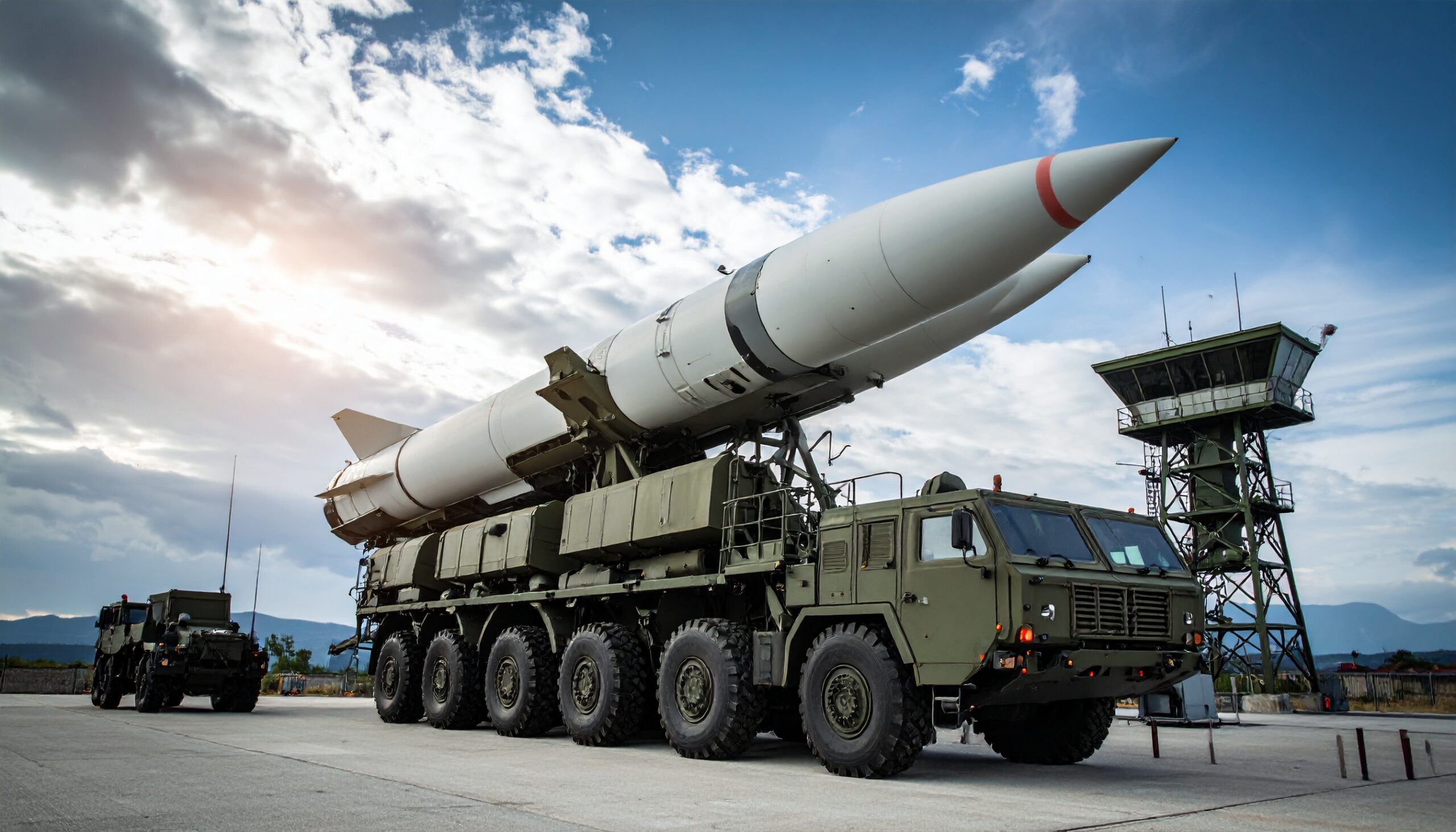
India has developed a broad range of long-range strike systems, including BrahMos and the planned Long-Range Land Attack Cruise Missile (LR-LACM). However, modern conflicts highlight the value of sustained and affordable precision fires. This creates a potential requirement for a mass-produced subsonic cruise missile with a range of about 500 km.
Such a system would complement rather than replace higher-end weapons. BrahMos provides speed, precision and survivability but requires sophisticated propulsion, seekers and guidance systems. The LR-LACM is intended for deeper strategic strike missions. Using these premium weapons against every battlefield target could consume limited stocks and increase costs.
Targets such as logistics hubs, ammunition depots, radar sites, bridges, fuel facilities and secondary command centres may not always require a supersonic or strategic missile. A simpler 500-km weapon could provide the necessary effect at lower cost and in larger quantities.
Mass production is another consideration. Advanced cruise missiles depend on specialised manufacturing, complex propulsion, precision electronics and tightly controlled supply chains. These factors can make rapid wartime production difficult. A missile designed specifically for high-volume manufacturing could use simplified architecture, modular construction and broader participation from India’s private defence industry.
Indigenous compact turbofan programmes, including engines in the 4.5 kN thrust class, could potentially provide a domestic propulsion option. A distributed industrial base could also improve production resilience.
A large inventory of affordable cruise missiles could create additional pressure on integrated air-defence systems. Defenders have finite interceptor stocks, and repeated attacks can force them to expend costly interceptors against lower-cost incoming weapons. After air-defence networks are saturated or weakened, more valuable weapons could exploit the resulting gaps.
The system could also provide theatre commanders with greater access to precision strike. Instead of reserving scarce strategic missiles for higher-level missions, commanders could use a widely available 500-km missile against airfields, logistics facilities, troop concentrations, fuel depots and command sites.
The concept therefore fits into a layered strike portfolio. BrahMos could remain focused on time-sensitive and heavily defended high-value targets, while LR-LACM could perform strategic deep-strike missions. A mass-produced subsonic missile would occupy an intermediate layer, providing affordable precision effects in larger numbers. Its value would lie not in replacing premium weapons but in increasing overall strike capacity and endurance.