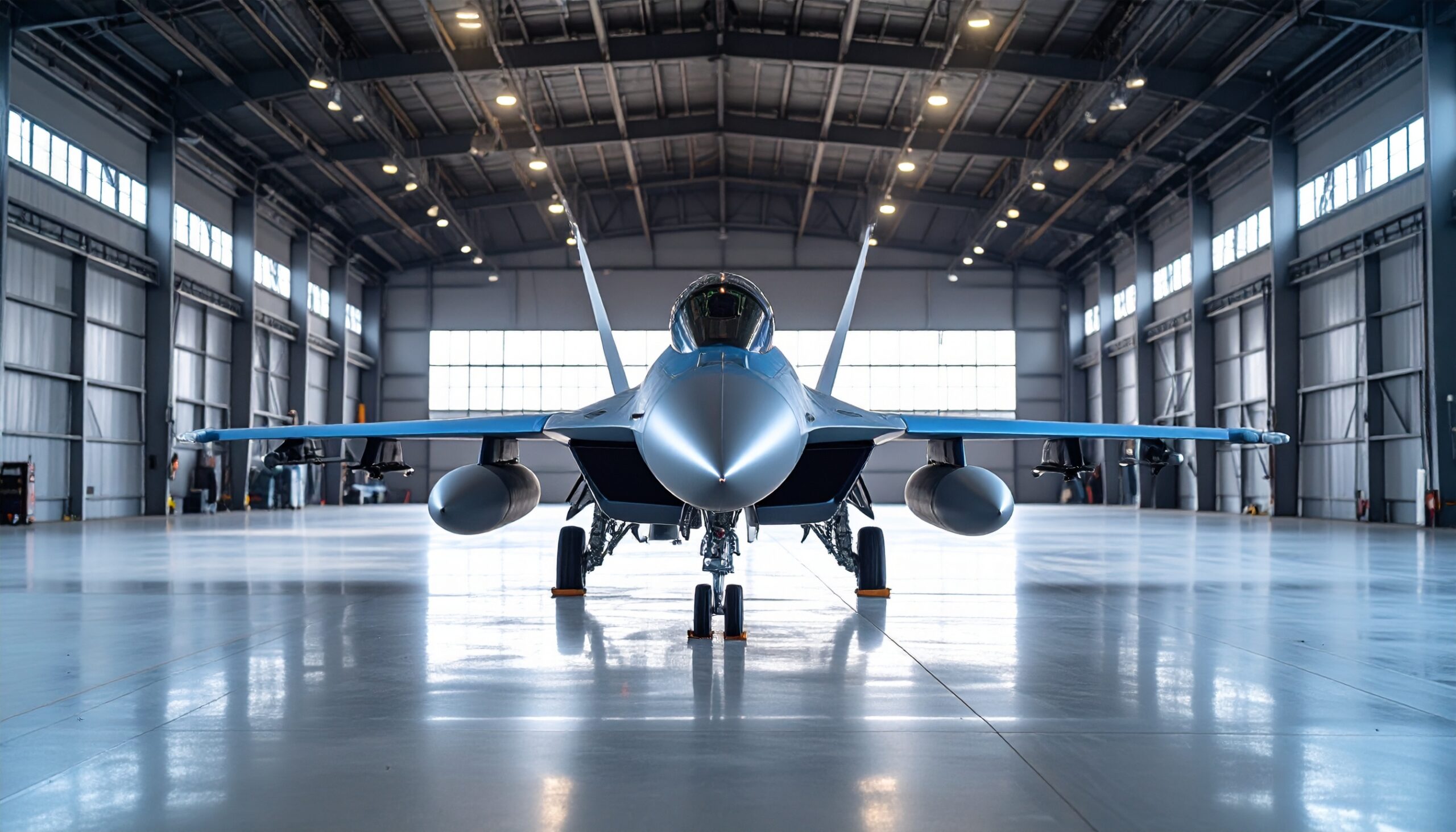
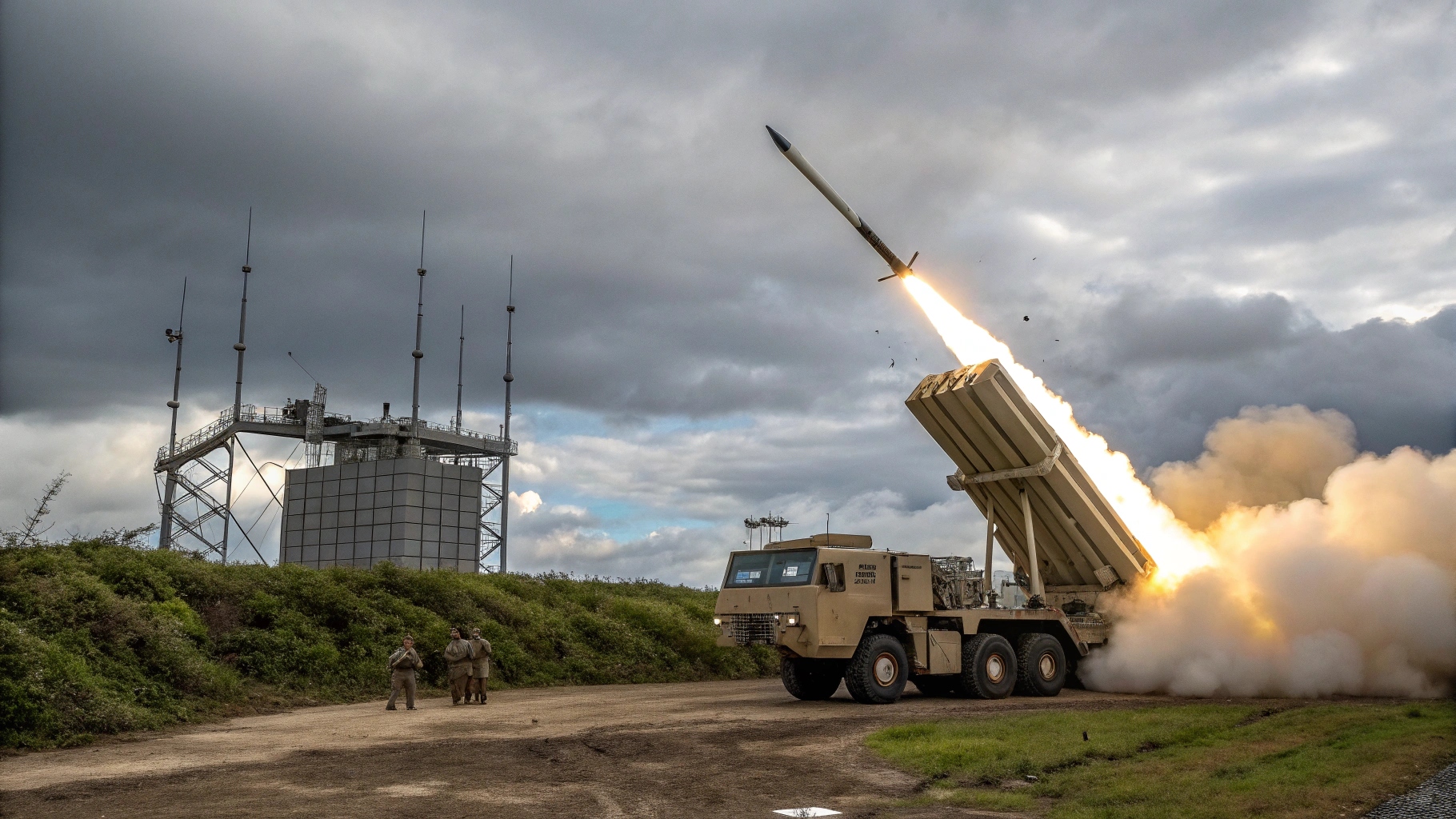
Bengaluru-based defense startup Vertotech Aerospace has announced the development of V-RUDRA, an indigenous medium-range surface-to-air missile concept intended to strengthen air-defense capabilities against a variety of aerial threats.The proposed missile is designed around a stated engagement range of up to 120 kilometers and a maximum speed of approximately Mach 4.5. The company says the system could be used against targets such as fighter aircraft, helicopters, UAVs, cruise missiles, and other airborne threats.One of the concept’s notable characteristics is its proposed dual-mode radar and electro-optical guidance architecture. Combining these sensing methods could provide additional target-identification and engagement options, particularly in environments affected by electronic warfare and radar jamming.Radar-based systems can support long-range detection and tracking, while an electro-optical sensor can provide an additional means of target identification and terminal guidance. A multi-sensor approach could potentially improve resilience against electronic countermeasures.With its stated 120-kilometer range, V-RUDRA falls within the medium-range air-defense category. Such systems can be used to protect military bases, strategic infrastructure, command facilities, industrial locations, and deployed forces from airborne threats.The proposed Mach 4.5 speed would allow the interceptor to reach targets rapidly, reducing the available response window for defenders and enabling engagements against fast-moving threats.However, Vertotech has not publicly disclosed several key technical details, including the propulsion system, launcher configuration, missile dimensions, warhead, seeker specifications, command-and-control architecture, supporting radar, development schedule, or technology-readiness level.Developing a medium-range SAM requires the integration of propulsion, seekers, guidance systems, communications, command-and-control software, and surveillance radars, all of which require extensive testing and validation before operational deployment.V-RUDRA would join an Indian air-defense environment that already includes systems such as Akash, Akash-NG, MRSAM, QRSAM, VL-SRSAM, and S-400. Its development would also highlight the expanding role of private Indian companies in advanced missile technology under initiatives supporting defense innovation and indigenous manufacturing.Although V-RUDRA remains a development concept, its announcement demonstrates the growing participation of Indian startups in sophisticated air-defense technologies and could eventually add another domestic option to the country’s layered air-defense architecture if the required technologies are successfully matured.