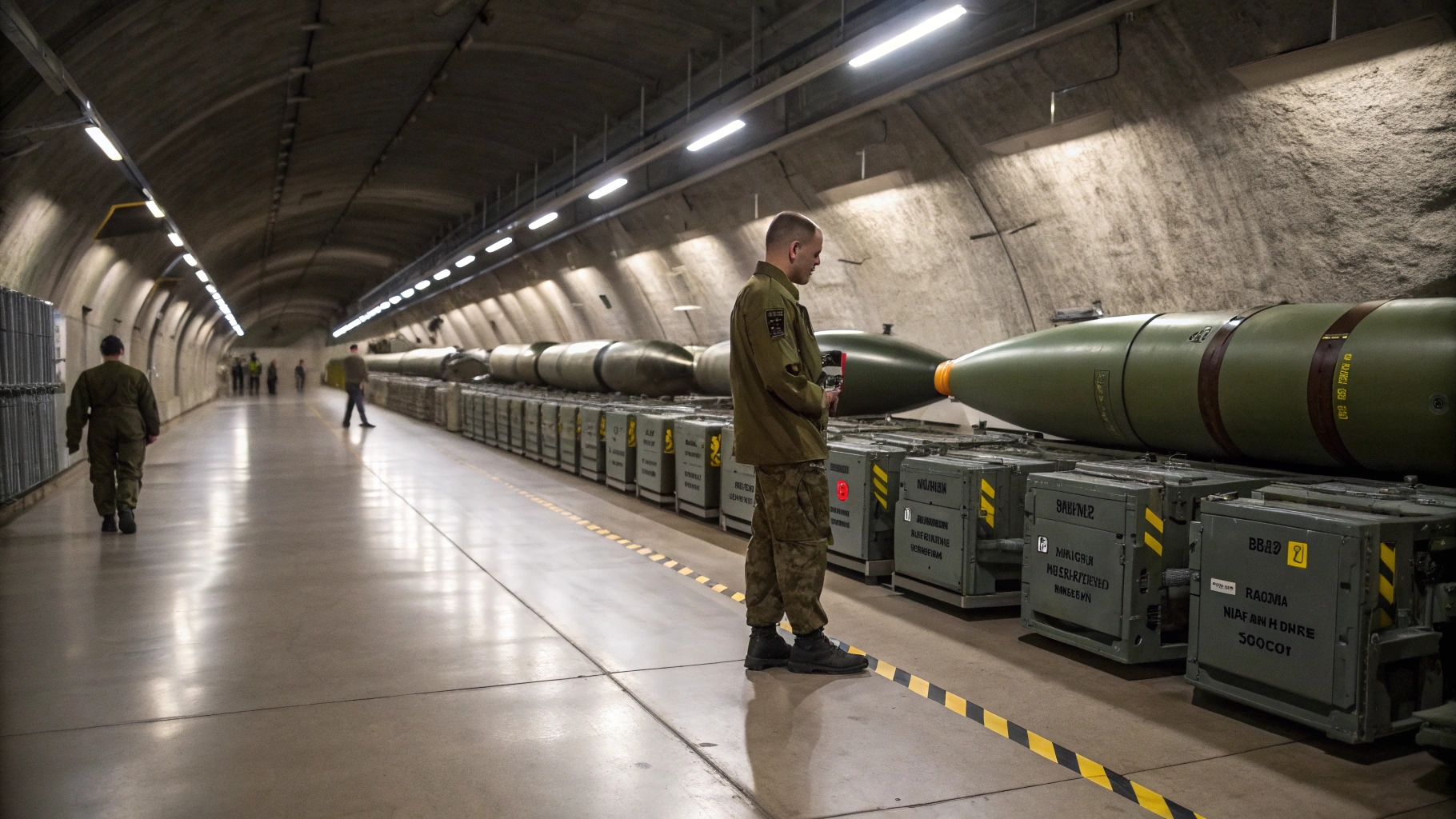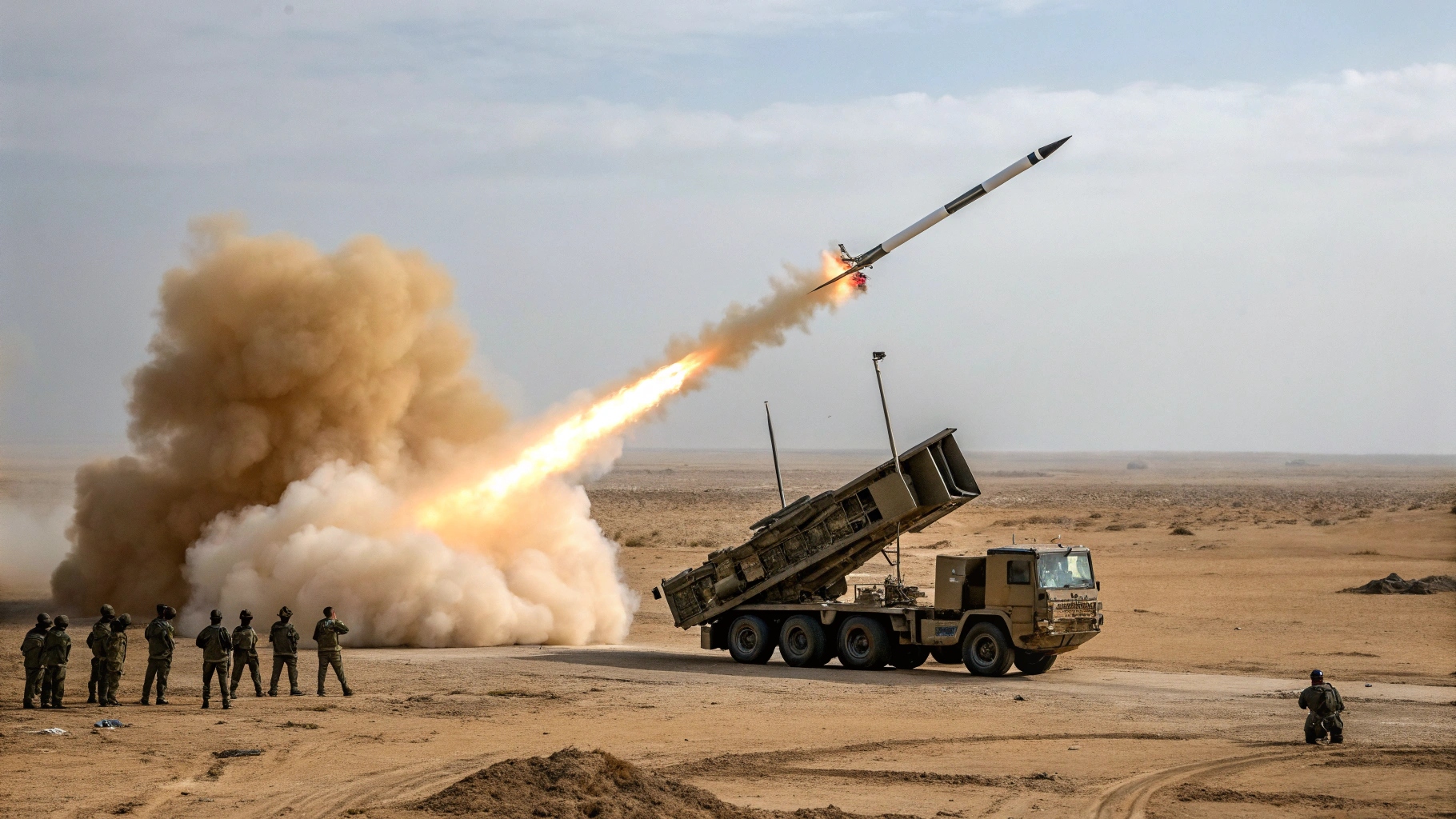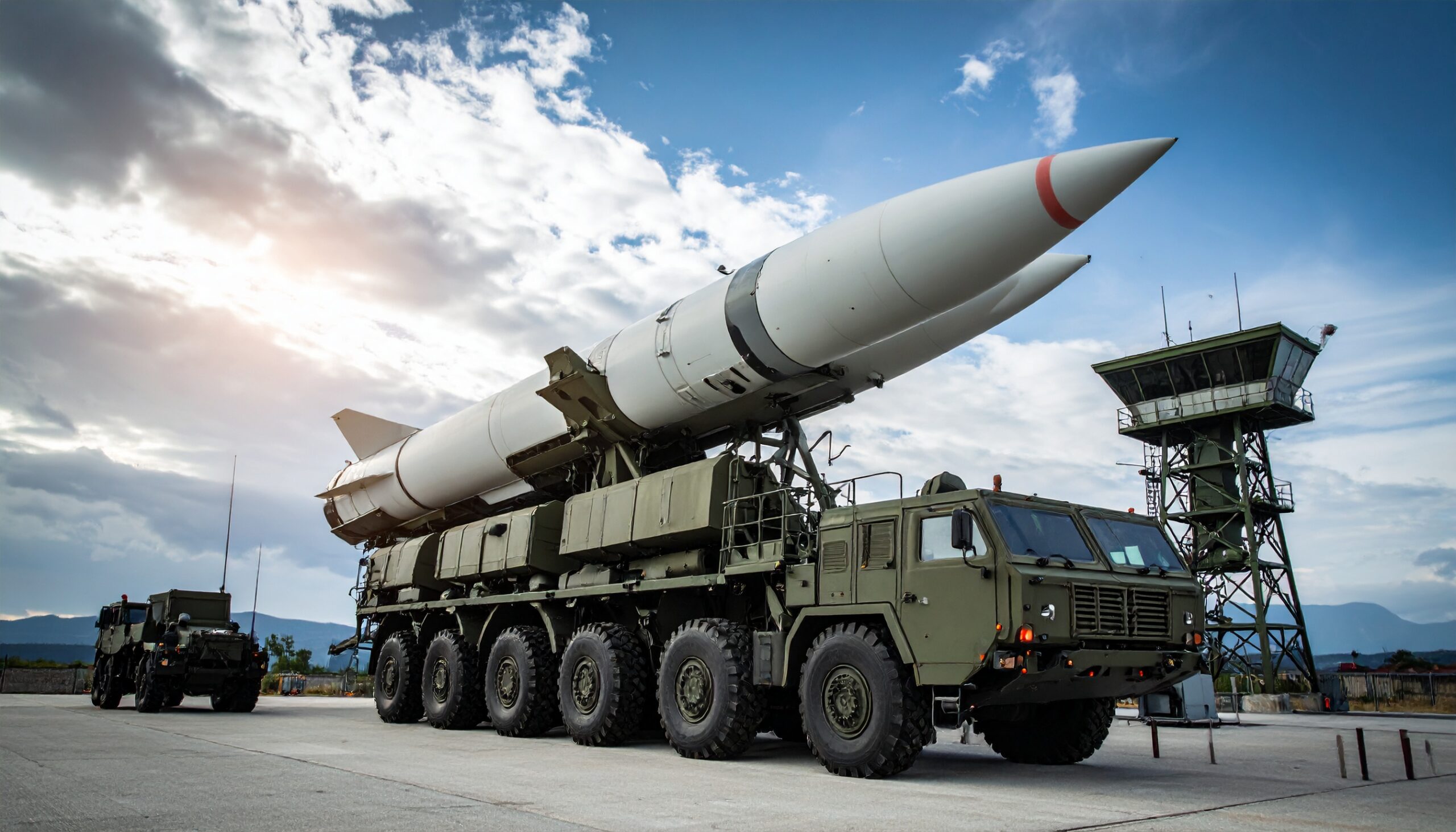
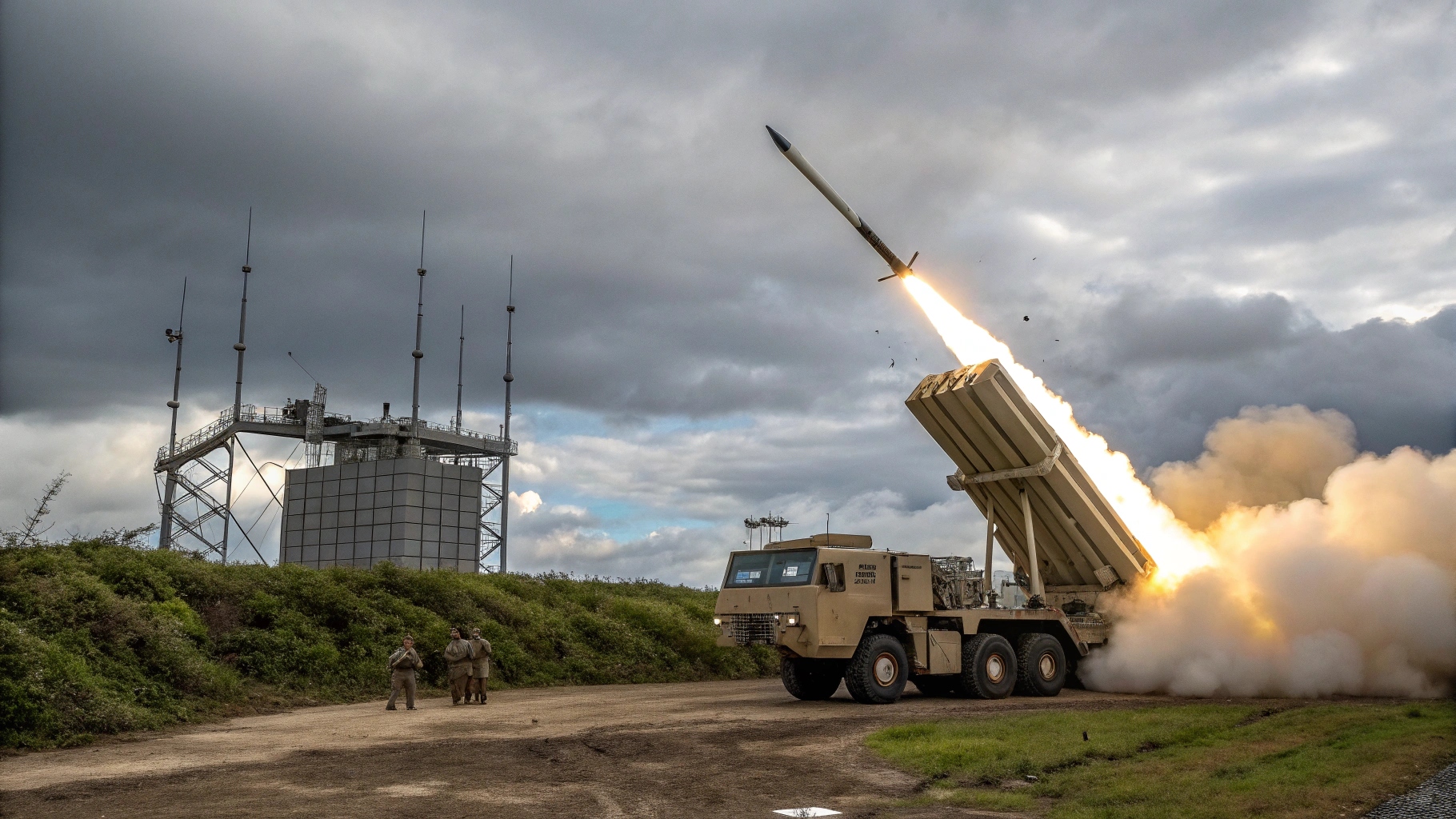
The Australian Army’s National Advanced Surface-to-Air Missile System has reached final operational capability, marking an important milestone in the country’s integrated air and missile defence programme. The achievement confirms that NASAMS has completed the required operational validation and is now ready for Australian Defence Force missions.NASAMS was delivered through the Short Range Ground Based Air Defence project and forms the inner layer of Australia’s broader Joint Integrated Air and Missile Defence architecture. It will replace the Army’s existing short-range air-defence capability, including the RBS-70, as its primary system for defending against aerial threats.Australia has incorporated significant domestic technology into its NASAMS configuration. The SRGBAD project was approved in 2017 and subsequently enhanced in 2019 through the integration of Active Electronically Scanned Array radars developed by Canberra-based CEA Technologies. Australian industry has also supported system integration, sustainment and ongoing support within the country.The Australian configuration includes CEA radar technology, a Hawkei-based launcher and an infrared/optical sensor. The system can fire AMRAAM or Sidewinder missiles from Hawkei-mounted high-mobility launchers or from Mk II canister launchers carried on HX77 heavy trucks. Each launcher can carry up to six missiles. A NASAMS troop will operate three launchers, while the Adelaide-based 110th Battery of 16 Regiment is the first Australian Army unit to receive the system. The regiment is planned to eventually operate two NASAMS batteries.NASAMS was jointly developed by Kongsberg Defence & Aerospace and Raytheon in cooperation with the Royal Norwegian Air Force. It uses interceptor missiles equipped with high-explosive blast-fragmentation warheads and can engage fixed-wing and rotary-wing aircraft, drones and cruise missiles. Its engagement range can reach approximately 60 kilometres, while its distributed sensor network can detect threats at ranges of around 120 kilometres and engage targets at altitudes of up to 21,000 metres. More than a dozen countries, including Ukraine, Australia, Chile, Spain and the United States, use or are procuring NASAMS.