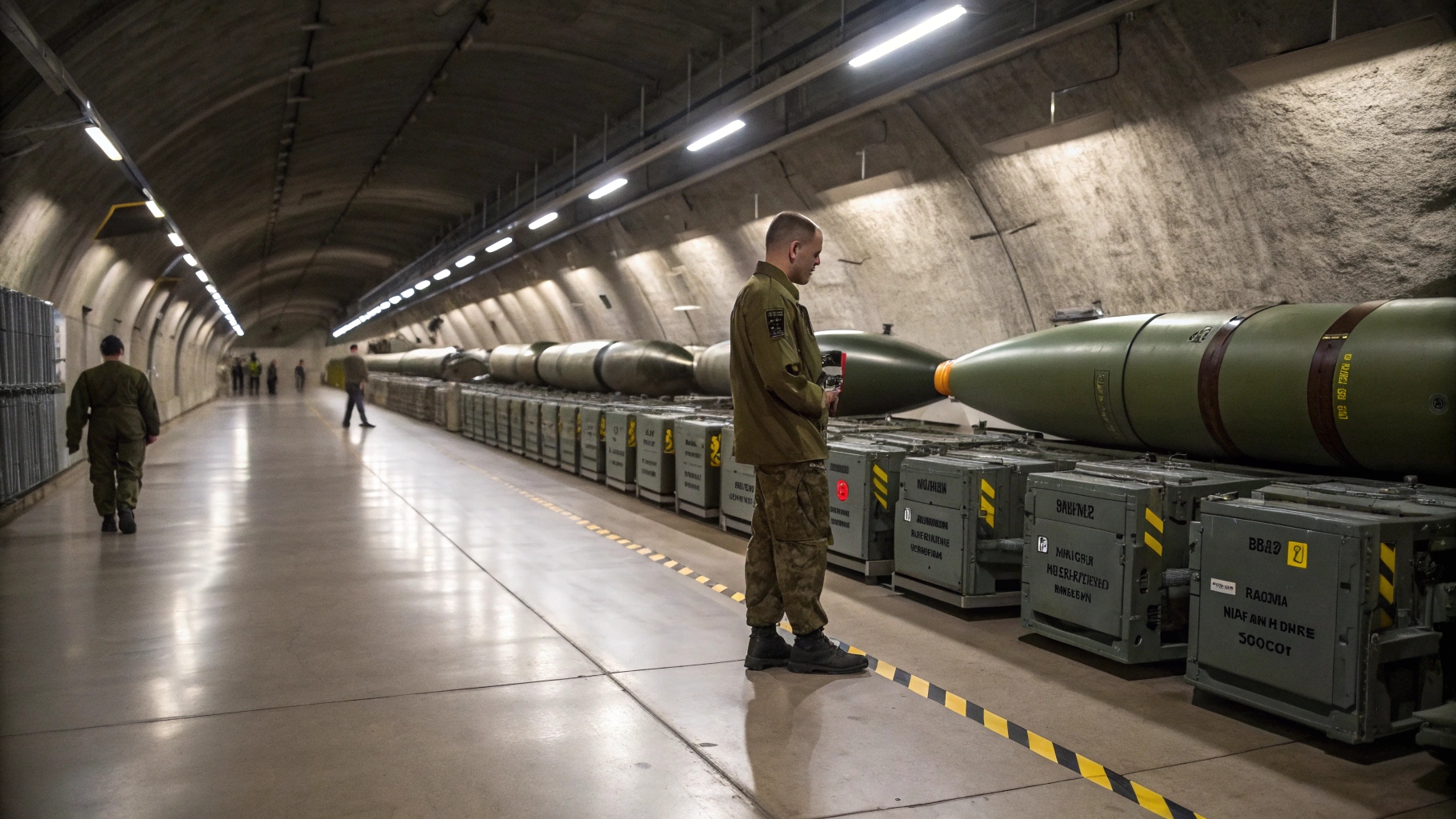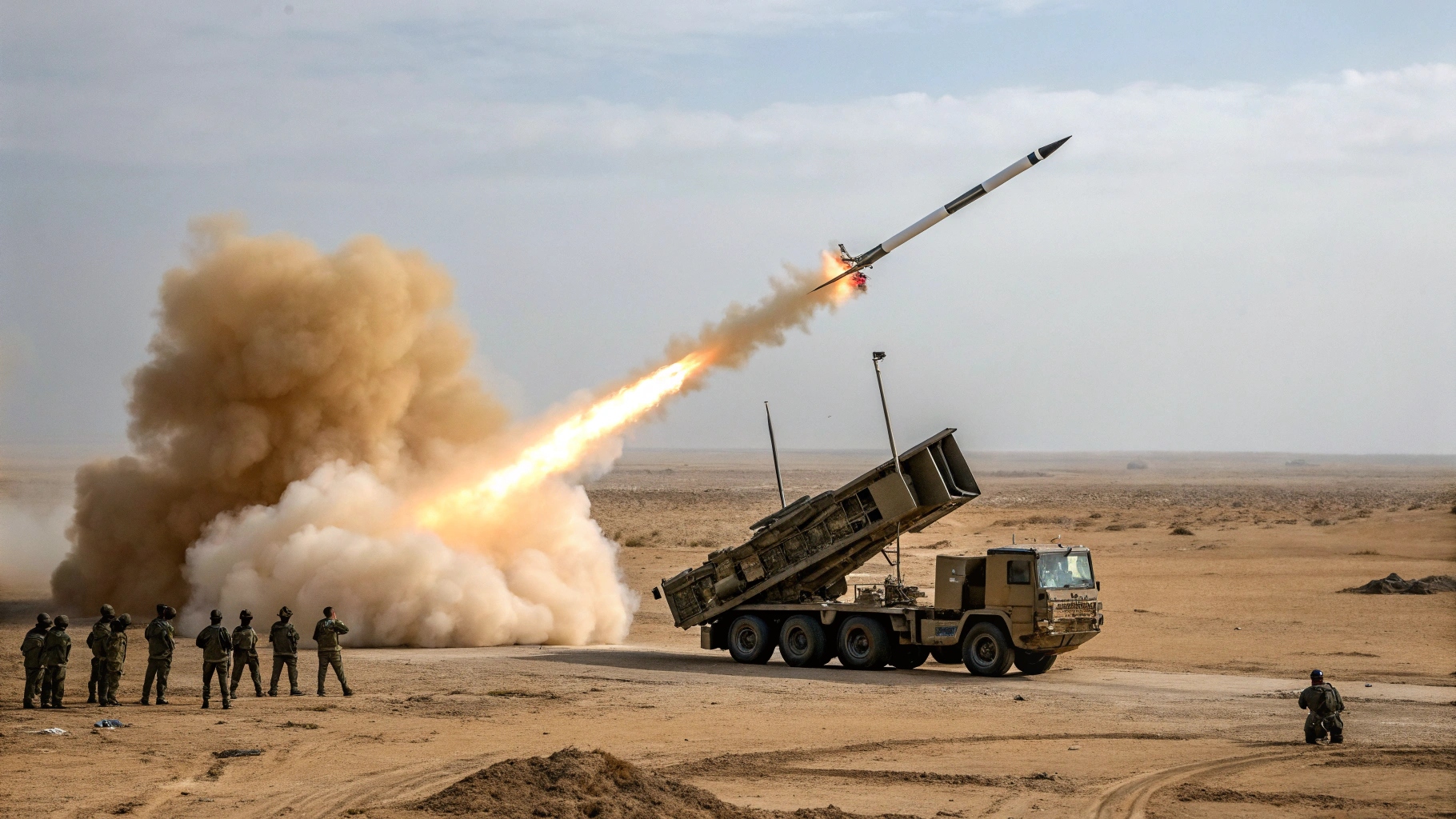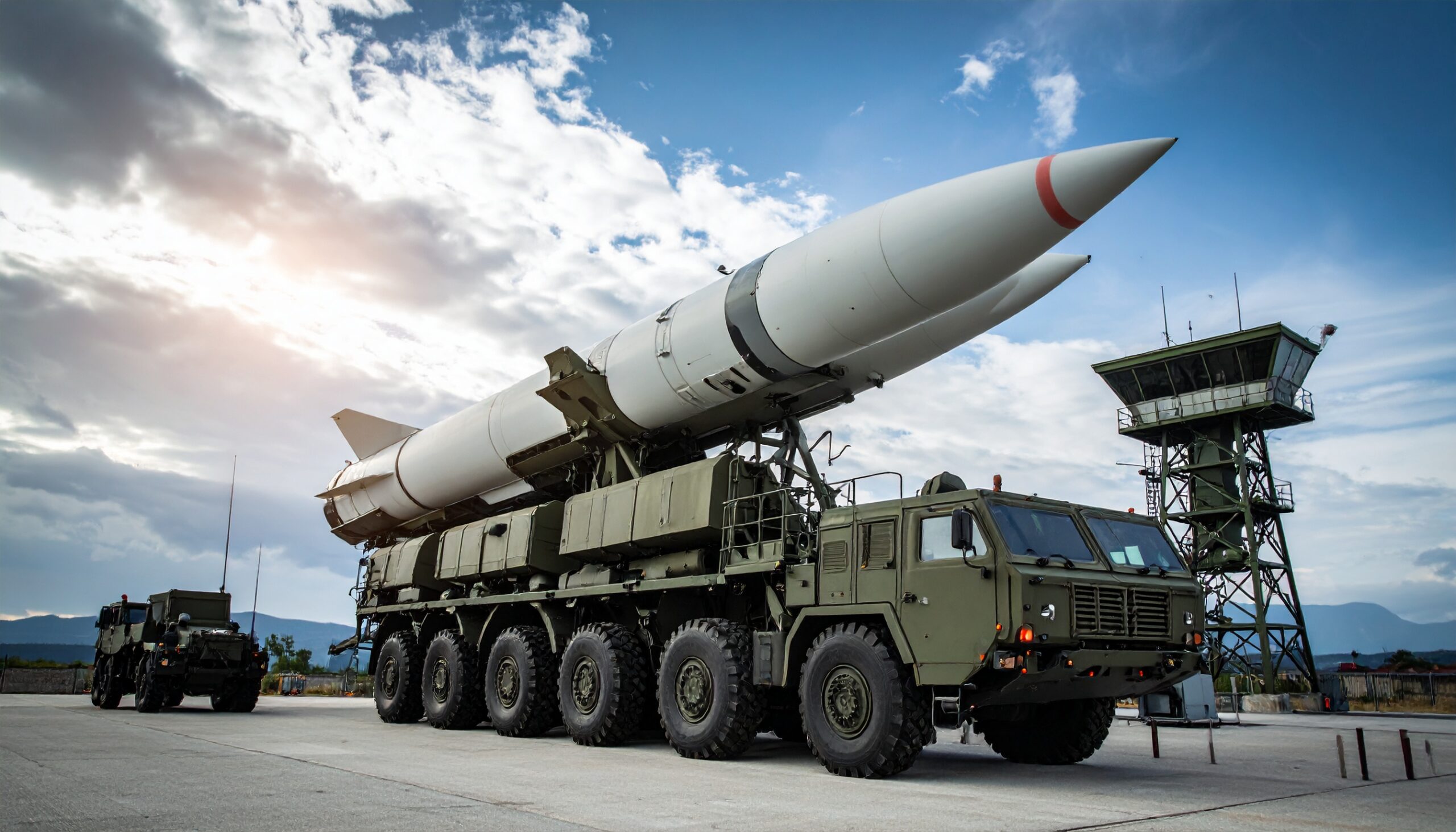
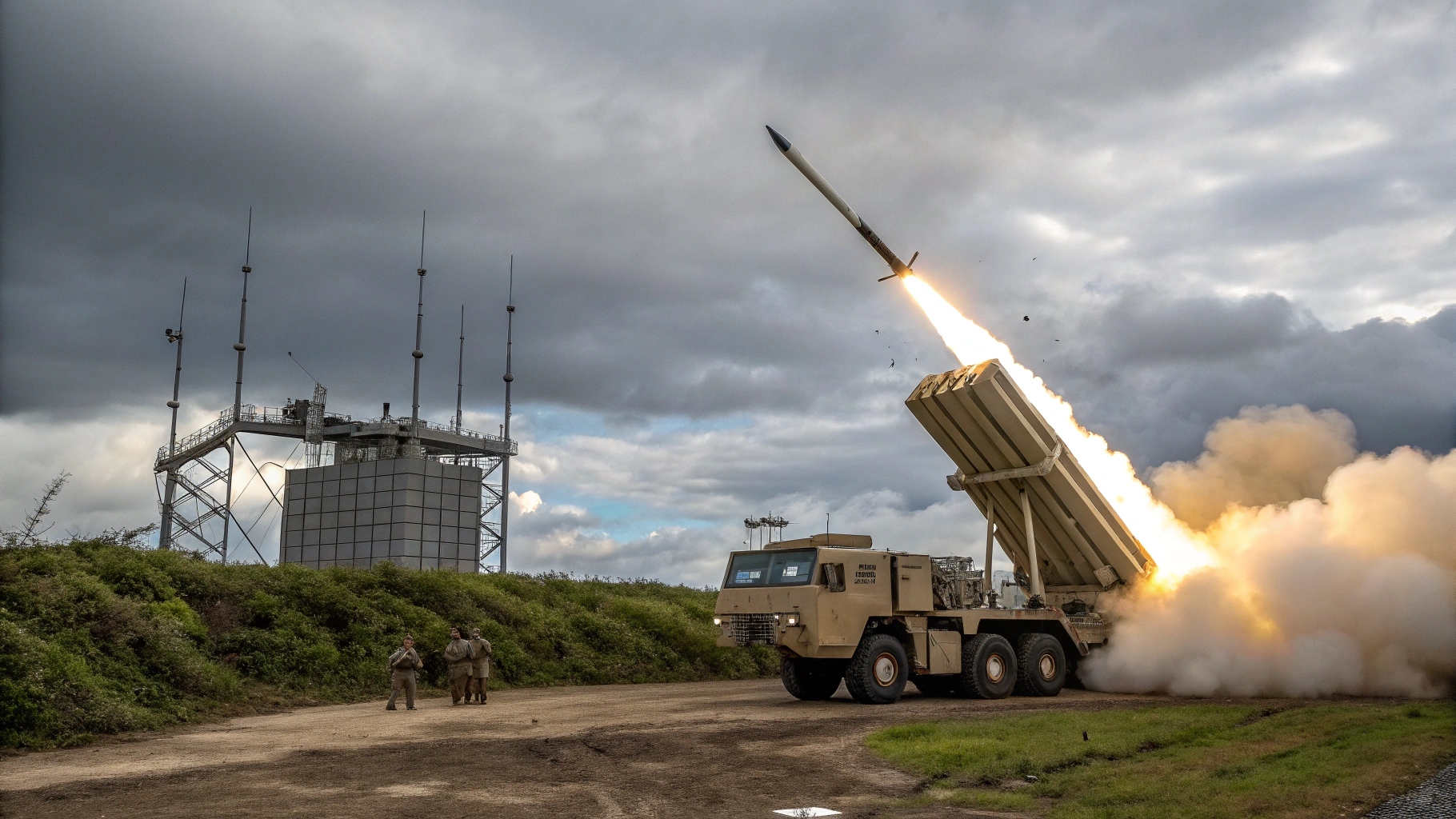
Premier Explosives Limited (PEL) has disclosed that it supplies 100% of the solid propellant requirements for the production-stage MRSAM, LRSAM, and Astra missile programmes, highlighting its extensive role in India’s indigenous missile manufacturing ecosystem. The company’s contribution covers the complete solid-propellant requirement for all three systems, with DRDO and Bharat Dynamics Limited (BDL) identified as principal customers. MRSAM serves the Indian Army, LRSAM is deployed by the Indian Navy, and Astra is the Indian Air Force’s indigenous beyond-visual-range air-to-air missile. PEL has also stated that it developed combustion-stable solid propellants for these programmes, indicating involvement from research and development through production. The company has not disclosed revenue contributions, annual production volumes, contract values, or delivery schedules for these missile programmes. Its involvement extends across several other Indian weapons systems. For the Akash surface-to-air missile, PEL reports supplying more than 2,500 booster grains and over 450 sustainer grains, although the delivery period for these quantities has not been specified. The company also supplies pyrogen igniters for every stage of the Agni ballistic missile family, demonstrating its participation across the strategic missile programme, although production quantities remain undisclosed. Its role in the BrahMos supersonic cruise missile involves rocket-motor manufacturing and integration rather than propellant supply alone. BrahMos is deployed across the Indian Army, Navy, and Air Force and remains one of India’s major missile export programmes. PEL’s broader capabilities are supported by decades of experience in high-energy materials and solid-propellant technologies. The company has previously described itself as India’s first private-sector manufacturer of solid propellants for missile programmes and has participated in multiple defence and aerospace initiatives. Research and development remain central to its operations, with collaborations involving Gulbarga University, IIT Madras, and BITS Pilani on high-energy materials. Although specific research projects have not been linked to individual missile programmes, these partnerships support the company’s propellant, igniter, and rocket-motor activities. PEL also reports that its laboratories are certified by the Department of Scientific and Industrial Research and accredited by the National Accreditation Board for Testing and Calibration Laboratories. These facilities support the development, testing, and validation of energetic materials. The company employs more than 850 people, including approximately 100 engineers and scientists, while around 550 employees are trained specifically in propellant and pyrotechnic products. Under its Vision 2030 strategy, PEL aims to increase its participation in missile integration as a strategic partner through DRDO’s Development-cum-Production Partner schemes, building on its existing rocket-motor integration experience. Other plans include expanding production of high-explosive raw materials such as RDX, HMX, TNT, and ammonium perchlorate to meet growing defence demand. However, the company has not disclosed investment amounts, capacity targets, or commissioning timelines. PEL also intends to expand into mines, ammunition, and bombs, increase exports of industrial and defence explosives, and retain its established industrial explosives business. Overall, the company has identified participation across six major missile programmes in production, ranging from complete solid-propellant supplies for MRSAM, LRSAM, and Astra to Akash propulsion components, Agni igniters, and BrahMos rocket-motor production and integration. Its future strategy centres on deeper missile integration, expanded energetic-material manufacturing, and diversification into additional defence product categories.