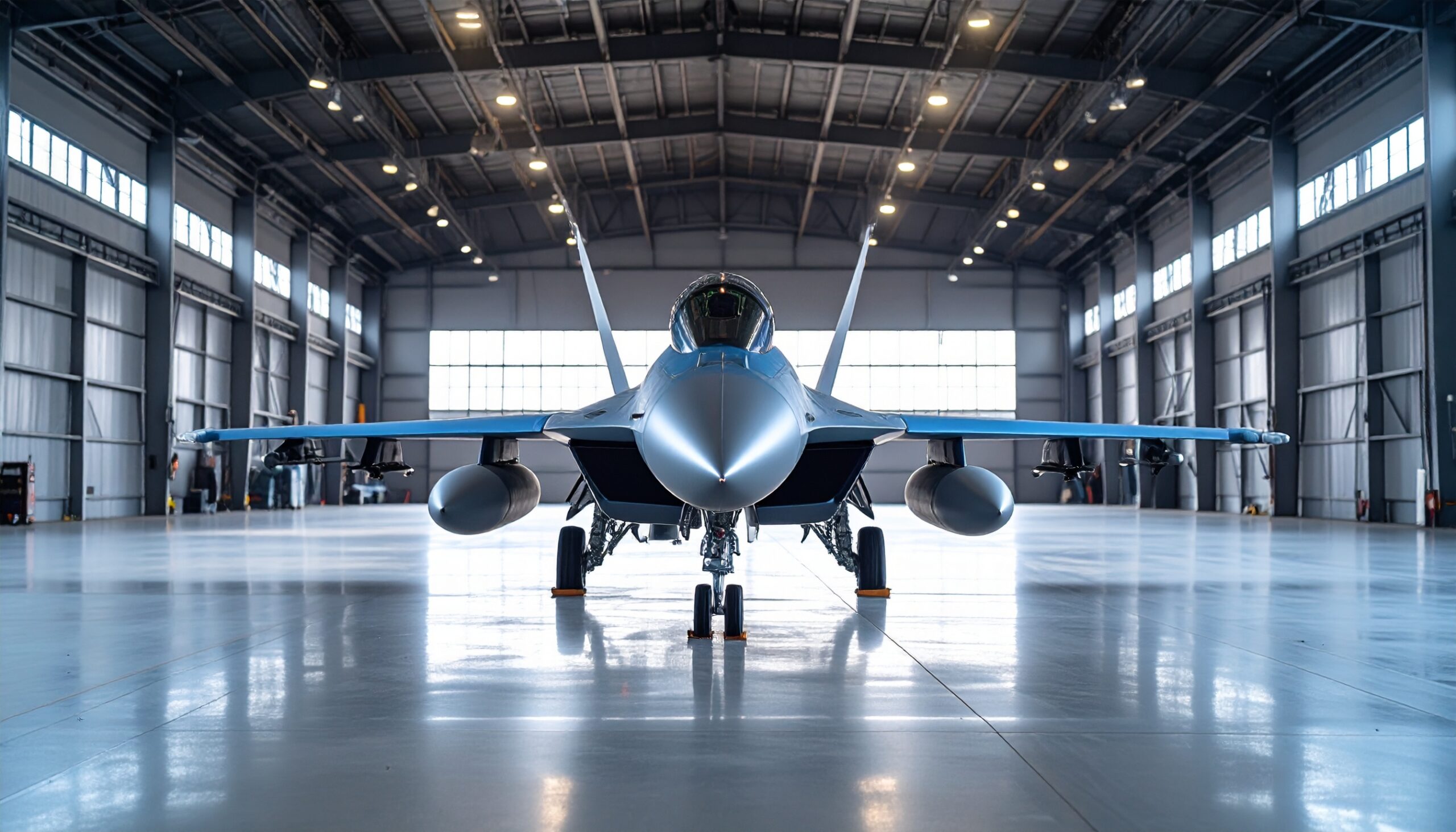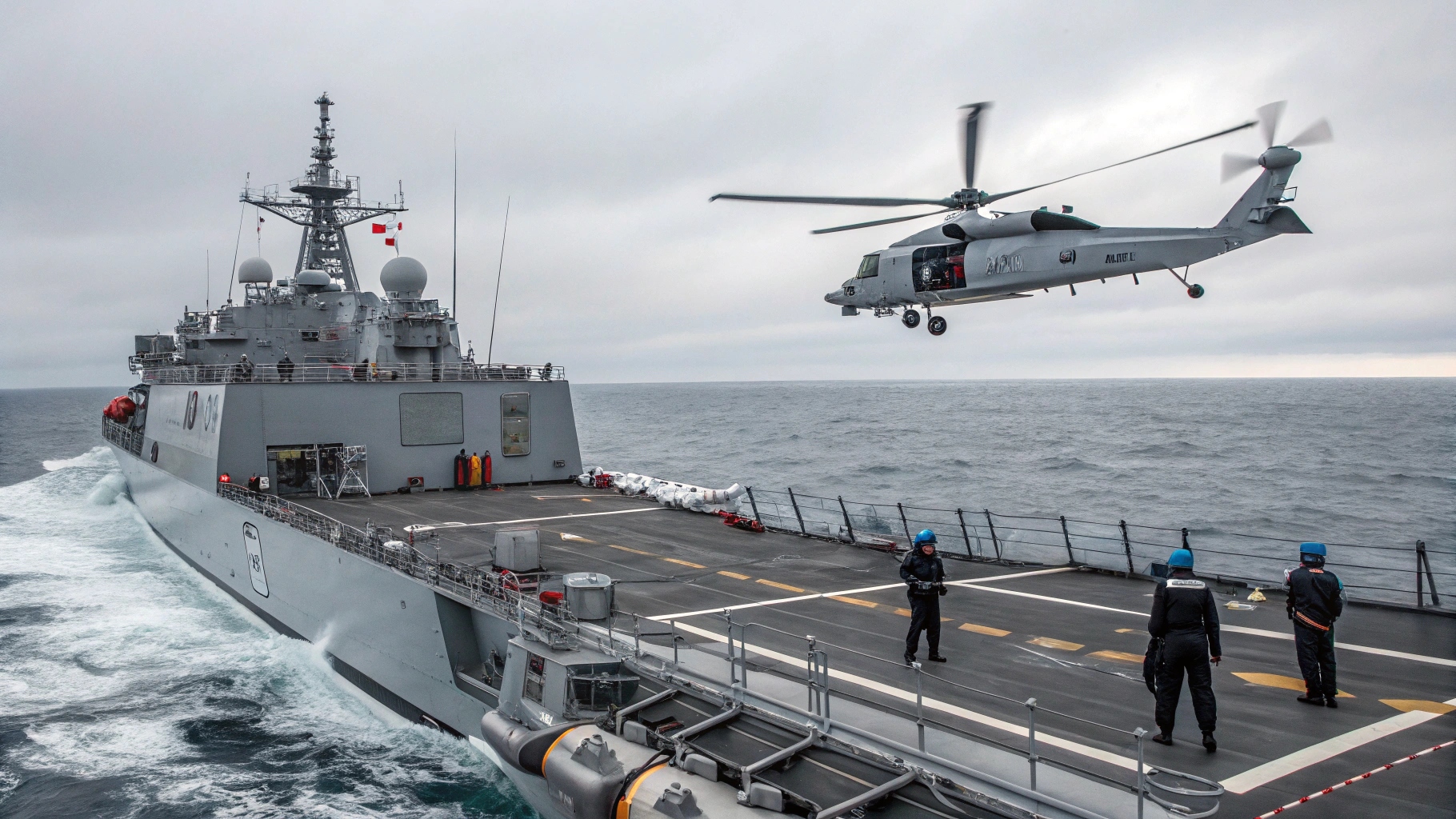
Japan is reportedly preparing to deploy Mitsubishi F-2 fighter aircraft to India for a bilateral air exercise later this month. If confirmed, the deployment would represent a significant development in air-power cooperation between India and Japan. The reported move comes as Japanese Defence Minister Shinjiro Koizumi is scheduled to visit India and Australia from August 17, with defence cooperation expected to feature prominently.
Chinese state media has presented the proposed deployment as part of Japan’s broader strategic competition with China and an effort to strengthen military coordination with India. However, India and Japan have already expanded defence cooperation through increasingly advanced air, maritime and land exercises.
An important distinction is that an F-2 deployment to India would reportedly be the first time Japanese F-2 fighters operate from Indian territory for a bilateral fighter exercise. It would not, however, be the first India-Japan fighter exercise involving the F-2. During Veer Guardian 2023, Japan deployed four F-2s and four F-15s to Hyakuri Air Base, where they trained against four Indian Air Force Su-30MKIs. India’s Ministry of Defence described that event as the countries’ first bilateral fighter aircraft exercise.
A 2026 deployment to India would reverse the direction of that earlier arrangement. Japanese pilots would gain experience operating from Indian bases and within India’s airspace environment. Such training could provide practical exposure to different procedures, logistics, airspace management and climatic conditions.
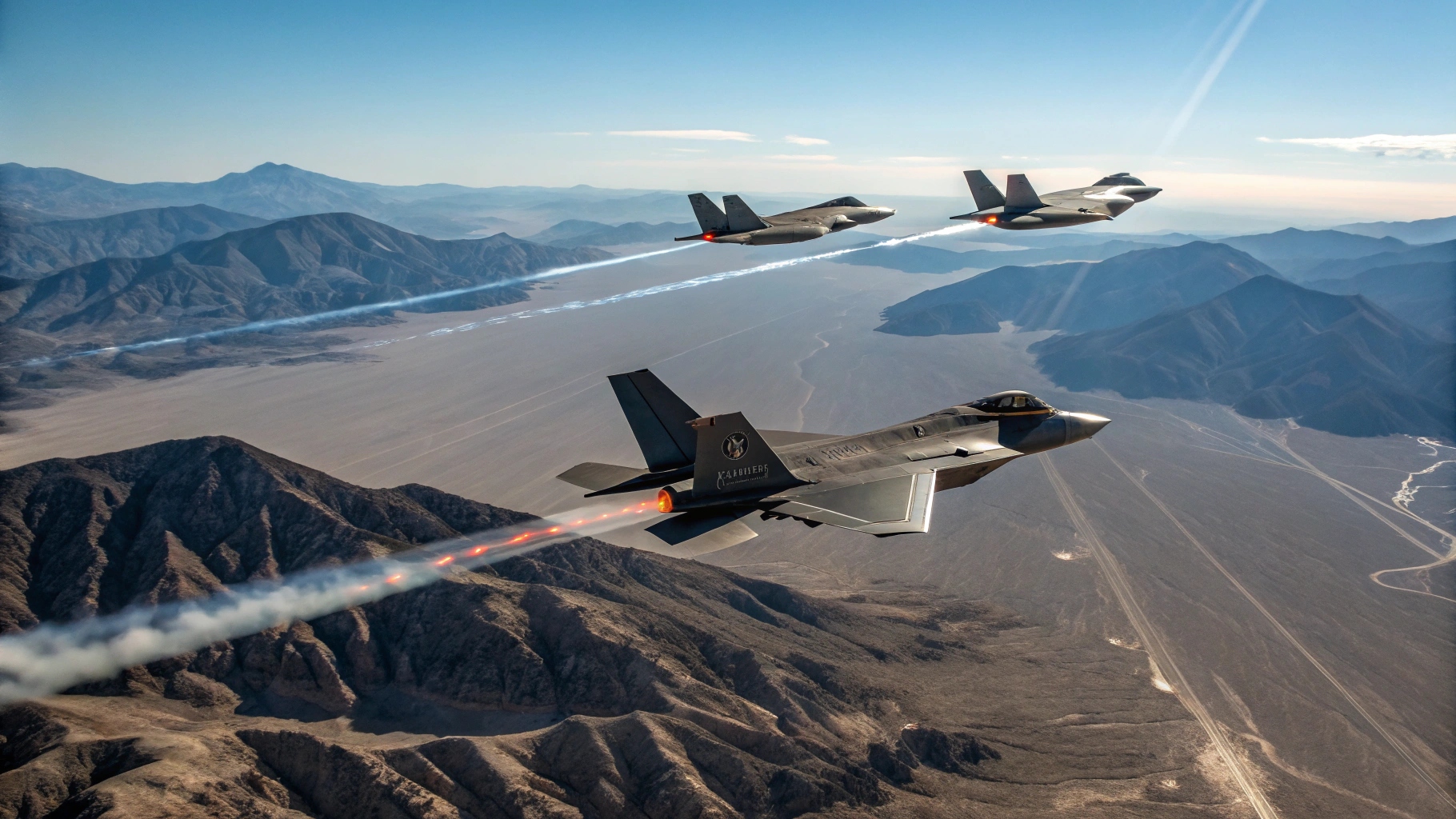
The F-2 is a Japanese-developed multirole fighter derived from the F-16 but substantially modified for Japanese requirements. It has a larger wing, Japanese-developed avionics and an indigenous active electronically scanned array radar.
For India, training against the F-2 would provide another form of dissimilar air-combat experience. The Indian Air Force operates Su-30MKIs, Rafales, Mirage 2000s, Tejas fighters and other platforms. Exposure to different radar characteristics, electronic warfare systems, flight-control approaches and tactics can contribute to pilot preparedness.
The potential deployment also fits the broader expansion of India-Japan defence cooperation. Both countries are members of the Quad with the United States and Australia, and their forces have expanded cooperation across air, maritime and land domains.
Although Chinese commentary has framed the exercise in the context of competition with Beijing, India can view the activity more broadly. The exercise could improve interoperability and operational experience while remaining consistent with India’s approach of strategic autonomy and partnerships without a formal military alliance.