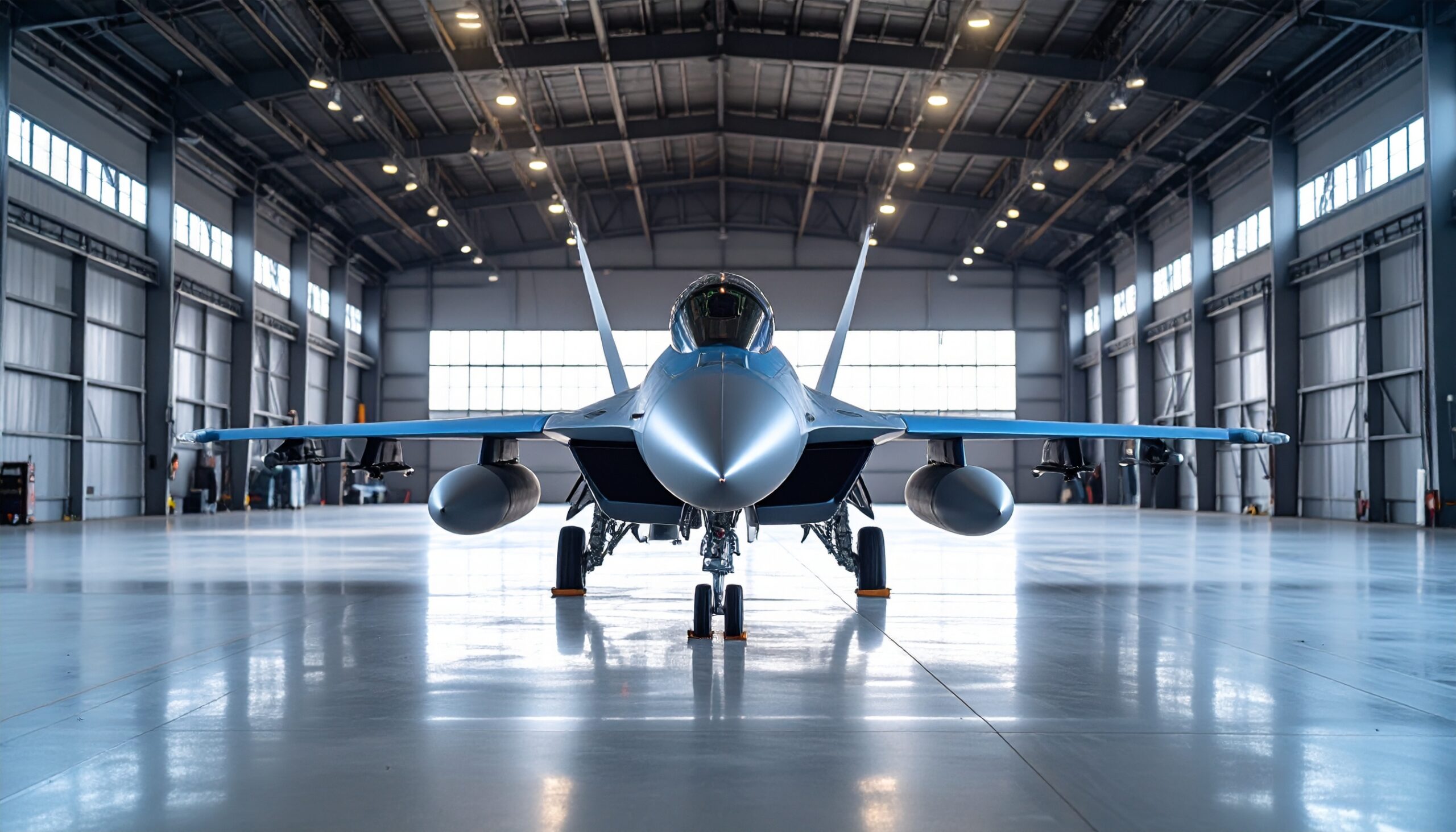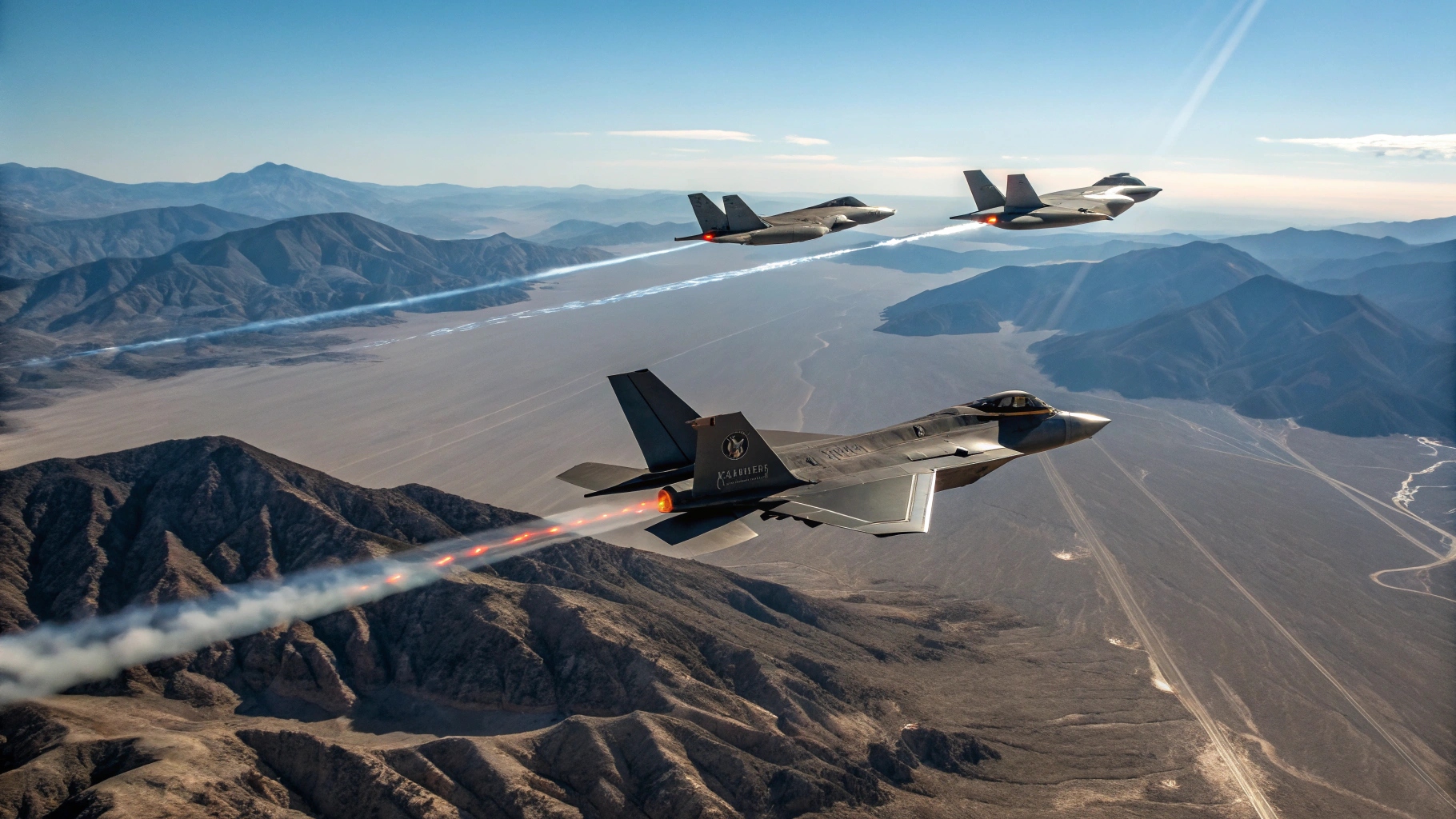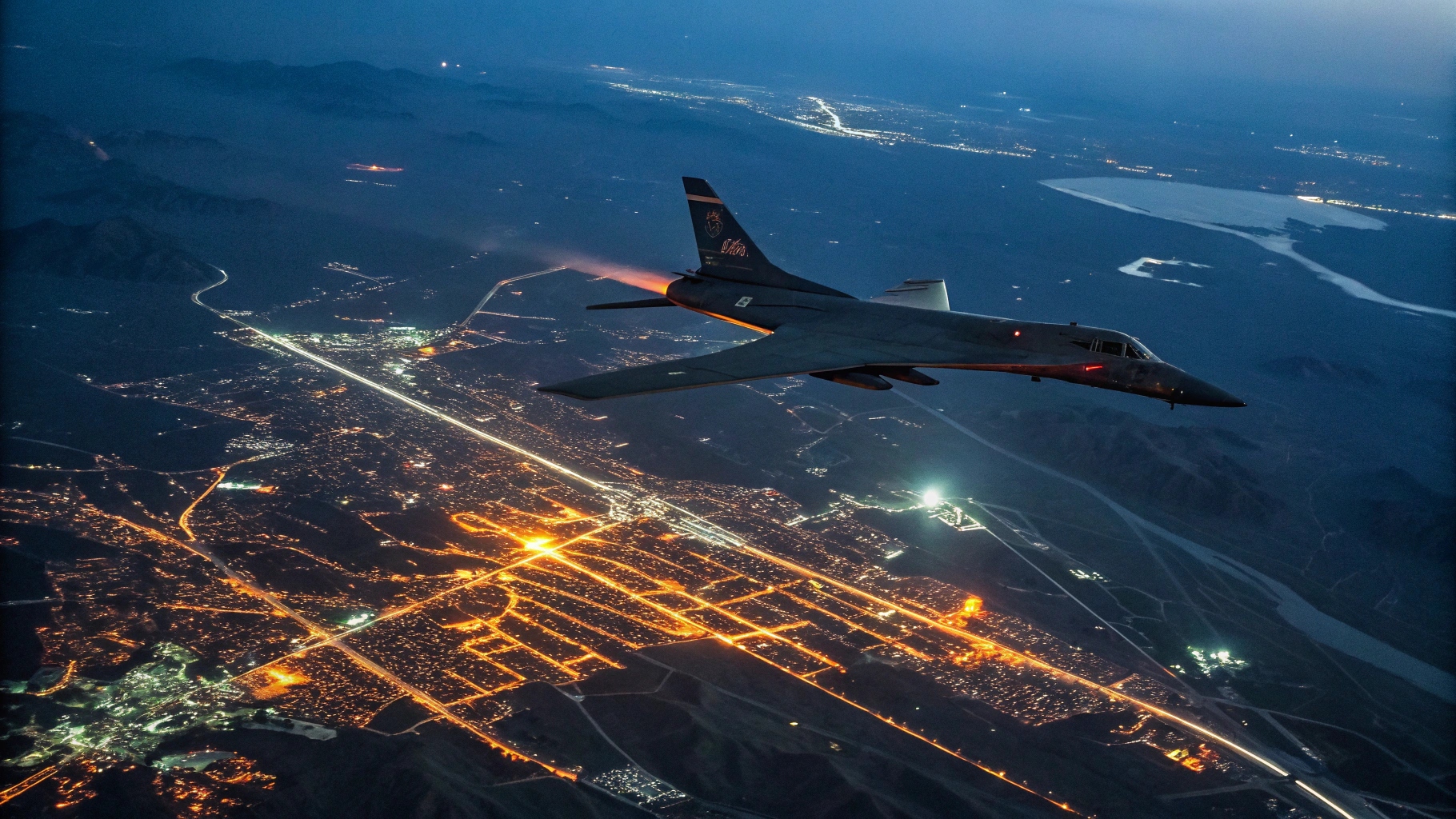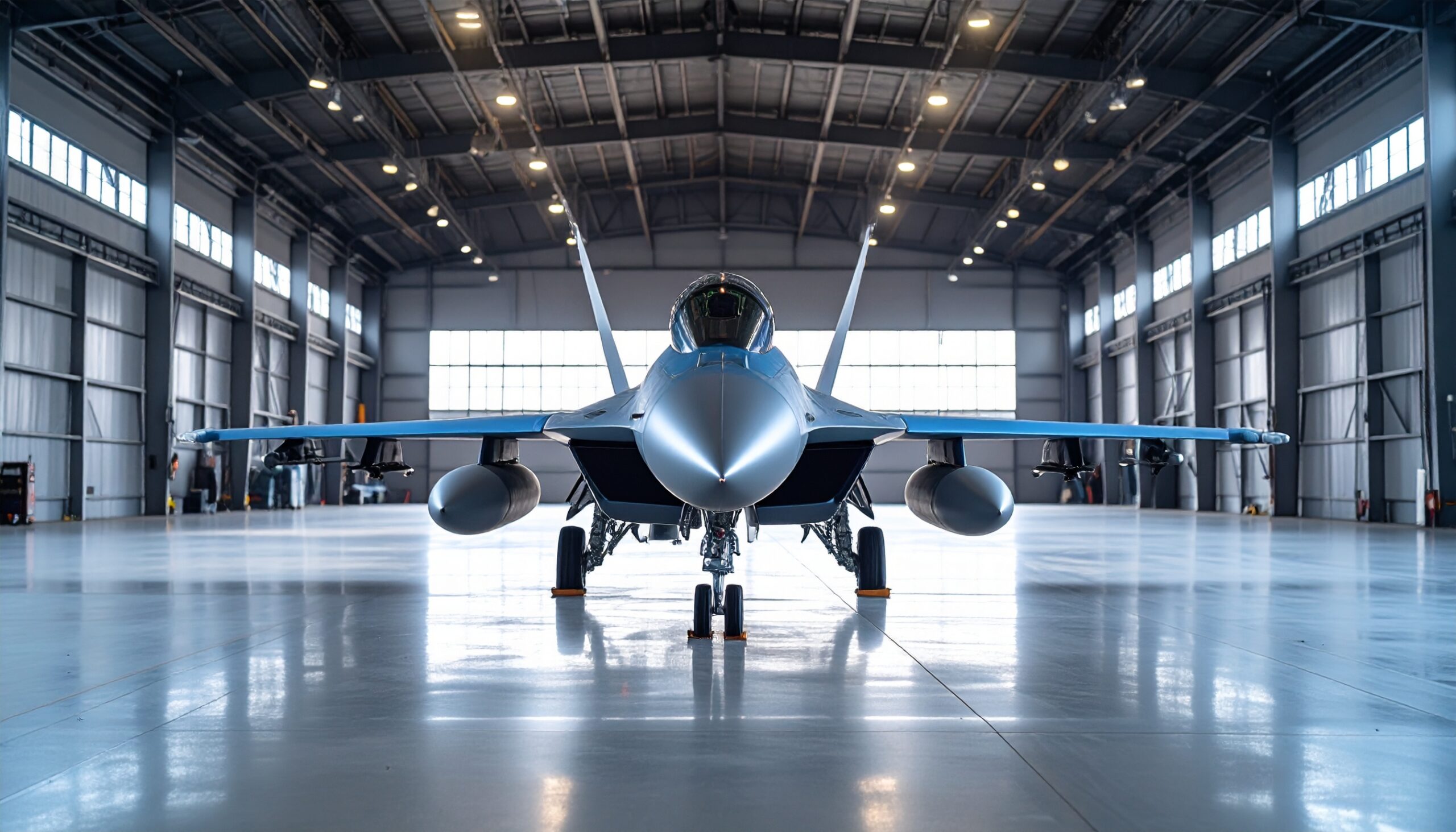
India’s Advanced Medium Combat Aircraft (AMCA) programme has entered a critical phase after three private-sector contenders submitted proposals for the development of prototypes of the country’s planned fifth-generation stealth fighter. The government-funded project is valued at approximately ₹15,000 crore and is being managed by the Aeronautical Development Agency (ADA). The proposals have been submitted to ADA, which will evaluate them before selecting an industrial partner for prototype construction. The competing groups include Tata Advanced Systems Limited (TASL), an L&T-led consortium partnered with Bharat Electronics Limited (BEL), and a Bharat Forge-led consortium that includes Bharat Earth Movers Limited (BEML). Final bid documentation and subsequent government announcements will establish the participating companies and their respective responsibilities. The selected partner will work with ADA, which operates under the Defence Research and Development Organisation (DRDO), to manufacture five AMCA prototypes. Development activities are expected to take place at a new aerospace facility being established near Puttaparthi in Andhra Pradesh, where aircraft assembly, integration, and testing will be conducted. The competition marks a significant departure from India’s traditional military aircraft development model, which has generally relied on Hindustan Aeronautics Limited (HAL) for prototype manufacturing. Under the new approach, ADA will retain responsibility for aircraft design and technological development, while the selected private-sector company will undertake prototype construction and associated execution activities. The initiative aims to expand private-sector participation and strengthen India’s domestic capabilities in advanced combat aircraft manufacturing. Defence analysts regard the competition as an important development in the country’s efforts to involve private industry in strategically important aerospace programmes. The AMCA is being designed as a twin-engine, fifth-generation multirole fighter for the Indian Air Force. Planned features include low-observable characteristics, internal weapons bays, advanced sensor suites, network-centric combat systems, sophisticated sensor fusion, and next-generation avionics for operations in highly contested environments. The initial production variant is expected to use General Electric F414 engines, while a later version is planned to receive a more powerful engine developed through an international partnership. These remain developmental objectives rather than operationally validated capabilities. The immediate priority will be to convert the existing design into flying prototypes and validate the aircraft’s systems through extensive ground and flight testing. This process will require coordination across airframe manufacturing, propulsion, avionics, mission systems, software, weapons integration, and flight-test infrastructure. Prototype construction is only one stage of the wider development programme. The aircraft must subsequently complete testing, certification, and performance evaluations before full-scale production or operational induction can be considered. The bidding process follows the Ministry of Defence’s issuance of a Request for Proposal to the three shortlisted groups in May 2026. Further steps will include technical and commercial evaluations, selection of a preferred bidder, and final contract negotiations. Reports indicate that the government is targeting the first AMCA prototype flight in 2028–29, although some broader industry projections refer to the early 2030s. The eventual schedule will depend on contractor selection, development progress, and flight-test results. The Indian Air Force views the AMCA as a future cornerstone of its combat aviation fleet, intended to strengthen domestic air-power capabilities and reduce dependence on foreign fighter aircraft. For participating companies, the project offers an opportunity to develop advanced aerospace manufacturing expertise and establish a position in one of India’s most ambitious military aviation programmes. Ultimately, success will depend on effective cooperation between industry, ADA, and DRDO, as well as the ability to manage technical risks and deliver an aircraft capable of completing the demanding development and certification process.