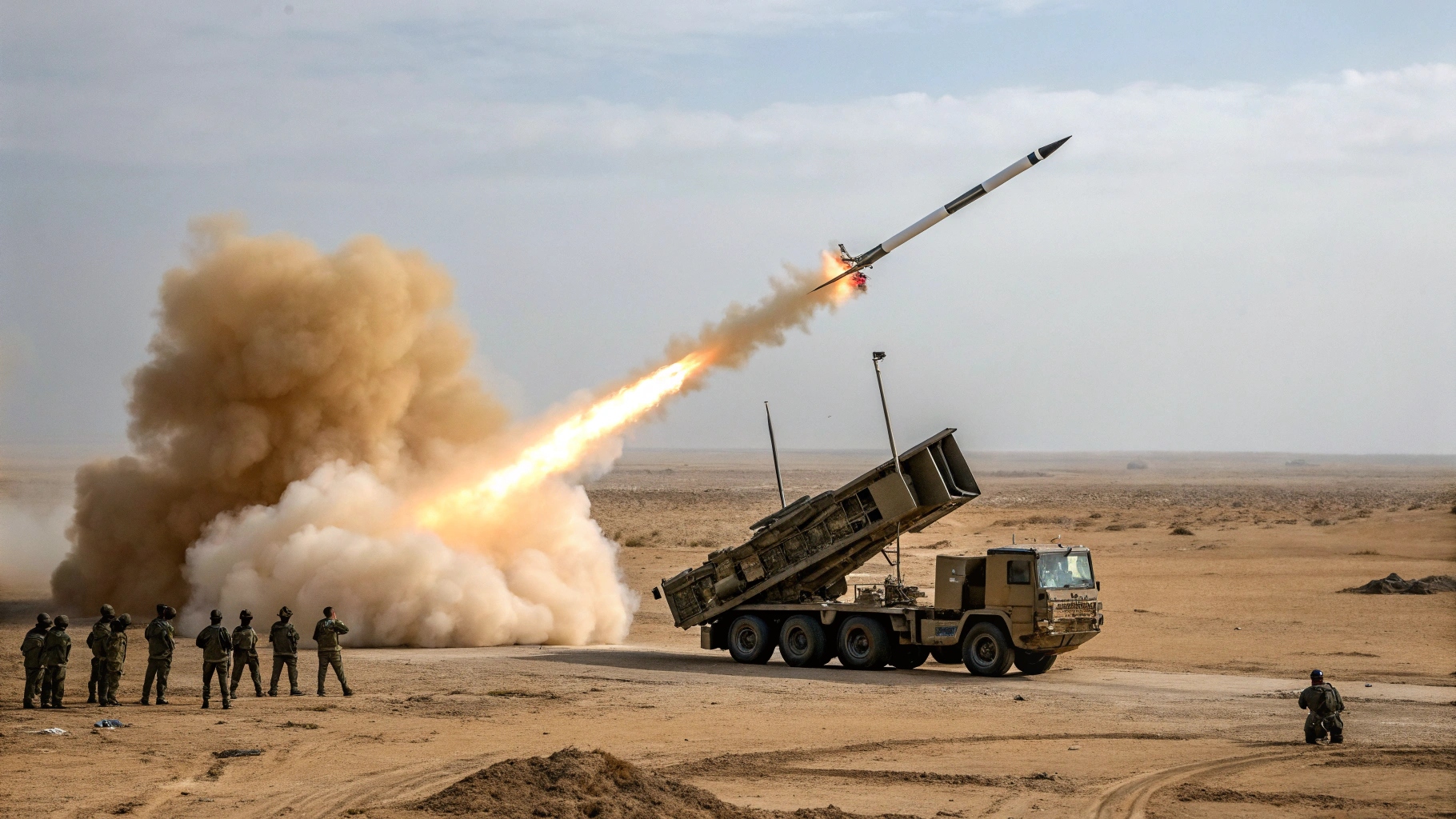
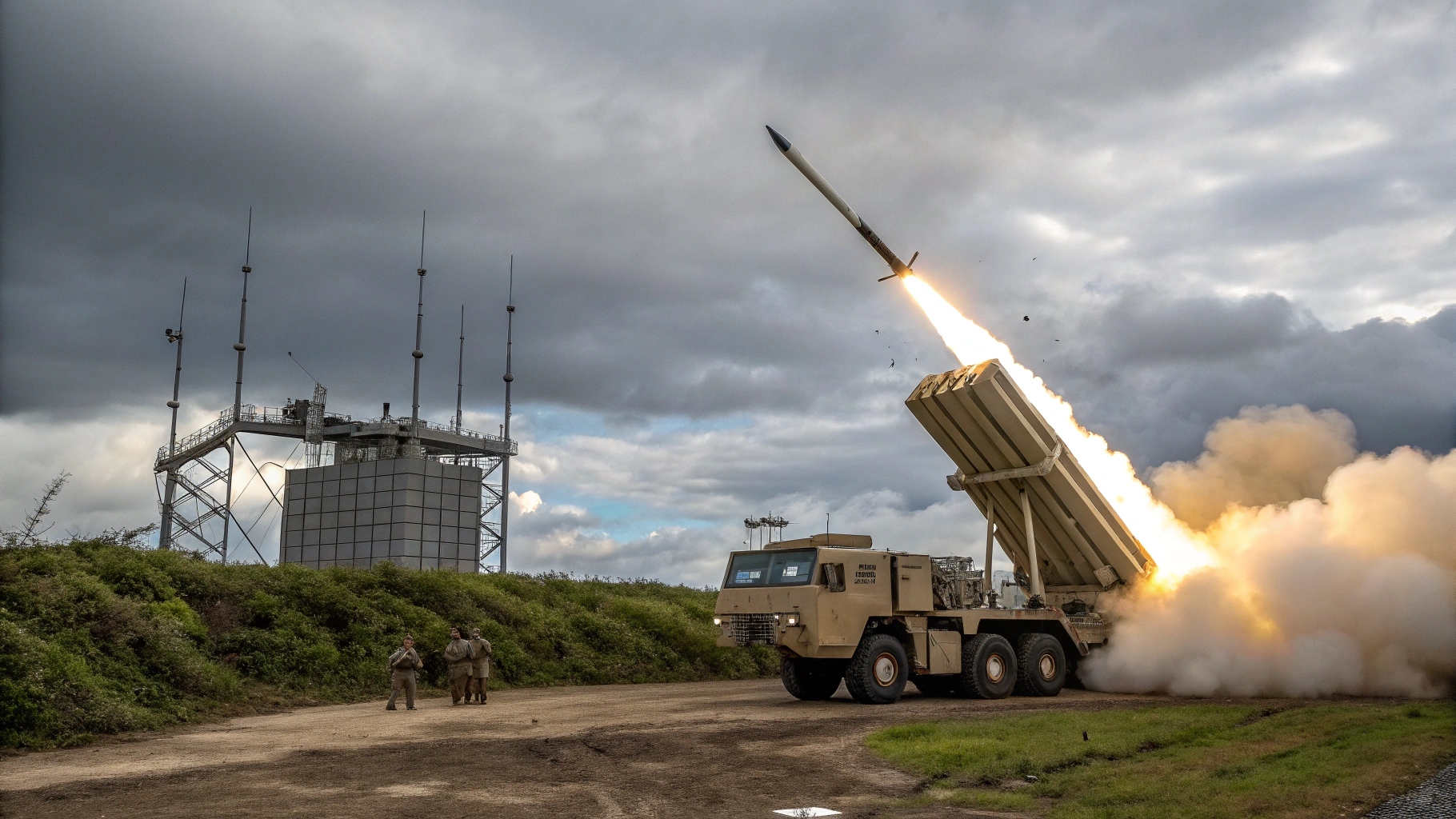
Lockheed Martin has conducted the third flight test of its Joint Reduced Range Rocket (JR3), firing a 24-round salvo of the low-cost HIMARS training rocket equipped with a reusable launch pod at Yuma Proving Ground in Arizona. The test demonstrated the rocket’s range, trajectory, accuracy and marking-payload performance, according to the company. Lockheed is developing JR3 as a potential successor to the Reduced Range Practice Rocket currently used by US Army and international crews operating the M142 HIMARS and M270 launchers. Practice rockets allow launcher crews to conduct live-fire training without expending full-range combat munitions. The JR3 combines a low-cost motor derived from existing rocket motor technology with an adaptable payload. Its 24-round pod and individual launch tubes are designed to be recovered, reloaded and reused, reducing the cost of each training round. The system is also intended to support live-fire exercises on restricted training ranges during both daytime and nighttime conditions. The November test followed a second JR3 demonstration in August, when Lockheed launched the rockets from a HIMARS at Yuma. The programme’s first flight test took place at White Sands Missile Range in September 2025. Meanwhile, Raytheon is developing a competing solution and completed the third flight test of its DeepStrike JR3 at Yuma earlier this month. Its system also uses a recoverable 24-rocket pod, with the company indicating that additional flight tests are planned ahead of qualification. Both companies are competing for the US Army’s programme to replace its existing practice rocket. Lockheed also manufactures the Guided Multiple Launch Rocket System (GMLRS) used by HIMARS and announced this month that it had successfully retargeted a GMLRS round during flight in a separate test.