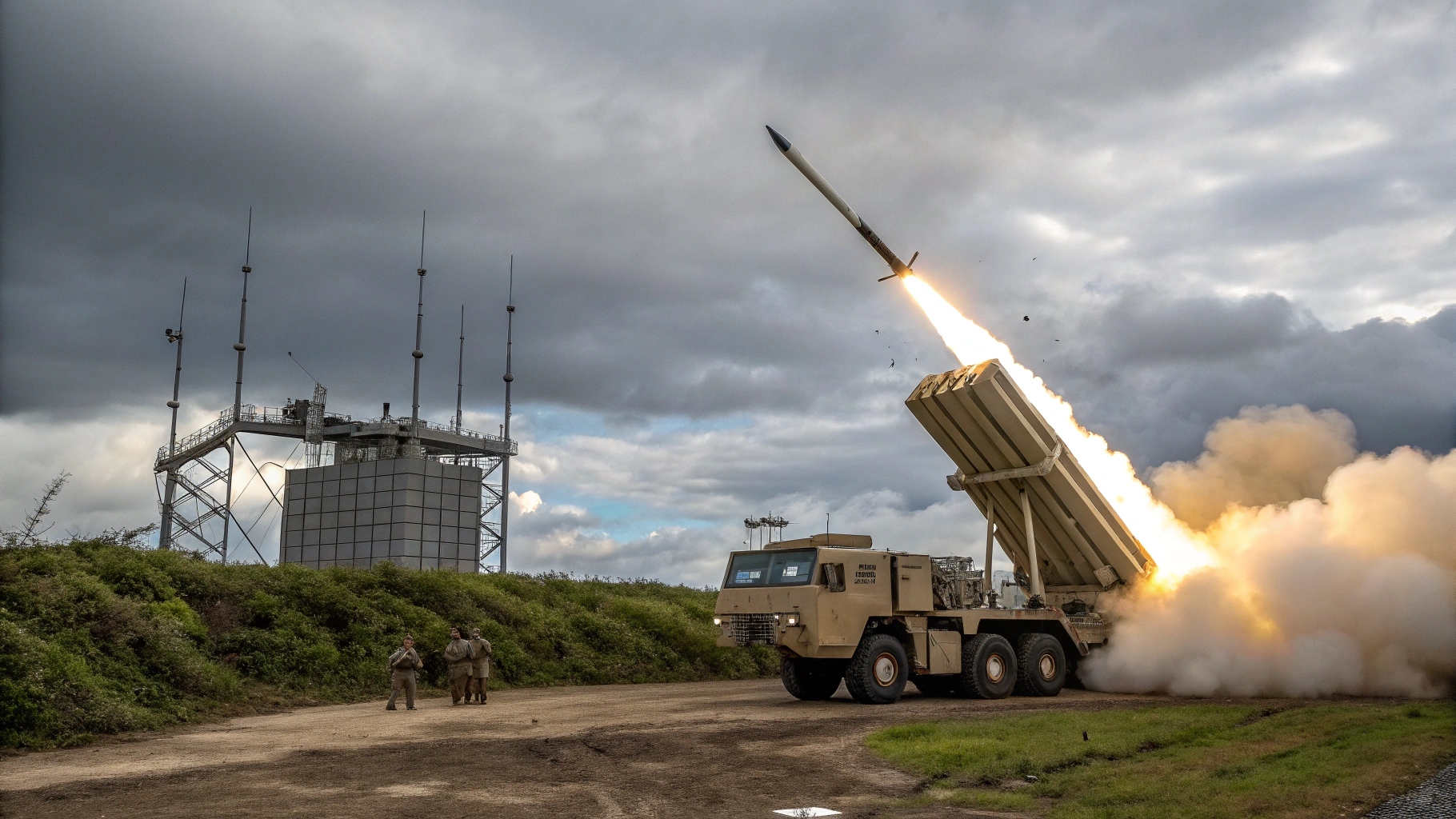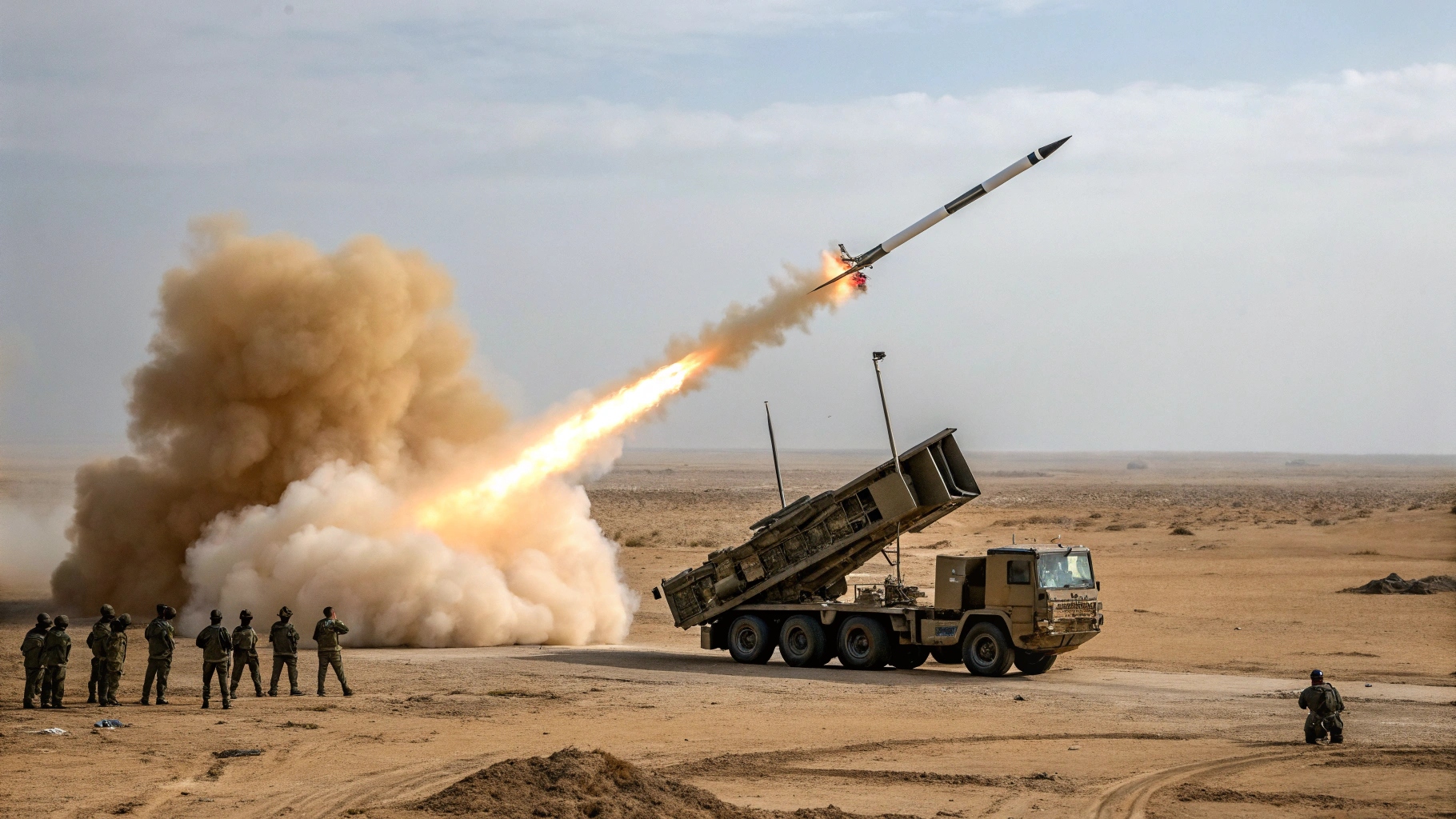
The Armed Forces of the Philippines (AFP) are conducting extensive territorial defence exercises aimed at securing the strategically important Luzon Strait through the deployment of naval forces, air-defence assets and the country’s BrahMos coastal missile systems. The activities form part of this year’s “Dagit, Langit at Lupa” exercise, translated from Tagalog as “Sea, Air and Land”. The exercise began earlier this month across the Philippine archipelago and is scheduled to conclude on Friday. Unlike previous editions, the AFP has directly deployed key territorial defence capabilities, including ground-based anti-ship missile systems and air-defence assets, in strategically important locations. The drills reflect Manila’s growing focus on preparing for potential regional contingencies, including the possibility that a conflict over Taiwan could affect the northern Philippines. Northern Luzon has emerged as a major focus, alongside activities in the South China Sea and around Palawan, where tensions with Beijing remain a concern. Manila has deployed some of its most capable forces to the country’s northern approaches. A major development was the deployment of a Philippine Marine Corps Coastal Defence Regiment BrahMos shore-based anti-ship missile battery during a joint maritime strike activity. Philippine forces had previously rehearsed the use of the Indian-developed supersonic missile system during Balikatan 2026, but this is the first confirmed field deployment of the capability during an operational exercise. The Luzon Strait, located between northern Luzon and Taiwan, is a critical maritime corridor in any potential regional crisis. Concerns about a cross-strait conflict have encouraged Manila to strengthen its deterrence posture across the Batanes island chain, situated between Taiwan and the main Philippine islands. In recent years, bilateral exercises with the United States have increasingly focused on this region. Activities have included deployments of American missile units, Marine Corps reconnaissance and sensing teams, and unmanned surface vessels operating from northern Philippine territory. These initiatives are intended to improve maritime domain awareness and strengthen area-denial capabilities across strategically important sea lanes. The Philippines is also expanding its longer-term military presence in Northern Luzon. Construction and development work is underway at a Marine Corps installation expected to host BrahMos missile systems in the future, further extending the country’s coastal defence network. Cooperation with the United States continues to influence the development of Philippine maritime strike doctrine. Through the Archipelagic Coastal Defence Continuum series of exercises, forward-deployed US Marines are assisting Philippine counterparts in refining targeting procedures, command-and-control arrangements and maritime strike concepts involving BrahMos missiles. One activity conducted in Northern Luzon earlier this year reportedly involved the simulated targeting of a People’s Liberation Army Navy surface action group using Philippine BrahMos systems, demonstrating the growing sophistication of the country’s anti-access and area-denial planning. The increased emphasis on maritime strike capabilities also follows recent Chinese naval activity near Philippine waters. Last month, the People’s Liberation Army Navy aircraft carrier Liaoning and its escorts transited through waters around the Philippine archipelago during regional operations and exercises. Philippine authorities closely monitored the movement. AFP Chief of Staff Gen. Antonio Nafarrete recently indicated that the military plans to expand its missile inventory as part of a broader territorial defence modernisation effort. The objective is to enable Philippine forces to hold potentially hostile naval formations at risk while operating within or near the country’s waters. The exercise also includes activities beyond anti-ship operations. A Philippine Navy transport vessel carried Philippine Air Force surface-to-air missile systems to Northern Luzon, escorted by a frigate that rehearsed defending the transport ship against a simulated air attack. Following arrival, the air-defence systems were deployed at a Northern Luzon Marine base to improve protection for key military infrastructure. Philippine Army units also conducted coastal defence scenarios at selected beaches across Northern Luzon, practising responses to potential amphibious threats. On Fuga Island, special operations forces carried out an amphibious landing and territory-securing mission designed to reinforce control over strategically important terrain overlooking the Luzon Strait. Collectively, the activities highlight Manila’s efforts to strengthen deterrence, improve joint-force integration and establish layered coastal and maritime defence capabilities amid an evolving Western Pacific security environment.