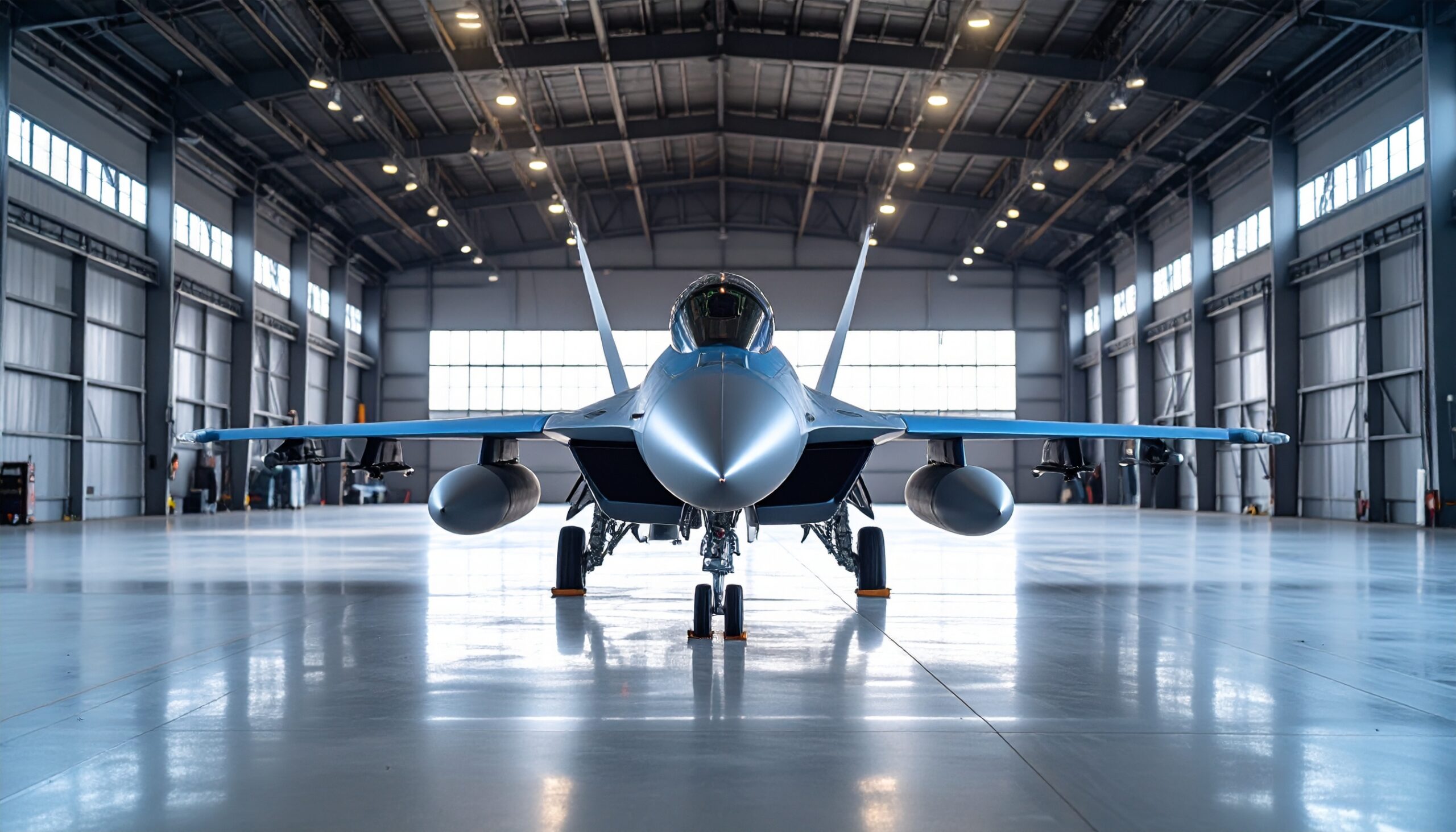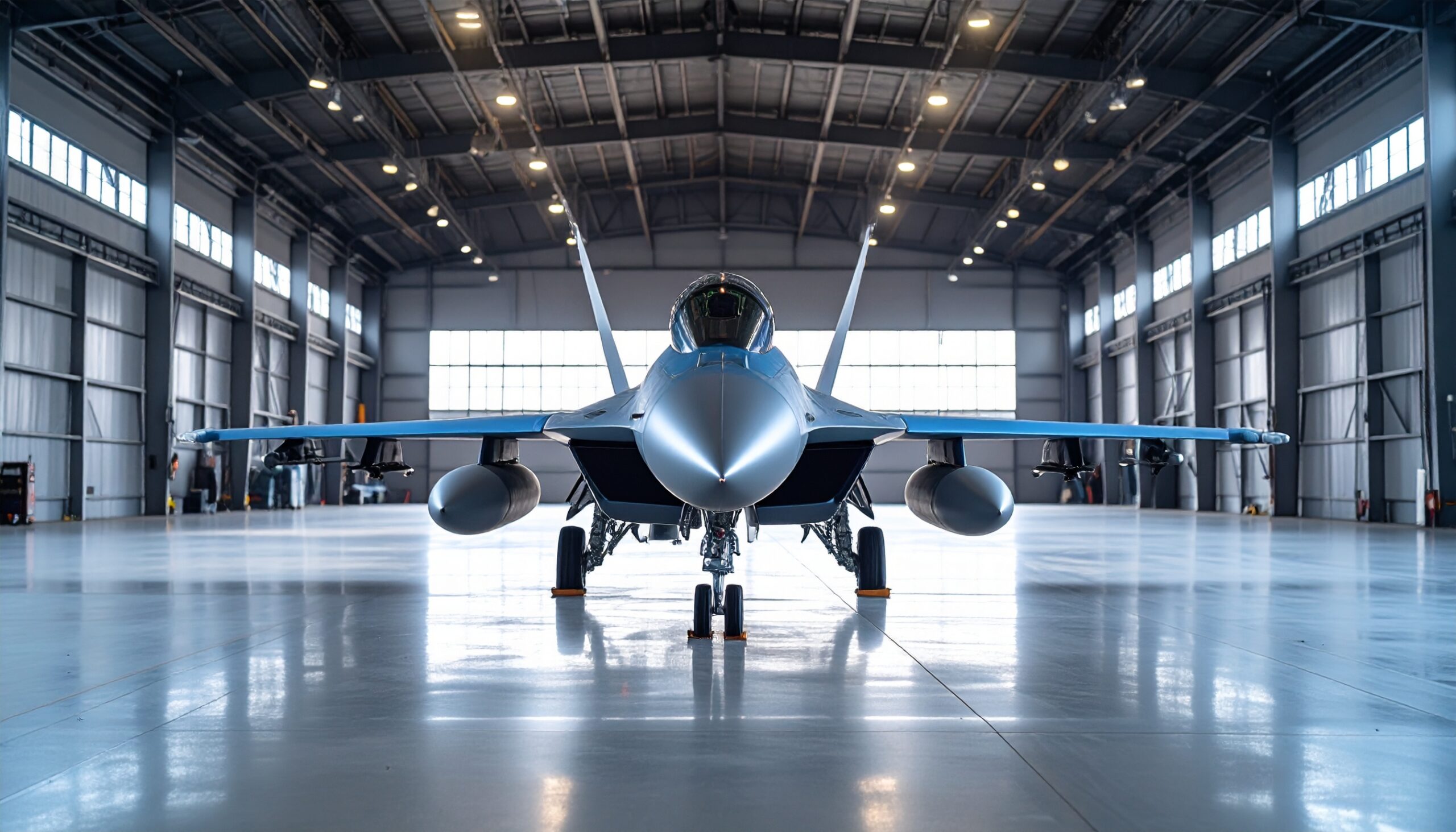
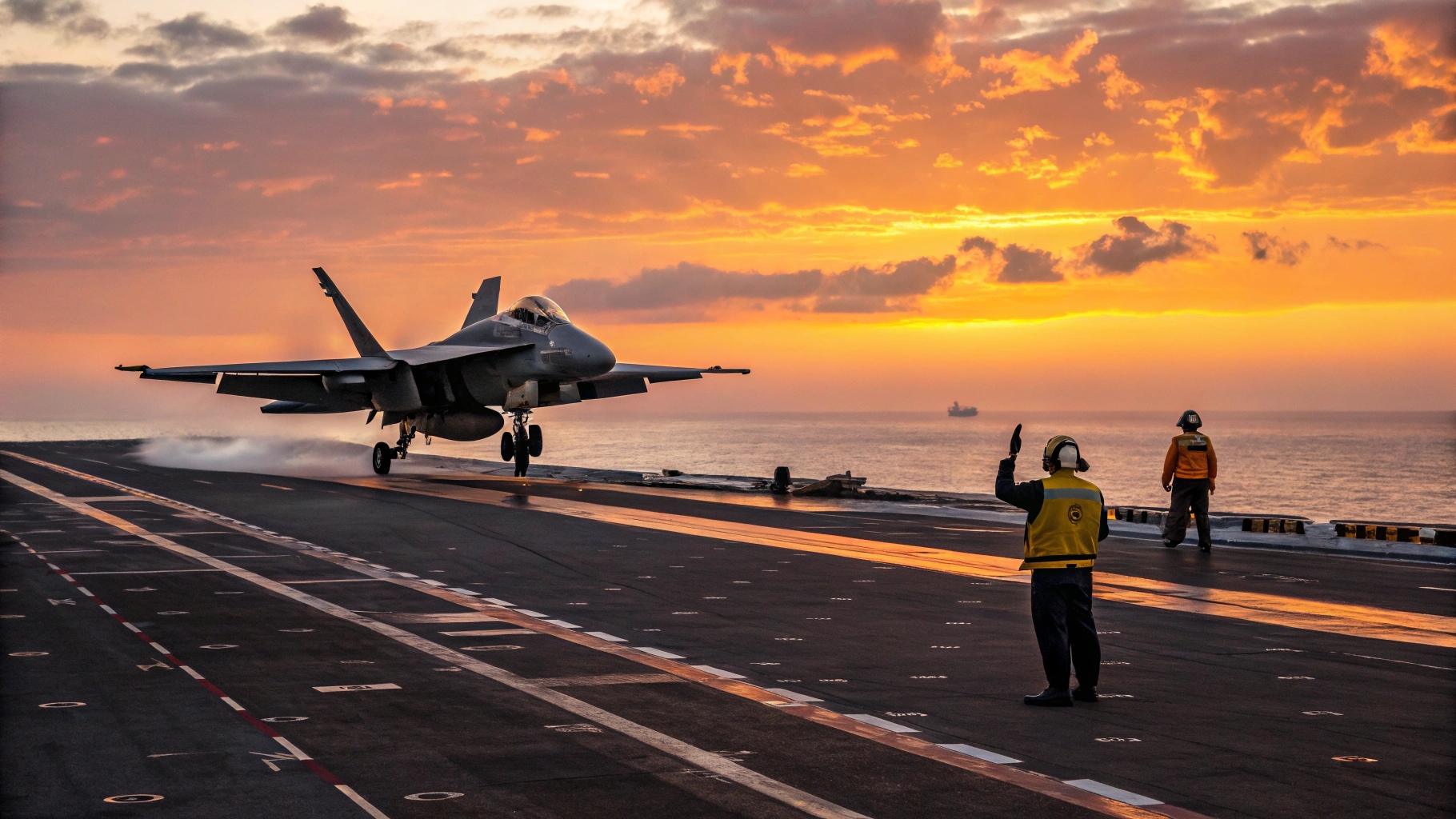
India’s defence manufacturing ecosystem is facing renewed scrutiny as Hindustan Aeronautics Limited (HAL) comes under growing pressure over prolonged delays in delivering TEJAS MK-1A fighters to the Indian Air Force, according to a Livemint report. The issue has drawn particular attention following criticism from a former IAF chief, who questioned the pace of aircraft integration and deliveries at a time when the Air Force is struggling with declining fighter squadron strength. The TEJAS MK-1A is a key component of the IAF’s modernisation programme and was intended to replace retiring MiG-21 fighters through a phased induction process. The original plan envisaged new TEJAS squadrons entering service as older MiG-21 units were withdrawn. However, deliveries have fallen substantially behind schedule. With MiG-21 aircraft being retired faster than replacement fighters are arriving, concerns have increased over the reduction in the number of operational squadrons available to the Air Force. Although HAL has faced much of the criticism, government officials have acknowledged that the problems extend beyond domestic manufacturing facilities and reflect broader structural weaknesses in India’s aerospace and defence supply chains. One of the most significant constraints is the supply of GE F404 engines imported from the United States, described as the “heart of this entire aircraft”. Repeated delays in contracted engine deliveries have directly affected the pace of TEJAS MK-1A production. To reduce disruption, HAL adopted an interim approach of manufacturing aircraft structures and keeping them ready for final assembly until engines became available. The plan was to install the engines after delivery and accelerate aircraft handovers to the IAF. However, the strategy has not produced the expected results. In addition to engine shortages, disruptions affecting other imported aerospace components have created multiple bottlenecks across the production and assembly process. The situation highlights a wider challenge for India’s defence industry. Although the country has demonstrated the ability to design and develop advanced military aviation platforms, expanding production and maintaining dependable industrial supply networks remain difficult. Senior defence officials have also acknowledged that overseas suppliers are not responsible for every shortcoming. The government is examining whether defence public sector undertakings, particularly HAL, have adequate internal production management systems and assembly-line efficiency to meet demanding delivery schedules. In response, the government has introduced corrective measures aimed at improving accountability and strengthening supply-chain resilience. Defence public sector undertakings have been directed to conduct comprehensive supply-chain reviews within three months of receiving orders for defence platforms. The reviews are intended to identify vulnerabilities early, diversify sourcing arrangements and prevent shortages of individual components from delaying major programmes. Performance assessments have also been linked more closely to project execution. From this year, timely delivery will account for 10 marks in the performance evaluation framework for defence public sector undertakings, placing additional pressure on organisations to meet contractual deadlines. The TEJAS MK-1A programme remains essential to the IAF’s future force structure. However, continuing delays have exposed the risks of relying on foreign suppliers for critical components and renewed debate over India’s ability to convert indigenous technological achievements into dependable large-scale manufacturing.